
In an era of rapid digital transformation, the ability to forge strategic alliances is the most critical differentiator for growth. Brands no longer operate in isolation. Instead, they thrive within interconnected ecosystems where media, technology, and audience engagement intersect. Dakdan Worldwide, a leader in media holding and consulting since 1980, has refined a proprietary framework that allows organizations to navigate this complexity with precision. This framework is not just about making connections. It is about building sustainable value through alignment, innovation, and disciplined execution.
Strategic partnerships offer a path to scale that traditional advertising cannot match alone. By leveraging the strengths of complementary organizations, brands can access new demographics, enhance their credibility, and create immersive experiences that resonate deeply with consumers. Whether in sports, entertainment, or the emerging sector of educational simulation, the principles of a successful partnership remain constant. They require a move away from transactional thinking toward a model of mutual growth and shared vision.
The Strategic Foundation of Global Media Alliances
Every successful partnership begins with a clear internal assessment. Before reaching out to potential collaborators, a brand must define its "partner thesis." This involves identifying exactly why a partnership is necessary and what specific gaps it will fill. Is the goal to expand into a new geographic region, or is it to gain access to a specific technology like AI driven analytics? By setting SMART objectives, which are specific, measurable, achievable, realistic, and time based, organizations ensure that every alliance has a clear purpose.
Dakdan Worldwide emphasizes that strategy without execution is noise. Therefore, the foundation must include a plan for governance and communication. Successful global media companies establish clear lines of authority and decision making from the outset. This prevents the friction that often arises when two distinct corporate cultures attempt to collaborate. When both parties understand the financial models, risk factors, and performance metrics, the partnership is built on a bedrock of transparency and trust.

Phase 1: Discovery and Opportunity Mapping
Finding the right partner is a systematic process rather than a stroke of luck. This phase involves mapping the customer journey to identify where users go before and after they interact with a brand. By understanding these touchpoints, organizations can find partners that offer complementary value at the exact moment a consumer needs it. For instance, a sports media company might partner with a transportation marketing firm to engage fans as they travel to a stadium, creating a seamless brand experience from the driveway to the front row.
Opportunity mapping also involves identifying capability gaps. In the fast moving world of media and entertainment, it is often more efficient to partner with a specialized firm than to build a new department from scratch. Dakdan Worldwide utilizes its extensive portfolio of over 100 operating brands to fill these gaps for clients, providing everything from TV production to zoo venue media solutions. The goal is to create a shortlist of potential partners whose values, audience demographics, and business models align with the core strategy.
Phase 2: Designing the Value Exchange and Innovation
Once a potential partner is identified, the focus shifts to designing a mutually beneficial value exchange. This is where creative innovation happens. Partnerships can take many forms, including co-marketing campaigns, co-branded integrations, or long term sponsorships. The key is to ensure that the exchange is balanced. Both parties must contribute something of significant value, whether it is intellectual property, audience access, or technical expertise.

Innovative brands are increasingly looking toward "experience based" partnerships. This involves creating something new that neither brand could achieve alone. In the media sector, this might look like an integrated sports campaign that combines live event branding with mobile device engagement. By focusing on how the partnership solves a problem for the end user, brands can create high impact activations that drive long term loyalty and measurable ROI.
Education Through Simulation: A Next Generation Talent Funnel
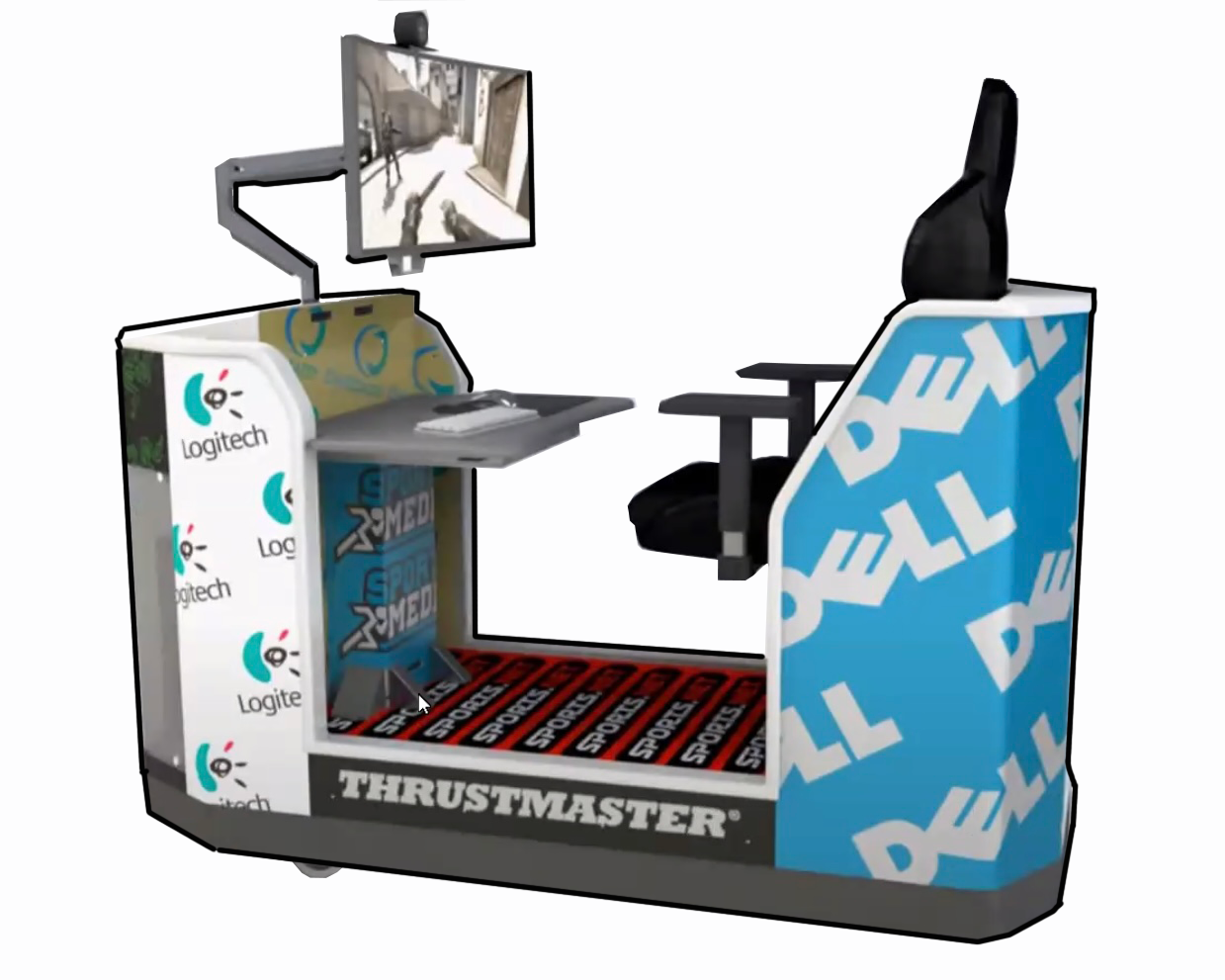
One of the most exciting frontiers in brand partnerships is the intersection of esports and education. Dakdan Worldwide is at the forefront of this movement, specifically through the implementation of esports pods in high schools. These pods are not just gaming stations. They are multi use platforms that include cloud curriculum, streaming studios, and analytics dashboards. This initiative represents a massive opportunity for brands to reach high school students through a lens of workforce development and STEM education.
For a major cloud provider or technology brand, sponsoring these esports pods is a strategic move to build a next generation talent funnel. It moves beyond traditional sponsorship and into the realm of social impact and educational growth. Students learn about AI literacy, data analytics, and content creation while engaging in a medium they love. This creates a powerful narrative for the brand, positioning them as a partner in the student’s future career. It is a perfect example of how the partnership framework can be applied to create value for the brand, the school, and the student simultaneously.
Phase 3: Delivery and Operational Excellence
Execution is the phase where the strategy meets the real world. This requires a dedicated kick-off and a shared roadmap that aligns all stakeholders. Modern media partnerships rely on constant communication and data transparency. By using integrated dashboards and regular review meetings, partners can track KPIs in real time and adjust their tactics as needed. Whether it is stadium signage or a digital out of home (DOOH) campaign, the focus must remain on delivering a consistent and high quality audience experience.
Operating with excellence also means maintaining brand safety and message integrity across all platforms. This is particularly important in global media, where cultural nuances and regional regulations can impact how a brand is perceived. Dakdan Worldwide’s decades of experience in television production and event management ensure that every activation is professional and aligned with the overarching brand goals.
Phase 4: Development and Scaling for Success
The final phase of the framework is continuous development. A partnership should never be static. Successful organizations regularly evaluate their alliances to see what is working and what can be improved. If a pilot program in a specific city shows high engagement, the next logical step is to scale it nationally or even globally. Conversely, if certain elements are not meeting their KPIs, the framework provides the structure to pivot or modify the approach without damaging the relationship.
Scaling for success often involves expanding the scope of the partnership. As trust grows between two organizations, they can explore new product formats, deeper technical integrations, or joint ventures in new industries. By staying focused on innovation and audience value, brands can turn a single partnership into a cornerstone of their global growth strategy.
Frequently Asked Questions for Brand Partnership Success
What is the most important factor in a brand partnership?
The most critical factor is strategic alignment. Both brands must share similar values and have goals that are mutually beneficial. Without this foundation, even the most creative campaigns will struggle to deliver long term results.
How do we measure the ROI of a media partnership?
Measurement should be tied back to the initial SMART objectives. Common KPIs include audience growth, engagement rates, brand sentiment, and direct revenue generated through the partnership. Data driven dashboards are essential for tracking these metrics.
Why should brands consider sponsoring esports in high schools?
Esports in high schools provide a unique entry point for brands to engage with a younger demographic in an educational setting. It allows brands to support workforce development, STEM skills, and a path toward high tech careers, creating a positive and lasting brand association.
What is the role of simulation in modern brand strategy?
Simulation allows for education and training in a risk free, highly engaging environment. For brands, this offers a way to demonstrate their technology and expertise while providing tangible value to the user, whether in a school or a professional training setting.
Join the Future of Global Media with Dakdan Worldwide
As the media landscape continues to evolve, Dakdan Worldwide remains committed to providing the strategic guidance and execution excellence needed for global success. From sports and entertainment to education and simulation, our proven framework helps brands navigate complexity and achieve measurable growth. We invite organizations to explore the vast opportunities within our ecosystem and discover how a strategic partnership can transform their business.
Want more insights like this? Subscribe at dakdan.com.
Questions or partnerships? Call our team at +1 (970) 578-4652.
Dan Kost, CEO
Dakdan Worldwide
If this helped you, please comment, subscribe, and share.
Connect with us:
LinkedIn | Facebook | Instagram | X
#Motivation #Branding #Strategy #Marketing #AdvertisingAndMarketing #digitalmarketing #Innovation #Sports #Esports #WorkforceDevelopment #STEM #Education