
As we navigate through 2026, the world of media has transformed into an intricate web of digital content, live streams, and interactive simulations. For businesses and educational institutions, managing this explosion of data is no longer just a technical necessity. It is a strategic advantage. Media Asset Management, or MAM, has evolved from a simple filing system into the heartbeat of global media holdings. At Dakdan Worldwide, we have seen this shift firsthand while managing over $6.7 billion in media assets.
Whether you are a marketing manager at a large enterprise or an administrator looking to bring high tech simulation to a high school, understanding MAM is the key to unlocking new revenue streams and educational milestones. This guide will walk you through the essentials of media asset management in 2026, with a special focus on how it powers the next generation of esports and educational simulation.
What is Media Asset Management in 2026?
In the simplest terms, Media Asset Management is a system that allows you to store, organize, and retrieve your digital media files. But today, it is so much more than a digital library. A modern MAM system integrates artificial intelligence to tag footage, manage complex licensing rights, and distribute content across dozens of platforms simultaneously.
For a company like Dakdan Worldwide, MAM is the backbone of our creative production and consulting services. When you are dealing with TV shows, live sports events, and global advertising campaigns, you need to know exactly where your assets are and who has the right to use them. In 2026, MAM systems are cloud-native, allowing teams from Colorado to Singapore to collaborate on the same video file in real time.
Powering Education Through Simulation
One of the most exciting applications of MAM today is in the field of education. Specifically, we are seeing a massive surge in the use of esports pods in high schools. These pods are not just for gaming. They are sophisticated simulation environments where students learn everything from digital production to strategic thinking.
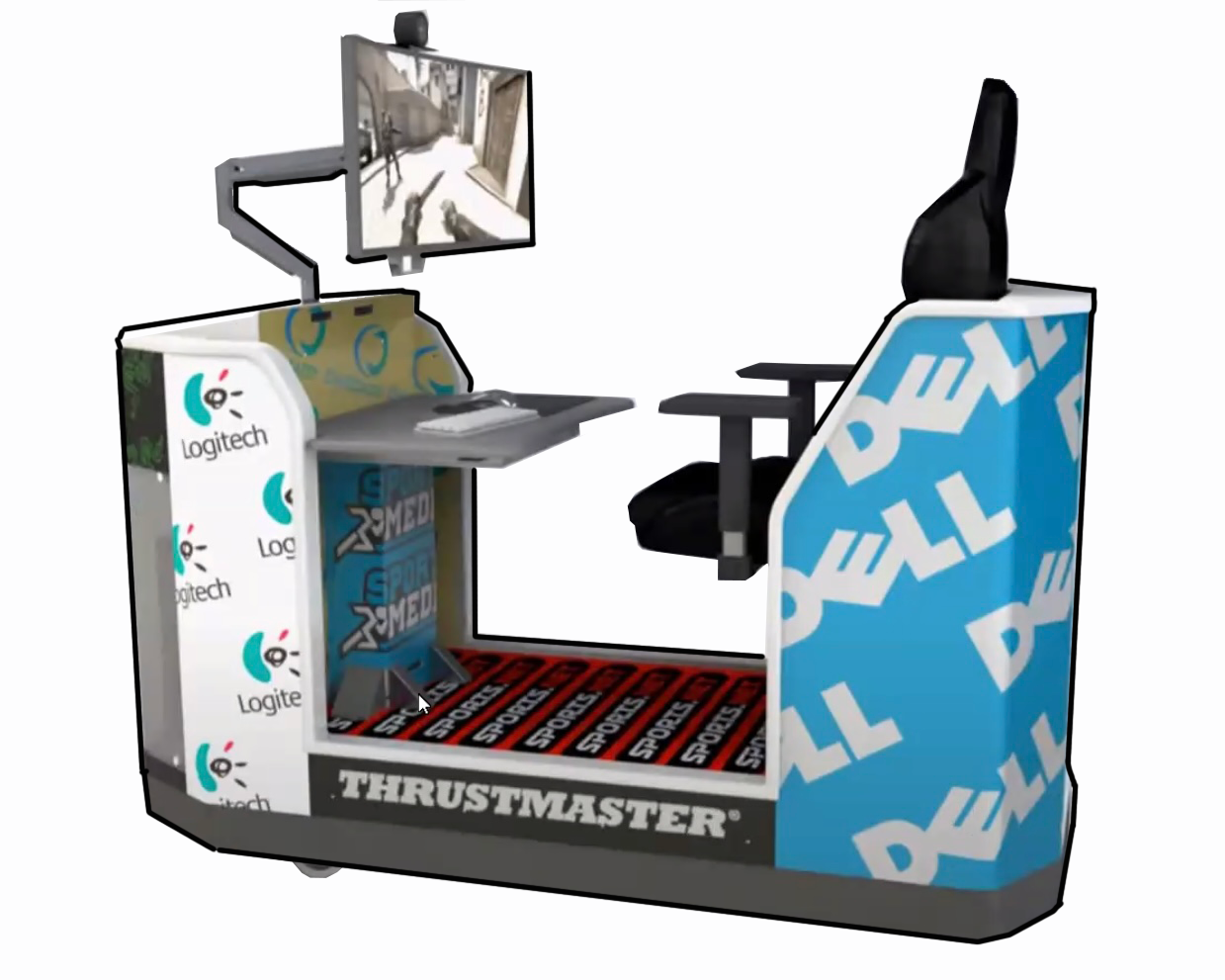
These esports pods generate a massive amount of data. Every match, every training session, and every digital broadcast creates new media assets. This is where MAM becomes critical for schools. By using a centralized asset management system, schools can:
- Archive student performances for later review and coaching.
- Create highlight reels to promote the school’s programs.
- Manage the digital branding of sponsors within the simulation environment.
- Provide students with real world experience in media management, preparing them for careers in the booming media industry.
Education through simulation is about more than just the software. It is about the ecosystem that supports it. By integrating MAM into these programs, schools are teaching students how to handle the professional workflows used by major media houses.
Sponsorship Opportunities and Brand Integration
For brands, the rise of esports and venue-specific media creates a goldmine of sponsorship opportunities. But managing these partnerships requires precision. When a brand like a major tech company or a local retailer wants to sponsor an esports tournament or a zoo exhibit, they need to know their assets are being used correctly.
MAM systems allow for dynamic brand placement. Instead of static logos, we can now swap out digital assets in real time based on the audience or the location. At Dakdan Worldwide, we help our clients maximize their sponsorship activation by using data-driven asset management.
Imagine a high school esports tournament where the digital banners inside the game change to show a local restaurant’s special offer during the lunch hour. This level of targeted advertising is only possible when your media assets are organized, tagged, and ready to be deployed at a moment's notice.

Key Components of a Successful MAM Strategy
To succeed in 2026, your MAM strategy should focus on four main pillars:
1. Artificial Intelligence and Automation
The days of manually entering metadata are over. Modern MAM systems use AI to recognize faces, objects, and even emotions within video files. This makes searching for a specific clip of a "goal scored in a stadium" or "student presenting a project" instantaneous.
2. Cloud-Native Workflows
Your assets need to be accessible from anywhere. Whether your team is working from home or at a live event venue, a cloud-based MAM ensures that the latest version of an asset is always available. This reduces the risk of using outdated branding or losing files on local hard drives.
3. Integrated Rights Management
With the complexity of global media, knowing your usage rights is vital. A good MAM system will alert you if an asset's license is about to expire or if it is restricted to a certain geographic region. This protects your organization from legal issues and ensures compliance.
4. Multi-Platform Distribution
In 2026, content is consumed on phones, tablets, VR headsets, and stadium screens. Your MAM should be able to automatically reformat and distribute your assets to all these channels with a single click.
Why Consulting Matters
Setting up a MAM system is a big step, but having the right strategy is even more important. This is why many organizations turn to experts like Dakdan Worldwide for consulting services. We don't just provide the tools. We help you build the workflows that turn your media assets into revenue-generating powerhouses.
From organizing massive archives for sports leagues to setting up brand-new media programs for high schools, the right consulting can save years of trial and error. We look at the big picture, including how your media assets integrate with your overall marketing, branding, and financial goals.

The Future of Brand-Owned Content
We are moving into an era where every company is a media company. Whether you are in insurance, real estate, or retail, you are likely producing video content to reach your customers. Managing this content is the difference between a cluttered folder of files and a valuable asset library.
Brand-owned television and streaming are becoming the norm. By controlling your own distribution and your own media assets, you remove the middleman and build a direct relationship with your audience. This shift is particularly powerful in niche markets, such as zoological documentaries or specialized sports leagues.
Final Thoughts on Succeeding in 2026
The landscape of media asset management is constantly shifting, but the core principle remains the same. It is about organization, accessibility, and monetization. By investing in a robust MAM system and the right strategic partners, you can turn your digital content into a formidable tool for growth.
High schools and educational institutions have a unique opportunity to lead the way by adopting these technologies early. Through esports pods and simulation-based learning, they are not only engaging students but also creating valuable media ecosystems that attract sponsors and community support.

If you are ready to take your media strategy to the next level, Dakdan Worldwide is here to help. With decades of experience and a proven track record in media and consulting, we have the expertise to guide you through the complexities of the modern digital world.
Contact Us Today
Ready to learn more about our media solutions, esports pods, or consulting services? Reach out to our team.
- Website: dakdan.com
- Landing Page: pledge.dakdan.com
- Email: info@dakdan.com
- Phone: +1 (970) 578-4652
- Location: Colorado, USA
Follow Us on Social Media
Stay updated with the latest news and insights from Dakdan Worldwide: