
FOR IMMEDIATE RELEASE
Colorado, USA – The inbox is full. Another day, another dozen press releases promising "revolutionary" solutions, "game-changing" announcements, and "unprecedented" growth. Most get deleted within seconds. Yet some companies consistently break through the noise, landing coverage while competitors struggle for attention. What's their secret?
It's not what you think.
The Frequency Fallacy
Here's the uncomfortable truth: 83% of journalists rely on press releases as story sources, but they're not looking for your daily updates. They're hunting for actual news.
The companies dominating their industries aren't the ones sending releases every single day. They're the ones who've cracked the code on strategic automation – using intelligent systems to identify when they actually have something worth saying, then amplifying that message across every channel that matters.
Daily press releases aren't just ineffective. They're actively harmful. Each non-newsworthy release trains journalists to ignore your future announcements. You're essentially building your own spam filter.

What Autopilot Systems Actually Do
Let's clear up a massive misconception. Autopilot systems for press releases aren't about scheduling generic announcements every morning at 9 AM. That's not automation. That's just systematized noise.
Real autopilot systems work differently. They monitor multiple data streams – performance metrics, industry trends, competitor movements, seasonal patterns, and audience behavior. When these systems detect genuine newsworthy developments, they trigger a coordinated response across your entire communication infrastructure.
Think of it like this: your company launches a new service. A traditional approach sends one press release to a distribution list and hopes for the best. An autopilot system identifies the announcement, drafts initial content, determines optimal timing based on industry news cycles, segments journalist lists by relevance, prepares supporting materials for different platforms, schedules follow-up touchpoints, and sets tracking parameters for attribution.
The difference? One is broadcasting. The other is orchestrating.
The Multi-Channel Multiplier Effect
Here's where smart companies separate themselves from the pack. They don't think in terms of individual press releases. They think in campaigns.
A major announcement becomes the anchor for a coordinated push across every platform. The press release goes to journalists. Social media teasers build anticipation. Email campaigns reach existing customers. Blog content provides deeper context. Video assets offer visual storytelling. Each channel reinforces the others, creating momentum that single-channel approaches never achieve.

At Dakdan Worldwide, we've seen this play out across sports, entertainment, and advertising sectors. When you integrate press strategies with broader media holdings and consulting frameworks, the impact multiplies. An esports tournament announcement doesn't just hit sports media. It connects with education partners, reaches brand sponsors, engages student communities, and creates content opportunities across multiple properties.
Writing for Humans First, Algorithms Second
AI tools have changed the game, but not in the way most people think. The worst approach is writing press releases specifically to game search engines or AI discovery systems. These read like robot-generated content because, well, that's essentially what they are.
The better approach flips the script. Write for journalists first. Use clear, neutral language. Lead with genuine news. Support claims with credible proof – performance metrics, adoption figures, independent data. Make it easy for a human to quickly grasp why this matters.
When you write for humans, AI systems tend to surface your content naturally. Search engines reward clarity. Distribution platforms favor readability. The technical optimization happens as a byproduct of good storytelling.
The Technology-Services Integration
Modern press strategies require more than communication skills. They demand technical infrastructure. This is where many companies falter. They focus on message crafting while neglecting the systems that deliver, track, and optimize that message.
Smart companies build integrated platforms that connect press functions with broader business operations. Customer relationship management systems feed newsworthy milestones into content pipelines. Analytics platforms identify which messages resonate with which audiences. Attribution models track how press coverage influences business outcomes.
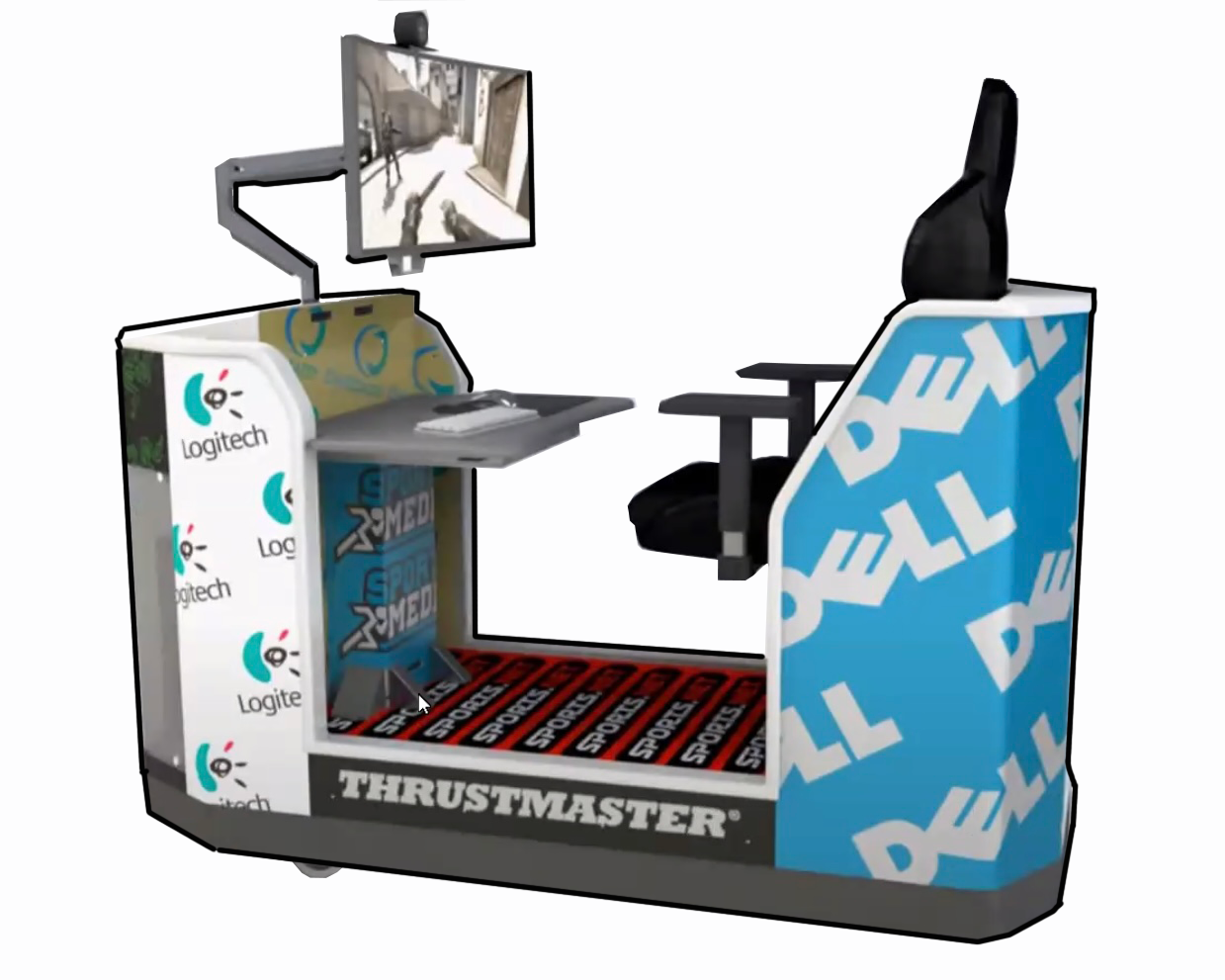
Consider sponsorship activation in sports marketing. A traditional press release announces a new partnership. An integrated system identifies that partnership, generates tiered messaging for different stakeholder groups, coordinates launch timing across partners, activates digital signage components, triggers social amplification, and measures engagement across every touchpoint. The press release becomes one element in a much larger strategic deployment.
Measuring What Actually Matters
Vanity metrics kill press strategies. Opens, clicks, and distribution reach tell you almost nothing about business impact. Smart companies track different indicators.
They measure journalist engagement – not just opens, but response rates, follow-up questions, and eventual coverage. They track audience actions – website visits from press sources, qualified lead generation, conversion attribution. They monitor competitive positioning – share of voice in target publications, message penetration in key markets, thought leadership indicators.

Advanced attribution becomes critical. When a customer converts after seeing press coverage, reading a blog post, watching a video, and attending an event, which touchpoint gets credit? Unsophisticated systems assign 100% to the last touch. Intelligent systems distribute credit across the entire journey, revealing which press strategies actually drive business outcomes.
The Credibility Compound Effect
Here's the part that separates short-term thinking from long-term dominance. Every press interaction either builds or erodes credibility. Companies that blast daily releases drain credibility rapidly. Companies that consistently deliver genuine news build journalist relationships that compound over time.
When you have something actually newsworthy, journalists you've built trust with take your calls. They read your releases thoroughly. They consider your sources credible. They reach out proactively for expert commentary. This credibility becomes a moat that competitors struggle to cross.
Building this requires patience and discipline. It means saying no to releasing non-news. It means investing in relationships during quiet periods. It means supporting journalists with expert access, data resources, and story angles even when you're not the focus.
The Automation Paradox
The most effective autopilot systems require significant human expertise to build and maintain. This creates an interesting paradox. Companies think automation means less work. Actually, strategic automation requires more sophisticated thinking up front, just less repetitive execution later.
You need strategists who understand what makes news newsworthy. Technologists who can build intelligent monitoring and triggering systems. Content specialists who craft compelling narratives. Data analysts who measure real impact. Relationship managers who maintain journalist connections.
The automation handles routine tasks – gathering data, drafting initial versions, monitoring brand mentions, scheduling distribution, tracking results. Humans handle strategic decisions – determining newsworthiness, refining messaging, personalizing outreach, interpreting results, adjusting strategy.
Building Your Press Autopilot System
Start with these foundations. First, define clear criteria for newsworthiness. Not everything deserves a press release. Build specific thresholds – revenue milestones, partnership announcements, product launches, industry recognitions, research findings. If it doesn't meet your criteria, don't release it.
Second, map your communication ecosystem. Identify every channel where your message needs presence. Build connection points between these channels. Create templates and workflows that trigger coordinated deployment when news breaks.
Third, invest in measurement infrastructure. Implement tracking that follows your message from release through coverage to business impact. Build dashboards that surface insights quickly. Create feedback loops that improve future strategies.
Fourth, cultivate journalist relationships actively. Engage with relevant reporters between announcements. Provide value without asking for coverage. Build genuine connections based on mutual benefit.
The Future of Strategic Press
The companies dominating their industries aren't choosing between automation and human expertise. They're combining both. They're not sending daily press releases. They're building intelligent systems that identify genuine news and coordinate strategic responses across every relevant channel.
This approach requires more sophistication than traditional press strategies. It demands technical infrastructure, strategic thinking, and disciplined execution. But the competitive advantage it creates is substantial and difficult to replicate.
Ready to Build Your Strategic Press Advantage?
Dakdan Worldwide helps companies across media, consulting, advertising, entertainment, and sports sectors build integrated communication systems that drive real business outcomes. Whether you're launching an esports education initiative, activating brand partnerships, or scaling entertainment properties, we create strategies that break through.
Let's talk about your communication infrastructure.
Dan Kost
CEO, Dakdan Worldwide
Email: Dan@dakdan.com | info@dakdan.com
Phone: +1 (970) 578-4652 | (970) 436-0580
Website: dakdan.com
Press Room: press.dakdan.com
Contact: dakdan.com/contact
Connect with us: LinkedIn | Twitter | Instagram
About Dakdan Worldwide: A strategic media holding company delivering integrated solutions across consulting, advertising, entertainment, and sports sectors. We build systems that create competitive advantages.
#PressRelease #MediaStrategy #BusinessCommunication #StrategicAutomation #ContentMarketing #DigitalMedia #SportsMarketing #EsportsEducation #BrandStrategy #MarketingInnovation #askdakdan