
Managing media content has become one of the biggest operational challenges for organizations producing video, audio, and multimedia content at scale. Whether you're running a sports franchise, entertainment company, advertising agency, or media holding operation, the sheer volume of digital assets can quickly become overwhelming without the right systems in place.
This is where Media Asset Management (MAM) comes into play. It's not just another piece of software, it's a complete approach to organizing, storing, and distributing your high-value media content from a centralized location. Let's break down everything you need to know about MAM and how it can transform your media operations.
What Exactly Is Media Asset Management?
Media Asset Management refers to both the processes and software systems used to manage video and audio content throughout its entire lifecycle. Born from the film and broadcast industry's need to handle massive rich media files, MAM has evolved into an essential infrastructure component for any organization serious about content production.
Think of MAM as your media library's operating system. It enables your team to store thousands (or millions) of media files in a single, organized repository where everything is easily accessible, searchable, and securely stored. From raw footage to final cuts, every version of your content lives in one place with detailed metadata that makes finding exactly what you need simple and fast.

MAM vs DAM: Understanding the Difference
Here's where things get confusing for a lot of people. You've probably heard about Digital Asset Management (DAM) systems and wondered how they differ from MAM. The distinction matters.
DAM is the broader category focused on organizing and distributing brand and marketing-related assets. Marketing teams typically use DAM to manage logos, product photos, graphics, PDFs, and other static files. It's perfect for brand consistency and marketing workflows.
MAM, on the other hand, specializes specifically in audio and video content for production workflows. It handles time-based media, which requires different capabilities like frame-accurate editing, video transcoding, and massive file size management. Consider MAM a specialized subset within the larger DAM category, built specifically for moving image content.
For media companies, broadcasters, sports organizations, and entertainment ventures, MAM is non-negotiable. You need the specialized tools that understand video workflows, not just general file management.
Core Features That Make MAM Essential
Modern MAM solutions deliver several critical capabilities that transform how media organizations operate:
Centralized Media Storage: Everything lives in one location. No more hunting through multiple drives, cloud accounts, or someone's local machine for that crucial piece of footage. Organized access prevents duplication, reduces storage costs, and eliminates lost assets.
Intelligent Metadata Tagging: Detailed metadata descriptions enable lightning-fast searching and retrieval. Tag assets by project, date, location, subjects, rights information, or any custom field relevant to your workflow. Find what you need in seconds instead of hours.
Automated Workflows: Stop wasting time on repetitive tasks. MAM systems automate transcoding, file organization, version control, and distribution. Set up rules once, and let the system handle the heavy lifting while your team focuses on creative work.
Real-Time Collaboration Tools: Global content creation requires seamless teamwork. MAM provides real-time access to shared media, remote review and approval workflows, comment threads, and granular permission management. Your Colorado team can collaborate effortlessly with partners worldwide.
Security and Compliance: Protect your valuable media assets with user permissions, compliance regulations, audit trails, and secure backups. Know exactly who accessed what content and when.

The Strategic Benefits Your Organization Needs
Implementing MAM delivers measurable improvements across multiple areas:
Enhanced Team Collaboration: When everyone accesses the same centralized repository, collaboration becomes frictionless. Remote teams, freelance contributors, and external partners all work from the same source of truth, eliminating version confusion and miscommunication.
Significant Time and Cost Savings: How much does your organization spend recreating content that already exists somewhere in your archive? MAM streamlines asset retrieval and eliminates duplicate work, directly reducing operational costs and accelerating production timelines.
Consistent Brand Presence: Centralized management ensures consistent asset usage and messaging across all channels. Your sports brand looks the same whether content appears on broadcast, social media, or sponsor materials.
New Revenue Opportunities: MAM enables easy distribution to commercial partners, publishers, and licensing opportunities. Track usage rights, facilitate monetization, and measure ROI of your media assets. Turn your archive into a revenue generator instead of just a cost center.
Built-In Scalability: As your media library grows, MAM solutions scale with your needs. Whether you're managing thousands or millions of assets, the system adapts without requiring complete overhauls.
MAM in Sports and Entertainment: Real-World Applications
For organizations operating in sports, entertainment, and media, MAM solves specific pain points that directly impact revenue and operations.
Consider a sports franchise producing daily content across multiple platforms. Game footage, player interviews, behind-the-scenes content, sponsor activations, and promotional materials all need immediate accessibility. MAM ensures your content team can quickly pull highlight reels for social media, your sales team can access sponsor integration examples, and your broadcast partners receive game footage on deadline.
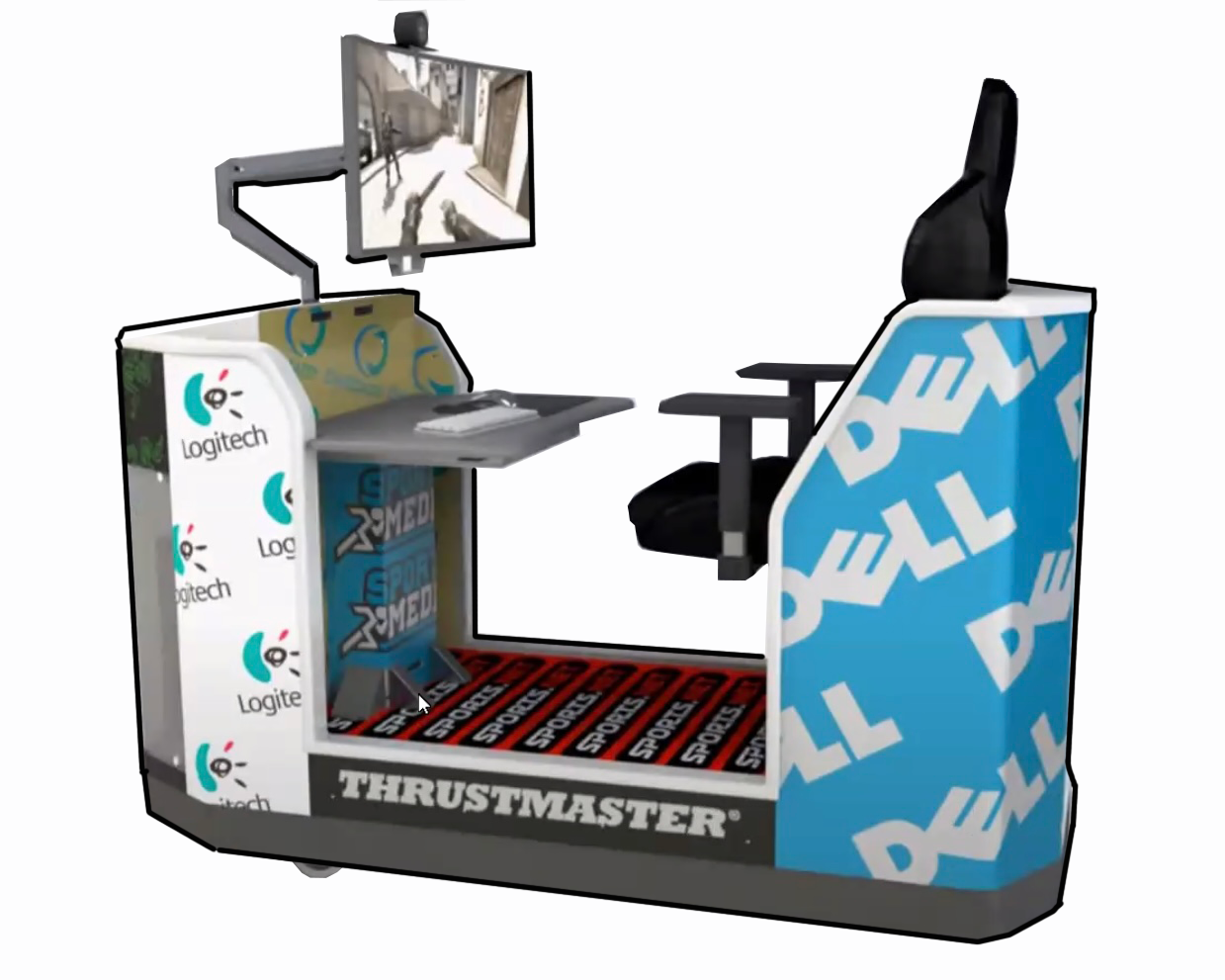
Entertainment and esports operations face similar challenges at even greater scale. Every tournament, every match, every player moment generates media assets with commercial value. MAM systems help organizations capitalize on content quickly while maintaining quality control and rights management. This becomes especially critical when managing sponsorship deliverables and proving ROI to brand partners.
Implementation Strategies That Work
Successfully implementing MAM requires strategic planning beyond just choosing software. Focus on these critical elements:
Integration Capabilities: Your MAM must connect seamlessly with existing cloud storage, editing suites, content delivery networks, and distribution platforms. Isolated systems create bottlenecks instead of solving them.
AI-Powered Metadata Enrichment: Modern MAM leverages artificial intelligence to automatically tag content, recognize faces, identify objects, and transcribe audio. This dramatically reduces manual metadata work while improving searchability.
Granular Access Controls: Balance security with accessibility. Configure permissions that enable internal team collaboration while allowing controlled external partner access. Different stakeholders need different levels of interaction with your media assets.
Enterprise Security Standards: Protect your valuable assets with reliable uptime, regular backups, disaster recovery protocols, and vendor support. Your media represents significant investment and competitive advantage.
User Training and Adoption: The best system fails without proper adoption. Invest in comprehensive training, create clear workflows, and designate MAM champions within your organization who help others maximize the platform.

Making MAM Work for Your Media Strategy
The modern MAM landscape emphasizes integration, scalability, and intelligent content discovery. As organizations manage increasingly complex multimedia environments, these elements become critical differentiators.
Start by auditing your current media management challenges. Where do delays occur? What content gets recreated unnecessarily? How much time does your team spend searching for assets? These pain points identify where MAM delivers immediate value.
Then evaluate solutions based on your specific workflow needs. A broadcast operation requires different capabilities than a sports franchise or entertainment company. Look for vendors who understand your industry and can demonstrate relevant case studies.
Most importantly, view MAM as infrastructure investment, not just another software purchase. The right system transforms how your organization creates, manages, and monetizes media content for years to come.
Ready to Transform Your Media Operations?
Media Asset Management isn't just about organizing files. It's about building operational efficiency, enabling team collaboration, protecting valuable assets, and creating new revenue opportunities from your content archive.
Whether you're managing sports content, entertainment properties, advertising campaigns, or multimedia productions, MAM provides the foundation for scaling your operations while maintaining quality and control.
At Dakdan Worldwide, we understand the unique challenges media organizations face. Our consulting and media solutions help companies implement systems that drive real results. From strategy development to implementation support, we guide organizations through digital transformation that delivers measurable impact.
Let's talk about optimizing your media operations. Contact Dan Kost directly at info@dakdan.com or call +1 (970) 578-4652 to discuss how strategic media asset management can elevate your organization's capabilities.
Visit dakdan.com to explore our full range of media, consulting, and advertising solutions, or check out press.dakdan.com for the latest updates from our Colorado headquarters.
Connect with us on social media to stay updated on media innovation, sports marketing insights, and entertainment industry trends. Your media assets represent significant investment – make sure you're maximizing their value.

#askdakdan for personalized guidance on media asset management, digital transformation, and operational excellence in media production.