
Listen, media is the lifeblood of your brand. Whether you are running a sports franchise, a corporate consulting firm, or an entertainment powerhouse, the way you handle your digital assets determines how fast you can grow. At Dakdan Worldwide, we have seen that the difference between a brand that scales and one that stalls often comes down to a single factor: how they manage their media.
A Strategic Media Asset Management (MAM) framework is no longer just a technical luxury. It is a core business requirement. It is about making sure that every video, every image, and every digital experience is searchable, usable, and ready to drive revenue. If you want to stay ahead in a fast-paced market, you need a system that works for you, not against you.
Step 1: Define Your Strategic Objectives
Before you look at software or cloud storage, you have to look at your goals. What are you actually trying to achieve? At Dakdan Worldwide, we help partners identify their core needs through specialized consulting. Are you looking to speed up your campaign delivery? Do you need to improve brand consistency across multiple global divisions? Or maybe you are focused on increasing the reuse of your existing assets to save on production costs.
Success starts with documenting these objectives. You need to align your stakeholders and identify which features are essential and which are just "nice to have." When you define your requirements early, you ensure that the framework you build supports your long-term vision.

Step 2: Audit Your Existing Asset Landscape
You cannot manage what you do not understand. A comprehensive audit is the second pillar of a successful framework. This involves documenting every storage location, from local drives to various cloud platforms. You need to catalog your asset types, volumes, and formats.
During this phase, look for patterns. Are your teams frequently recreating the same graphics because they cannot find the originals? Are there governance gaps where unapproved content is being used in public-facing campaigns? Mapping these workflows allows you to pinpoint delays and identify where a more robust system, like the solutions we offer at Dakdan Worldwide, can bridge the gap.
Step 3: Implement Education Through Simulation
One of the most exciting developments in media management is the move toward interactive and immersive assets. At Dakdan Worldwide, we are leading the charge by integrating esports gaming pods into high schools. These pods are more than just gaming stations, they are sophisticated media assets that provide educational growth through simulation.
For brands, this represents a massive sponsorship opportunity. By placing your brand within these high school environments, you are reaching students in a meaningful and educational way. Managing the media within these pods – the digital signage, the gameplay captures, and the sponsorship rotations – requires a framework that can handle high-velocity, interactive content.
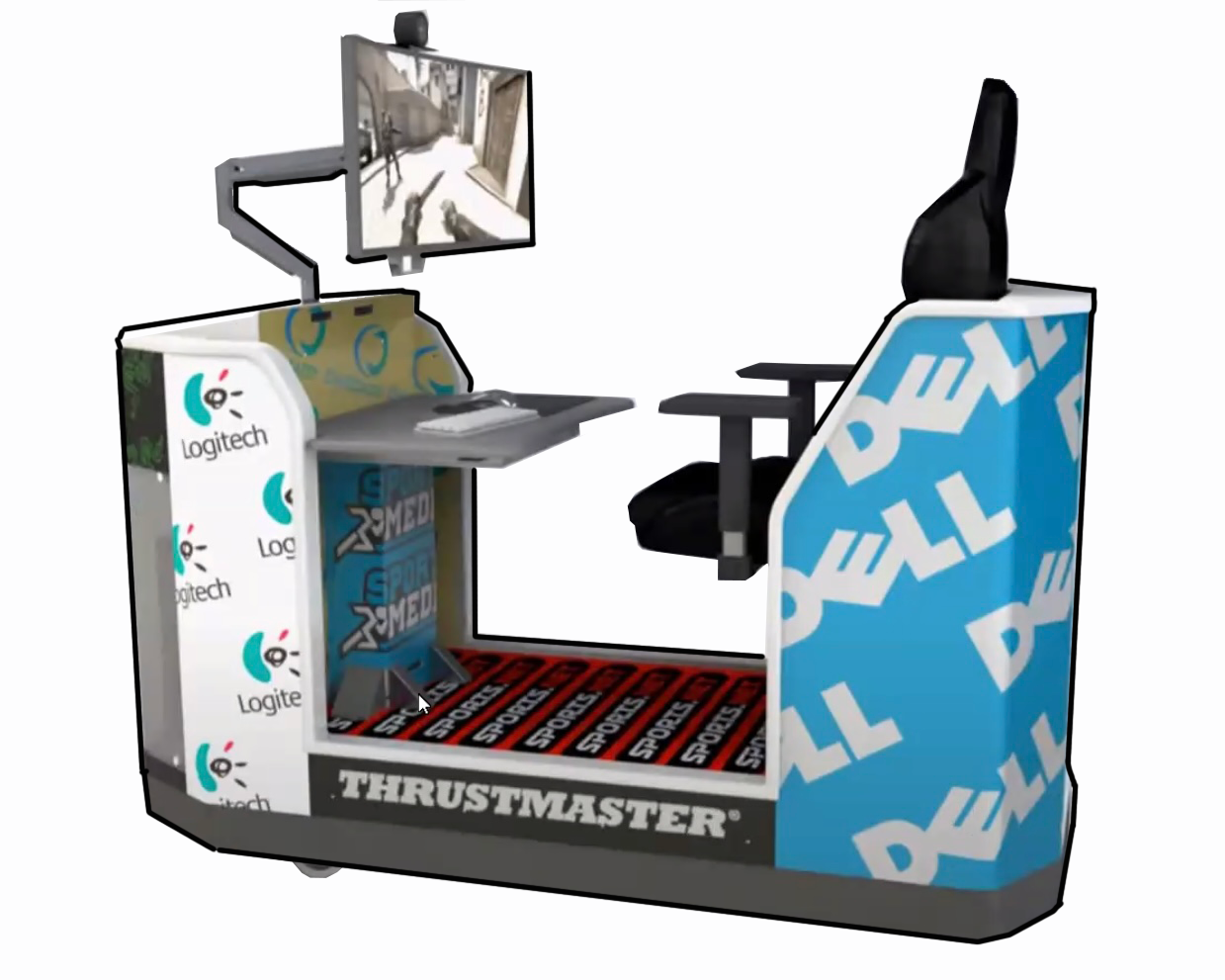
When you treat these educational tools as part of your media ecosystem, you open up new revenue streams. Companies looking to support the next generation of talent can leverage these platforms to drive brand awareness while contributing to student development. It is a win-win scenario that thrives on a well-organized asset management strategy.
Step 4: Select the Right Platform for Your Workflow
Not all platforms are created equal. Your choice should be dictated by your primary content type. If your organization is heavy on static imagery, you need a system with elite visual search and template management. If you are focused on video, you need a platform that treats high-resolution video files as first-class citizens.
The key is integration. Your media asset management system must talk to your CMS, your project management tools, and your creative software. A connected workflow is the only way to maintain the speed and consistency required in today’s market. You can explore how we manage various media divisions by visiting dakdan.com/divisions.

Step 5: Design Your Implementation Blueprint
Once you have the goals and the tools, you need the roadmap. This blueprint includes your system architecture, your data migration strategy, and your integration connections. It is about more than just moving files, it is about moving data.
Metadata is the secret sauce here. Without proper tagging and naming conventions, your assets are just digital clutter. Your blueprint should define how assets are categorized, who has permission to view them, and how they move from "work in progress" to "published." This structured approach ensures that when a creative director needs a specific file, they find it in seconds, not hours.
Step 6: Train Your Team and Drive Adoption
A framework is only as good as the people using it. You have to establish clear ownership of your brand libraries and asset collections. Who is accountable for quality? Who ensures compliance? Provide comprehensive training to ensure your teams understand the value of the system.
User satisfaction is a critical metric. If the system is too hard to use, people will go back to using "shadow IT" like personal cloud folders. By driving adoption through education and clear benefits, you turn your MAM framework into a competitive advantage.
Step 7: Govern, Measure, and Optimize
Media asset management is a journey, not a destination. You need continuous governance to maintain the health of your library. This means establishing lifecycle policies to retire outdated content and setting up regular audits to ensure everyone is following the rules.
Track your performance using measurable KPIs. Look at the reduction in time-to-market for your campaigns. Measure your asset reuse and localization rates. If you see that off-brand assets are no longer being used, you know your framework is working. For those looking for a deeper dive into our strategic approach, our about page offers more insight into how we view the intersection of media and consulting.

The Strategic Advantage of Metadata and AI
In the current landscape, AI-powered search and tagging have become essential. Modern systems can automatically tag images with keywords, recognize faces, and even transcribe video content. This automation dramatically speeds up the process of finding the right asset at the right time.
However, with great power comes great responsibility. Governance and content authenticity are more important than ever. You need to manage provenance metadata to document how content was created and whether it has been altered. This is especially true for AI-generated content. At Dakdan Worldwide, we prioritize these trust frameworks to ensure that our clients' brands remain authentic and compliant across all channels.
Conclusion: Future-Proofing Your Brand
Building a proven media asset management framework is an investment in your company's future. It removes bottlenecks, automates tedious processes, and makes your entire creative library searchable and performance-ready. Whether you are leveraging esports pods in education or managing a global advertising campaign, the principles of organization, integration, and governance remain the same.
The goal is strategic value. When your assets are easy to find and ready to use, your brand can move at the speed of culture.
Connect with Dakdan Worldwide
Ready to revolutionize your media strategy and explore high-impact sponsorship opportunities? Contact us today to learn how our consulting and media solutions can drive your growth.
Website: dakdan.com
Consulting & Media: press.dakdan.com
Human Capital: hr.dakdan.com
Phone: +1 (970) 578-4652
Email: info@dakdan.com
Follow Us:
#MediaAssetManagement #DakdanWorldwide #EsportsInEducation #StrategicConsulting #DigitalTransformation #BrandGrowth #MediaSolutions #DanKost #InnovationInMedia