
Operating in today's interconnected world means your media and consulting strategies need to work everywhere, not just in your home market. Whether you're launching entertainment initiatives across continents, deploying advertising campaigns in multiple regions, or scaling sports programs internationally, the challenge remains the same: how do you maintain consistency while respecting local nuances?
At Dakdan Worldwide, we've learned that successful global deployment isn't about forcing a one-size-fits-all solution onto diverse markets. It's about creating frameworks that adapt intelligently while maintaining strategic coherence. Here's how we approach media and consulting solutions that deliver results anywhere.
Step 1: Assemble Teams That Think Global and Act Local
Your first step toward effective global deployment starts with the people who'll execute your vision. Building multi-disciplinary teams that combine global expertise with local market knowledge creates the foundation for success.
Think beyond traditional hiring approaches. Your ideal team blends creatives who understand cultural storytelling differences, technologists who know regional infrastructure capabilities, and management consultants who grasp local business dynamics. This combination ensures your solutions respect regional audience preferences, navigate diverse regulatory environments, and account for competitive landscapes that vary dramatically from market to market.

For example, when deploying esports initiatives across different educational institutions, understanding local student engagement patterns, parental concerns, and administrative priorities becomes critical. A strategy that works in Colorado might need significant adaptation for markets in other states or countries.
The key is maintaining strategic consistency while allowing tactical flexibility. Your core brand values and quality standards remain non-negotiable, but how you communicate them and deliver value should flex based on where you're operating.
Step 2: Start with Comprehensive Market Diagnosis
Before proposing any solution, invest time in thorough diagnostic assessment. This step separates effective consulting from generic advice that fails in practice.
Your diagnostic phase should examine multiple dimensions. Assess market trends and competitive positioning in each region. Evaluate existing workflows, infrastructure capabilities, and stakeholder readiness. Identify quick wins through process optimization before recommending major technology investments or structural changes.
This assessment typically takes several weeks, but that upfront investment prevents costly missteps later. You're gathering intelligence about what actually matters in each market, not what you assume matters based on experience elsewhere.
Consider how this applies to media production. Audio and visual content that resonates in one market might fall flat in another due to cultural references, humor styles, or even color associations. Your diagnostic work uncovers these nuances before you've committed resources to content creation.
The same principle applies to advertising campaigns, sports programs, and entertainment properties. Understanding local consumer behavior, media consumption patterns, and decision-making processes informs every subsequent choice you make.
Step 3: Customize Strategies to Align with Local Business Goals
Armed with diagnostic insights, you can now develop strategies specifically tailored to each region's business objectives. This customization goes beyond superficial localization like translating content or changing currency symbols.
Deep customization means aligning your technology implementations, media approaches, and consulting interventions with the unique opportunities and constraints each market presents. Your business strategies, commercial plans, and operational frameworks should reflect local realities while supporting overarching corporate objectives.
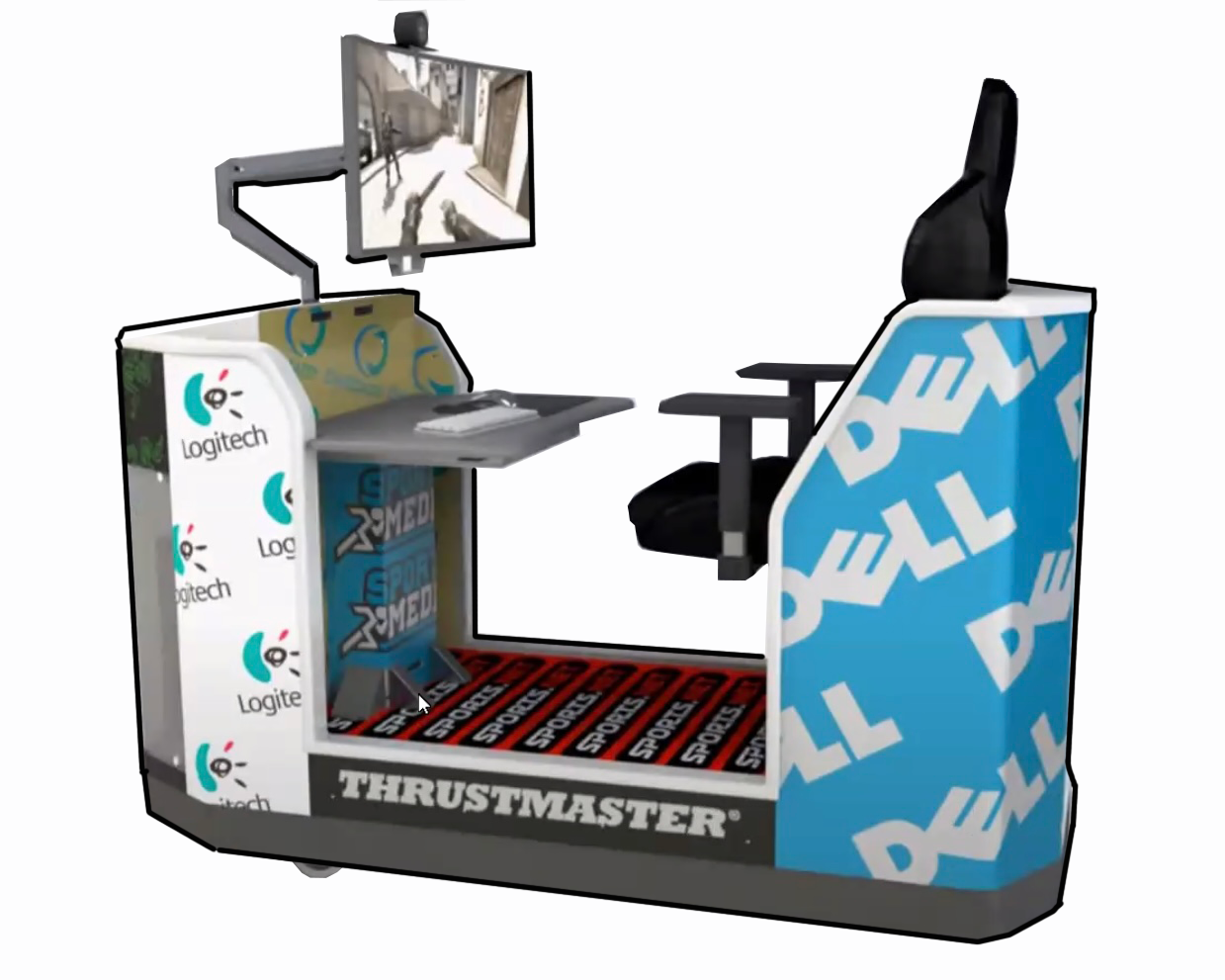
Take our approach to esports gaming pods in educational settings. The core solution, a branded gaming environment that delivers educational value through simulation, remains consistent. But how we position it, which partnerships we prioritize, and what educational outcomes we emphasize vary based on local educational priorities and student demographics.
In markets where STEM education receives heavy emphasis, we highlight technology skills development and problem-solving capabilities. In regions focused on social-emotional learning, we emphasize teamwork, communication, and resilience building. Same product, different strategic positioning based on what local stakeholders value most.
This principle extends across all media and consulting solutions. Your advertising strategies should reflect local consumer purchasing patterns. Your entertainment offerings should align with regional content consumption preferences. Your sports initiatives should recognize varying levels of infrastructure and community engagement traditions.
Step 4: Apply the People-Process-Technology Framework Holistically
Successful deployment requires examining three critical dimensions simultaneously: people, process, and technology. Focusing on just one or two creates gaps that undermine your entire initiative.
The people dimension addresses training, change management, and stakeholder engagement. How will users adopt your solution? What support systems ensure ongoing success? Who champions the initiative internally?
The process dimension examines workflows, operational procedures, and governance structures. What existing processes need modification? Where do handoffs occur? How do you measure and optimize performance?
The technology dimension covers infrastructure, platforms, and integration requirements. What technical capabilities exist currently? What gaps need filling? How do systems connect and share data?
By addressing all three dimensions together, you create solutions that are both manageable and cost-effective. Organizations can remain competitive locally while maintaining global standards, because you've built adaptability into the framework rather than treating it as an afterthought.
For media holdings operating across multiple properties, this holistic approach ensures consistent brand quality while allowing individual properties to serve their specific audiences effectively. For consulting engagements, it means recommendations that clients can actually implement rather than theoretical ideals that collapse under operational realities.
Step 5: Execute Through Phased, Risk-Managed Implementation
Even the best-designed solution fails if implementation creates more chaos than value. Execute through systematic, transparent rollouts with clearly defined milestones and success metrics.
Comprehensive transformation initiatives typically span several months, allowing time for proper stakeholder engagement, technology integration, and capability building. Rather than attempting organization-wide changes simultaneously across all markets, adopt staged rollouts that manage risk and allow learning from early implementations.
This phased approach serves multiple purposes. It creates opportunities to refine your solution based on real-world feedback before full deployment. It builds internal champions who can advocate for the initiative based on demonstrated results rather than theoretical benefits. It allows you to course-correct when unexpected challenges emerge without derailing your entire program.

Throughout implementation, maintain transparent communication with all stakeholders. Share progress updates, acknowledge challenges openly, and celebrate wins as they occur. This transparency builds trust and sustains momentum even when obstacles arise.
For complex media projects involving multiple production elements across different locations, phased execution might mean piloting in one market before expanding. For consulting engagements, it could involve implementing process changes before major technology investments. The specific approach varies, but the principle remains constant: manage risk through deliberate staging rather than betting everything on simultaneous global deployment.
Making Global Solutions Work Locally
These five steps create a framework that works across industries and geographies because it respects a fundamental truth: effective solutions balance global consistency with local relevance. Your core competencies, brand values, and quality standards remain constant. How you apply them flexes based on market-specific realities.
At Dakdan Worldwide, we apply this framework across our media holding properties, consulting engagements, advertising campaigns, entertainment initiatives, and sports programs. Whether we're deploying esports pods in educational institutions, developing content strategies for diverse audiences, or advising organizations on digital transformation, these principles guide our approach.
The result? Solutions that actually work in practice, not just in planning documents. Strategies that local teams embrace rather than resist. Outcomes that deliver value both globally and locally.
Ready to Deploy Solutions That Work Anywhere?
If you're looking to expand your media presence, scale consulting services, launch advertising campaigns, or deploy entertainment and sports initiatives across multiple markets, let's talk about how these principles apply to your specific situation.
Contact Dakdan Worldwide Today:
Website: https://dakdan.com
Email: info@dakdan.com
Phone: +1 (970) 578-4652
Connect with us on social media for ongoing insights about media solutions, consulting strategies, and global deployment best practices. Our team in Colorado is ready to help you create solutions that deliver impact wherever you operate.
Visit our divisions page to explore our full range of capabilities, or reach out directly to discuss your specific needs. At Dakdan Worldwide, we turn global ambitions into local realities.