
Fortune 100 companies are discovering that the future of digital media doesn't just live online. The next generation of brand engagement, customer experience, and market penetration requires physical infrastructure that connects digital innovation with real-world venues. From sports arenas to educational institutions, entertainment facilities to logistics hubs, venue networks are becoming the backbone of national-scale digital media strategies.
The question isn't whether your organization needs this infrastructure. It's how quickly you can build it before your competitors do.
The Venue Network Advantage: Why Physical-Digital Integration Matters
The digital transformation playbook has evolved. Companies like Nike revolutionized retail with connected products that bridge physical and digital experiences. Disney streamlined operations by implementing cloud-based systems across theme parks and entertainment venues. Ford integrated connectivity into 90% of their vehicles, turning automobiles into data-collecting, experience-delivering platforms.
These examples share a common thread: they recognized that digital innovation reaches its full potential when anchored to physical touchpoints. Venue networks take this principle and scale it across entire markets, creating interconnected ecosystems where brands can engage audiences at multiple levels simultaneously.
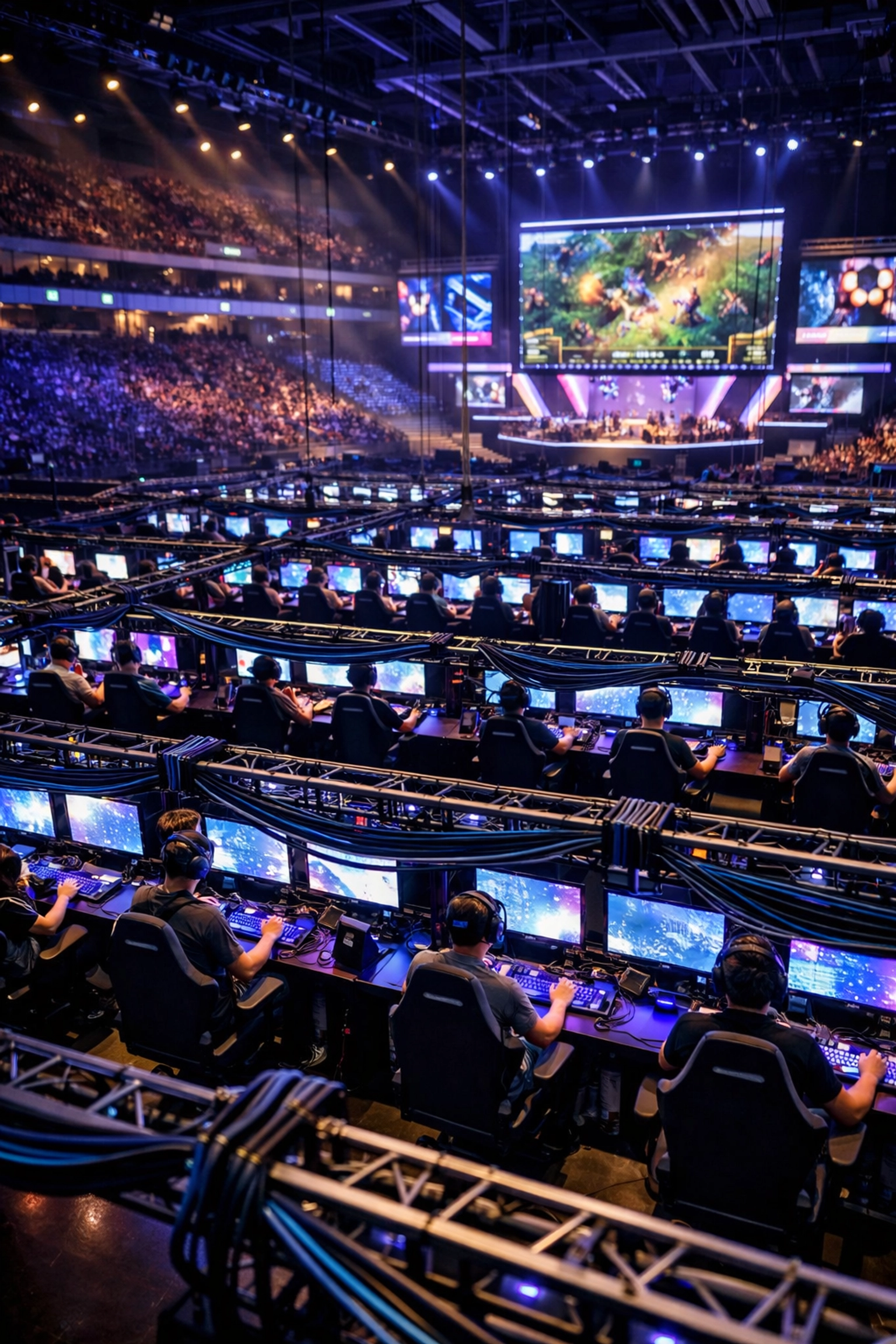
Think of venue networks as the nervous system of modern brand engagement. Each venue, whether it's a high school gymnasium, a zoo, an aquarium, a sports complex, or a logistics facility, becomes a node in a larger network. These nodes collect data, deliver experiences, showcase innovation, and create measurable touchpoints between brands and their target demographics.
Building the Foundation: Core Components of Venue Network Infrastructure
Successful venue networks require five critical infrastructure components working in harmony.
Digital Connectivity Systems form the backbone. High-bandwidth networks, cloud integration, real-time data collection, and seamless device connectivity enable everything else. Without robust connectivity, venues remain isolated islands rather than networked nodes.
Content Management Platforms ensure consistency while allowing customization. Your brand message needs to adapt to different venues, audiences, and contexts while maintaining core identity. Centralized content management with localized delivery capability is essential.
Data Analytics Infrastructure transforms venues from passive spaces into active intelligence-gathering platforms. Every interaction, every engagement, every transaction becomes a data point that refines strategy and improves outcomes.
Hardware Integration Points bring digital innovation into the physical world. From interactive displays to connected products, from gaming pods to immersive experiences, hardware creates the tangible interface between brands and audiences.
Partnership Management Systems coordinate the complex web of relationships that make venue networks possible. Facility operators, sponsors, technology providers, content creators, and end users all need seamless coordination.
Education as Infrastructure: The High School Esports Revolution
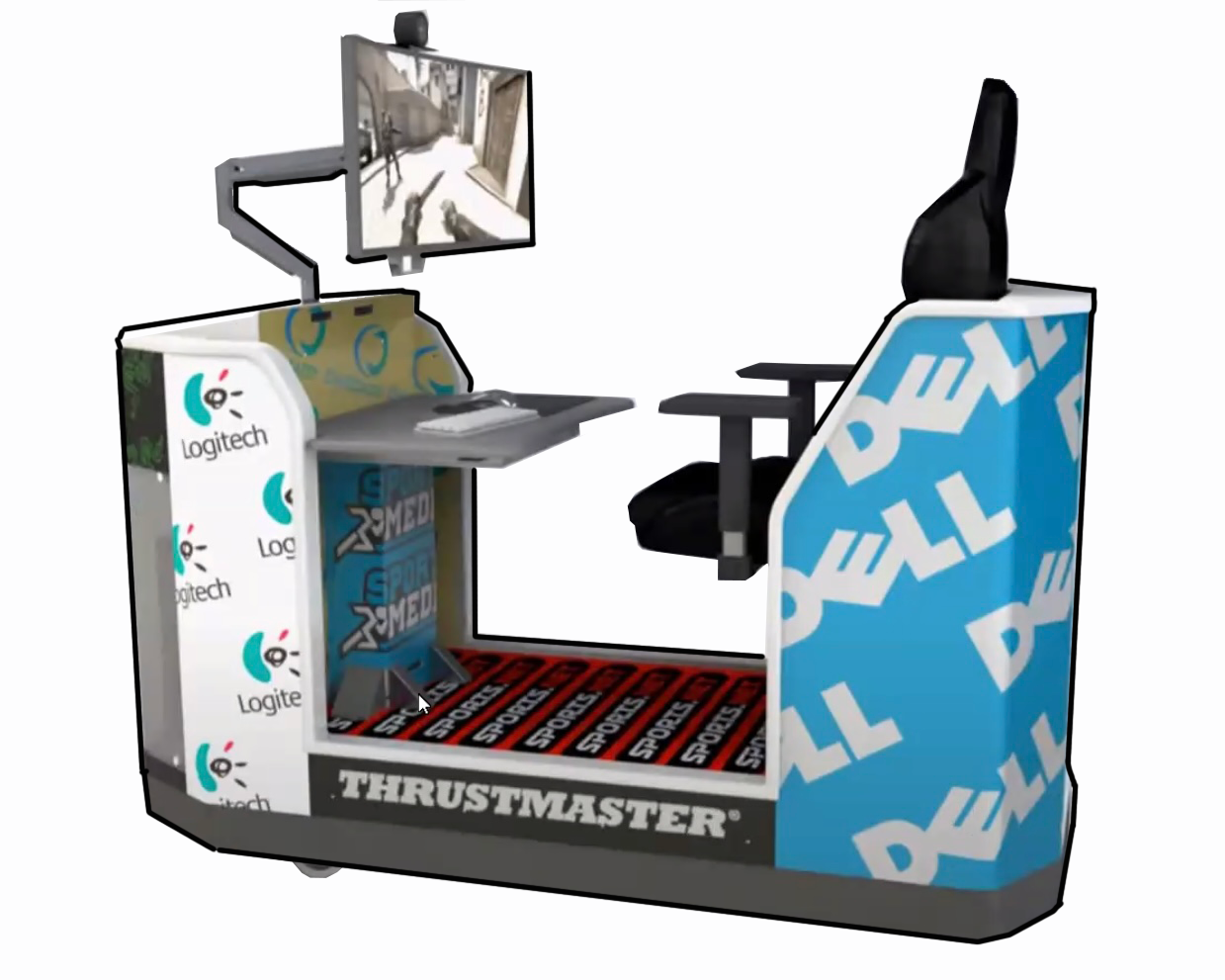
One of the most powerful applications of venue network strategy is transforming educational spaces into brand engagement platforms through esports infrastructure. High schools represent an underutilized opportunity for Fortune 100 companies seeking authentic connection with the next generation of consumers.
Custom esports gaming pods installed in educational facilities serve multiple strategic purposes simultaneously. They provide students with technology access and digital literacy development. They create structured competitive environments that teach teamwork, communication, and strategic thinking. They establish long-term brand associations during formative years when consumer preferences solidify.
The sponsorship model is particularly compelling. Technology brands gain visibility among digital natives in educational contexts. Educational institutions receive state-of-the-art facilities that enhance programs and attract students. Students develop skills increasingly relevant to modern careers in technology, media, and entertainment.
This isn't just advertising. It's infrastructure development that delivers measurable educational outcomes while building brand equity that lasts decades.

Sponsorship Integration: Turning Venues into Revenue Engines
Smart venue networks transform every touchpoint into a potential revenue opportunity through strategic sponsorship integration. The key is moving beyond traditional advertising into experience sponsorship that adds value rather than interrupting it.
Physical branding on equipment and facilities establishes visual presence. Digital content integration delivers brand messages through engagement rather than interruption. Experiential activations create memorable moments tied to brand identity. Data partnerships allow sponsors to understand audience behavior and refine strategies in real time.
The esports pod example demonstrates this approach perfectly. Dell, Logitech, and Thrustmaster branding isn't just slapped on equipment, it's integrated into a premium experience that students actively seek out. Brands become associated with achievement, competition, and cutting-edge technology rather than being perceived as intrusive advertising.
This model scales across venue types. Zoos and aquariums can integrate conservation-focused brand partnerships. Sports facilities can align with performance and wellness brands. Logistics hubs can showcase supply chain and sustainability partnerships. Entertainment venues can create immersive brand experiences that audiences remember long after events end.
Implementation Roadmap: From Strategy to Execution
Building national venue network infrastructure requires phased implementation focused on rapid learning and scaling what works.
Phase One: Pilot Development involves selecting 3-5 diverse venue types that represent your target markets. Deploy full technology stacks, test integration points, collect baseline data, and refine operations based on real-world performance. Duration should be 90-120 days maximum to maintain momentum.
Phase Two: Regional Expansion takes proven models and replicates them across geographic markets. Standardize technology deployment, establish regional partnership networks, implement centralized management systems, and begin building network effects between venues.
Phase Three: National Scaling transforms regional clusters into a true national network. Deploy infrastructure at 50+ venues, establish national brand partnerships, implement advanced analytics across the entire network, and optimize operations based on comprehensive data sets.

Measuring Success: ROI Beyond Traditional Metrics
Venue networks generate value across multiple dimensions that traditional ROI calculations miss. Audience reach expands beyond digital metrics to include physical engagement. Brand perception shifts through association with valued experiences rather than interrupting content consumption. Data collection provides insights impossible to gather through purely digital channels. Partnership opportunities multiply as venue networks create value for multiple stakeholders simultaneously.
The long-term value proposition is particularly compelling for Fortune 100 companies. While startups chase viral moments and quarterly growth, established enterprises can build infrastructure that compounds value over decades. A high school student using sponsored esports equipment today becomes a brand-loyal professional with purchasing power tomorrow.

The Competitive Window Is Closing
First-mover advantage in venue network infrastructure is significant and lasting. Venues can only accommodate limited partnerships before becoming cluttered and ineffective. Educational institutions, sports facilities, entertainment venues, and other high-value locations are actively seeking partnerships right now. Organizations that establish infrastructure first will occupy premium positions for years or decades.
The companies winning this race aren't waiting for perfect strategies or complete roadmaps. They're deploying infrastructure, learning from real-world implementation, and iterating rapidly. They're recognizing that venue networks aren't a marketing tactic, they're essential infrastructure for next-generation brand engagement.
Ready to Build Your Venue Network?
Dakdan Worldwide specializes in helping Fortune 100 companies design, deploy, and optimize venue network infrastructure across sports, entertainment, education, conservation, and logistics sectors. Our team brings decades of experience in media production, consulting, and strategic implementation to transform your vision into operational reality.
Whether you're exploring initial concepts or ready to deploy at scale, we're here to help you build the physical-digital infrastructure that drives sustainable competitive advantage.
Contact Dakdan Worldwide:
- Email: info@dakdan.com
- Phone: +1 (970) 578-4652
- Website: dakdan.com
- Learn More: About Us
Connect with us on social media and join the conversation using #askdakdan to explore how venue network infrastructure can transform your brand engagement strategy.
The future of digital media innovation is physical. The question is whether you'll build the infrastructure or watch competitors occupy the spaces that matter most to your customers.