
Here's a reality check: your organization is sitting on millions of dollars in media assets right now. Videos from last year's campaign. Brand photos from three product launches ago. Audio files from sponsored events. And most of it? Collecting digital dust because nobody can find it, use it, or even remember it exists.
This isn't a filing problem. It's a revenue problem.
Media Asset Management (MAM) isn't just another tech buzzword. It's the infrastructure that turns scattered content libraries into strategic business advantages. And when you're managing assets worth $6.7B (the average value large enterprises hold in media inventory), the difference between chaos and clarity isn't just operational, it's existential.
What Media Asset Management Actually Means
At its core, MAM is a centralized system that organizes, stores, and manages your digital media files. Think videos, images, audio, graphics, and everything in between. But calling it "file storage" is like calling a strategic consulting firm "people who give advice."
The real power of MAM lies in what happens after storage. We're talking metadata enrichment, workflow automation, version control, rights management, and intelligent search capabilities that actually understand what you're looking for.

When Dakdan Worldwide works with media holdings, entertainment properties, or advertising agencies, the pattern is always the same: brilliant creative work trapped in organizational quicksand. A producer can't find the B-roll from last month. The sponsorship team doesn't know which brand assets are cleared for digital use. Marketing is recreating graphics that already exist somewhere in a shared drive nobody uses.
MAM solves this by creating a single source of truth. One system. One workflow. One place where your entire team, from Colorado to client sites nationwide, can access exactly what they need, when they need it.
The $6.7B Question: Are Your Assets Working or Sitting?
Here's why that number matters. Industry research shows that large organizations with extensive media operations, broadcasting capabilities, and content production typically hold between $5B-$8B in media asset value. This includes:
- Archived footage and original content libraries
- Brand photography and product imagery
- Sponsored content and partnership materials
- Event recordings and livestream archives
- Licensed media and rights-managed content
- Audio production and podcast libraries
Now ask yourself: what percentage of those assets are actively generating value?
For most organizations, it's less than 30%. The rest sits in legacy systems, outdated servers, or forgotten cloud folders. That's not just waste. That's opportunity cost at scale.
Core Functions That Actually Drive Returns
Content Ingestion With Intelligence
Modern MAM doesn't just import files. It automatically assigns metadata the moment content enters the system. Title, description, copyright status, usage rights, tags, categories. This happens instantly, which means your team never starts from zero when searching for assets.
Workflow Automation That Scales
The real ROI multiplier is automation. Transcoding video for multiple platforms. Routing content through approval chains. Distributing final assets to different channels. These repetitive tasks are exactly where human hours disappear and project timelines bloat.
Automate them, and suddenly your team capacity doubles without adding headcount.
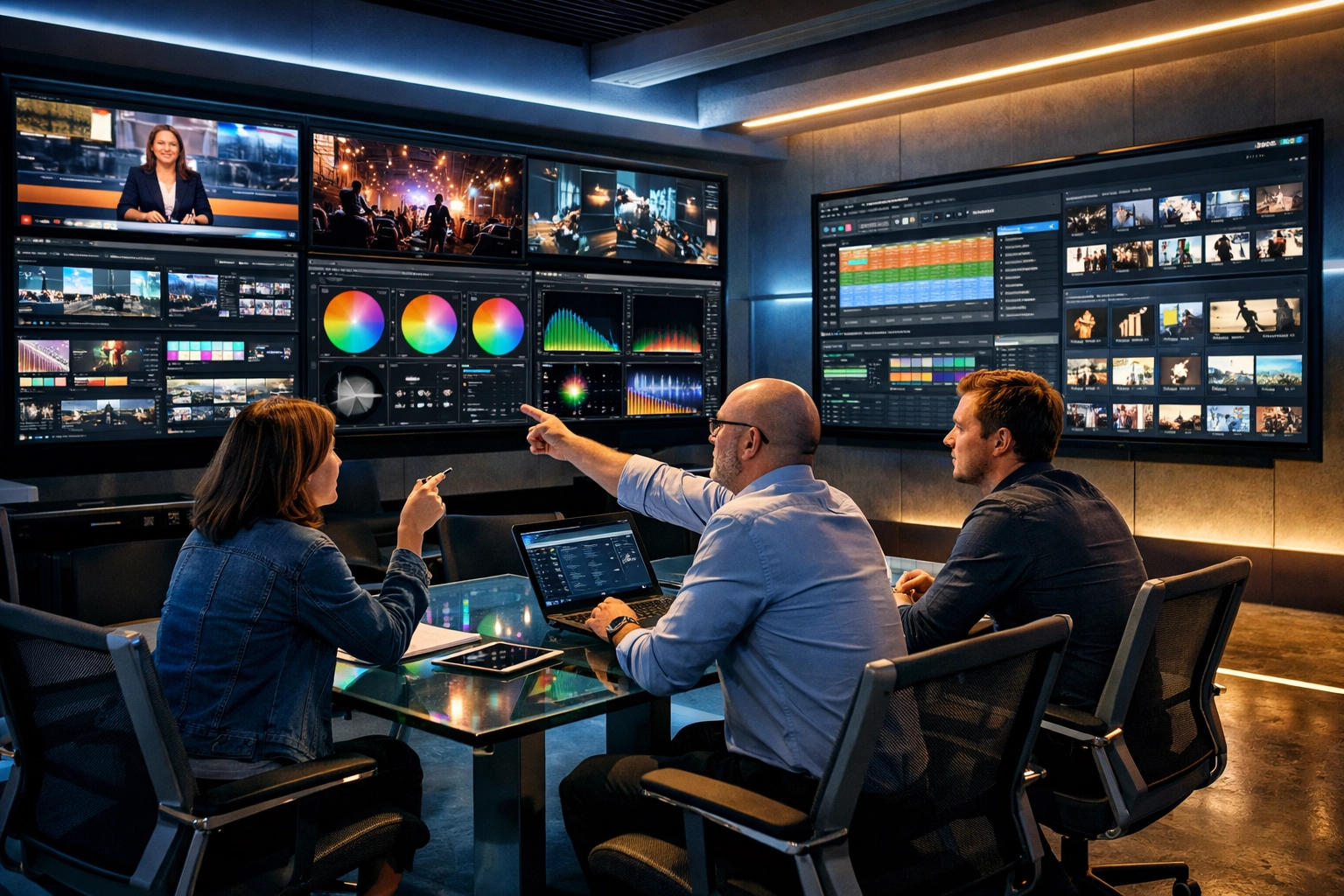
Collaboration Without Chaos
When Dakdan Worldwide manages consulting engagements across sports properties, entertainment ventures, and advertising campaigns, geography is never the limitation. MAM enables seamless collaboration with role-based access controls. Marketing sees approved assets. Legal sees rights documentation. External agencies see exactly what they're cleared to use.
No more email chains with 47 attachments. No more "which version is final?" conversations. Just clean, controlled access that maintains brand consistency and protects sensitive content.
Version Control That Prevents Expensive Mistakes
Using outdated brand assets costs real money. Wrong logos on sponsor materials. Expired product shots in paid media. Old pricing in customer-facing collateral. MAM tracks every version, every change, every approval, so teams always work with current, authorized content.
Rights Management That Mitigates Risk
Copyright violations, licensing disputes, and usage rights issues create legal exposure that can dwarf your entire media budget. MAM systematically manages rights and permissions, providing clear documentation of what you can use, where you can use it, and how long those rights remain valid.
Measuring Real Returns: The ROI Formula
Here's how MAM translates to measurable business impact:
Time Savings: If your team spends an average of 45 minutes per day searching for assets (industry average), and you have 20 people doing media work, that's 15 hours daily. At $75/hour loaded cost, you're burning $275,000 annually just on search time. MAM cuts this by 70-80%.
Faster Time-to-Market: Campaigns launch weeks faster when assets are instantly accessible and workflows are automated. In competitive markets, speed is premium pricing power.
Content Reusability: Organizations with strong MAM systems report 40-60% higher content reuse rates. That directly reduces production costs and maximizes existing asset value.
Brand Consistency Value: Preventing brand inconsistencies and outdated asset usage protects brand equity. While harder to quantify, research shows consistent brand presentation increases revenue by up to 23%.
Risk Reduction: A single licensing violation can cost $150,000+ in settlements. MAM's rights management provides insurance against these exposures.

Future-Proofing Your Media Strategy
The MAM landscape is evolving fast, and AI integration is the current frontier. Modern systems now offer:
Automatic Tagging: AI recognizes objects, scenes, faces, and actions within video and images, creating searchable metadata without manual input.
Smart Search: Natural language queries that understand intent. "Show me outdoor shots with athletes from the summer campaign" actually works.
Content Recommendations: AI suggests relevant assets based on campaign parameters, target demographics, and performance data.
Automated Adjustments: Generate multiple aspect ratios, create platform-specific cuts, or produce localized versions automatically.
Cloud-based MAM adds another dimension: flexibility, scalability, and remote accessibility that traditional on-premise systems can't match. As your content library grows from gigabytes to petabytes, cloud infrastructure scales seamlessly.
Implementation Strategy: Building Value From Day One
Starting with MAM doesn't require ripping out existing systems overnight. The strategic approach follows three phases:
Phase 1 – Audit and Assess: Catalog your current media assets, identify high-value content, document existing workflows, and establish clear ROI metrics.
Phase 2 – Centralize and Organize: Import priority assets, implement metadata standards, establish access controls, and train core teams.
Phase 3 – Automate and Optimize: Build workflow automation, integrate with existing tools (CMS, marketing platforms, analytics), and continuously refine based on usage data.
The key is starting with business objectives, not technology features. What content drives revenue? What workflows create bottlenecks? What risks need immediate mitigation? Answer these first, then build your MAM strategy around them.
Your Next Move
Whether you're managing media holdings worth millions or building advertising campaigns across multiple channels, the question isn't whether you need better asset management. It's whether you can afford to keep losing value to organizational friction.
At Dakdan Worldwide, we help organizations across media, consulting, advertising, entertainment, and sports build infrastructure that turns content libraries into competitive advantages. From strategy development to implementation support, we focus on solutions that deliver measurable returns.
Ready to unlock the real value in your media assets? Let's talk about what's possible when your content actually works for you.
Contact Dakdan Worldwide
Website: dakdan.com
Email: info@dakdan.com
Phone: +1 (970) 578-4652
Connect With Us:
LinkedIn | Twitter | Instagram | Facebook
Learn more about our consulting solutions and media services at dakdan.com/about or reach out directly to discuss your specific media asset management challenges.