
Managing media assets across sports venues, entertainment properties, and digital networks isn't just about storage anymore. It's about turning billions of dollars in creative content, sponsorship materials, and digital inventory into revenue-generating, brand-building machines that work 24/7.
The reality? Most organizations are sitting on goldmines of underutilized media assets. Video libraries collecting digital dust. Brand partnerships lacking proper activation materials. Digital signage networks running static content when they could be delivering dynamic, data-driven experiences.
Let's change that.
Why Media Asset Management Matters More Than Ever
Think about the typical sports organization, entertainment venue, or digital media network. They're juggling thousands of video files, sponsor logos, game highlights, promotional clips, social media content, and advertising materials across multiple platforms. Without a solid system, finding the right asset at the right time becomes impossible.
Media Asset Management (MAM) creates a centralized hub where every piece of content lives, breathes, and becomes immediately accessible to the people who need it. This isn't just about organization. It's about velocity, compliance, brand consistency, and ultimately, revenue generation.

The $6.7B Asset Transformation Opportunity
When you calculate the combined value of media rights, sponsorship agreements, digital advertising inventory, and content libraries across sports, entertainment, and venue networks, you're looking at billions in managed assets. The organizations winning in this space aren't just managing these assets – they're activating them strategically.
Here's what transformation looks like:
Centralized Content Libraries: Every video highlight, sponsor logo, player interview, and branded content piece lives in one searchable, cloud-accessible system. Teams in Colorado can access the same assets as partners in New York without email chains or file sharing headaches.
Automated Workflows: Content moves from creation to approval to deployment without manual handoffs. A game highlight filmed on Friday automatically gets tagged, formatted for multiple platforms, and queued for sponsor integration before Monday morning.
Rights Management Built In: Every asset carries its usage rights, expiration dates, and compliance requirements. No more accidentally using expired sponsor logos or content outside approved channels.
Core Components of High-Performance MAM Systems
Building effective media asset management requires more than just cloud storage. The systems that drive real transformation include several critical components working together.
Metadata Architecture: Rich tagging systems that make every asset discoverable. Search for "basketball highlight + Colorado + Q4 2025" and instantly pull relevant clips. Tag sponsor content by brand, campaign, venue, and activation type.
Version Control: Track every iteration of creative assets. Know which version of a sponsor logo is current, who approved it, and where it's being used across your network.
Integration Capabilities: Your MAM system should talk to your content management system, digital signage platform, social media schedulers, and analytics tools. Siloed systems kill efficiency.
Permission Frameworks: Control who accesses what. Venue operators see different asset libraries than broadcast teams. Sponsor partners access their branded content without seeing competitor materials.

Digital Signage and Venue Applications
Digital signage networks represent some of the most visible applications of strong media asset management. Sports venues, entertainment complexes, transit hubs, and retail locations all rely on dynamic content delivery.
Smart MAM systems enable programmatic content delivery based on real-time triggers. Game scores change, and sponsor content automatically updates. Weather shifts, and venue messaging adjusts accordingly. Event schedules populate digital directories without manual input.
The competitive advantage? Venues can offer sponsors guaranteed placements with verified delivery metrics. Brand partners know exactly when, where, and how often their content appears. This transparency drives higher sponsorship values and longer partnership commitments.
Educational Institutions and Esports Integration
Educational facilities represent one of the fastest-growing opportunities for sophisticated media asset management. High schools and universities building esports programs need systems that manage game footage, player highlights, sponsor content, and educational materials simultaneously.
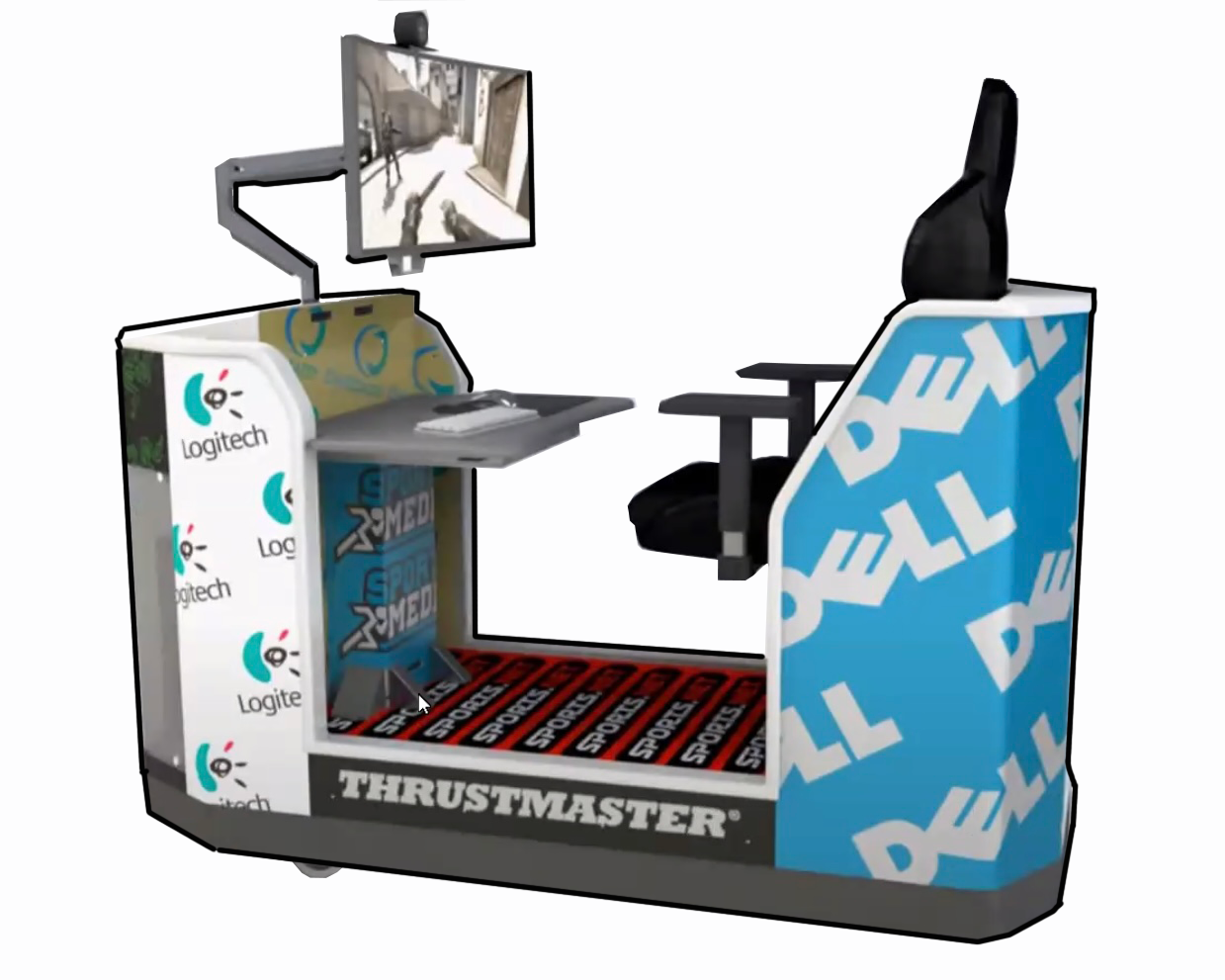
Esports pods in educational settings create unique content ecosystems. Student competitions generate video content. Brand partners provide equipment and seek visibility. Educational institutions need compliance-ready systems that protect student privacy while enabling sponsor activation.
A proper MAM system lets schools manage tournament footage, create highlight reels for college recruitment, provide sponsors with verified impression data, and maintain educational content libraries – all from one platform.
The brands reaching high school students through esports sponsorships need reliable asset management to ensure their logos, messaging, and activation materials appear correctly across streaming platforms, in-venue displays, and social media channels.
Sponsorship Monetization Through Strategic Asset Management
Here's where media asset management directly impacts revenue. Organizations with robust MAM systems can offer sponsors more valuable, more measurable, more flexible partnership opportunities.
Dynamic Content Rotation: Instead of static logos, sponsors get content that changes based on programming, audience, time of day, or campaign objectives. A breakfast brand shows different creative during morning events than evening games.
Cross-Platform Activation: One sponsor asset library feeds content to digital signage, mobile apps, streaming platforms, social media, and in-venue displays. Brands pay premium rates for integrated, multi-channel exposure.
Real-Time Performance Data: MAM systems integrated with analytics platforms deliver verified impression counts, dwell times, and engagement metrics. Sponsors see exactly what they're getting, driving renewal rates and upsells.
Rights Compliance: Automated systems prevent costly mistakes like using expired sponsor content or displaying competitor brands in restricted zones. This protection alone justifies MAM investment.

Implementation Strategy for Maximum Impact
Transforming media asset management across your organization requires methodical planning. Start with inventory. Catalog existing assets, identify gaps, audit usage rights, and document current workflows.
Next, define your taxonomy. How will assets be tagged, categorized, and searched? Create consistent naming conventions that make sense across departments. A video file named "vid_final_FINAL_v3.mp4" helps nobody.
Choose platforms that scale. Cloud-based solutions offer flexibility as your asset library grows. Look for systems with robust APIs that integrate with your existing technology stack.
Train your teams thoroughly. The best MAM system fails if people don't know how to use it effectively. Create documentation, run workshops, and designate power users who can help colleagues.
Measure what matters. Track time saved finding assets, reduction in duplicate content creation, increase in asset reuse rates, and growth in sponsor satisfaction scores. These metrics justify continued investment and demonstrate ROI to stakeholders.
Building Your Transformation Roadmap
Media asset management isn't a one-time project. It's an evolving capability that grows with your organization. Start with quick wins – centralizing your most-used assets or automating your most painful workflow bottleneck.
Expand strategically into areas with clear revenue impact. Maybe that's enabling better sponsor reporting. Perhaps it's streamlining content creation for multiple venues. Focus on changes that either save significant costs or unlock new revenue streams.
The organizations leading in sports, entertainment, and digital media aren't managing more assets – they're managing them smarter. They've built systems that turn content libraries into strategic advantages, sponsorship materials into measurable results, and digital inventory into dynamic experiences.
Your media assets represent more than files in folders. They're revenue opportunities waiting to be activated, brand stories ready to be told, and audience experiences that haven't been delivered yet.
Ready to Transform Your Media Asset Management?
Dakdan Worldwide specializes in helping sports organizations, entertainment venues, and digital networks build media asset management systems that drive real business results. From strategic consulting to implementation support, we turn content chaos into competitive advantage.
Whether you're managing a multi-venue sports network, building an esports program in education, or scaling digital signage across retail and transit, we'll help you unlock the full value of your media assets.
Let's talk about your transformation:
📧 Email: info@dakdan.com
📞 Phone: +1 (970) 578-4652
🌐 Website: dakdan.com
📰 Latest Updates: press.dakdan.com
💼 Explore Opportunities: dakdan.com/careers
Connect with us on social media for daily insights on media innovation, sports technology, and digital transformation strategies that move your business forward.
#askdakdan #MediaAssetManagement #SportsMedia #DigitalSignage #Esports #SponsorshipActivation #MediaInnovation #VenueManagement #ContentStrategy