
Digital media innovation isn't just about adopting the latest technology. It's about creating scalable systems that work across multiple sectors while maintaining brand consistency and measurable outcomes. Whether you're activating sponsorships in sports venues, managing logistics communications, or producing entertainment content, the principles of effective digital media strategy remain remarkably similar.
At Dakdan Worldwide, we've seen firsthand how brands struggle when they treat each sector as an isolated island. The reality? The most successful organizations in sports, logistics, entertainment, and even ESG initiatives are building unified digital ecosystems that scale efficiently across all their properties.
Why Multi-Sector Brands Need Integrated Digital Strategies
The fragmentation challenge is real. Your sports division might be running campaigns on one platform, your entertainment properties on another, and your logistics communications on something entirely different. This siloed approach doesn't just waste resources, it prevents you from understanding your audience holistically.
Brands operating across multiple sectors have a unique advantage: cross-pollination of insights and economies of scale. When you integrate your digital media infrastructure, you can apply learnings from a successful sports activation to an entertainment property, or leverage logistics data to optimize venue operations.

Embedding AI Throughout Your Operations
Artificial intelligence has moved beyond the experimental phase. The question isn't whether to use AI, but how deeply you're integrating it into your workflows. Rather than treating AI as a standalone project, successful multi-sector brands are weaving it throughout their operations.
This means automating proposal generation for sponsorship packages, using predictive analytics for audience forecasting across venues, and implementing smart optimization for media buys. The key is combining machine efficiency with human expertise. AI handles the repetitive tasks like trafficking insertion orders or monitoring campaign performance, while your team focuses on strategy and creative execution.
For organizations working across sectors, AI becomes especially valuable in pattern recognition. The system that optimizes digital signage in a sports venue can apply similar logic to transit advertising or zoo wayfinding systems. You're not starting from scratch in each vertical.
Unifying Data Across Platforms and Properties
Data silos kill scale. When your linear TV data lives separately from your digital metrics, and your venue analytics don't talk to your social performance, you're making decisions with incomplete information.
The solution involves consolidating inventory and measurement data across all platforms. This includes synchronizing client information from initial CRM contact through planning, execution, billing, and post-campaign analysis. When everything connects, you can create cross-platform packages that actually make sense.
For a company like Dakdan Worldwide operating in sports media, entertainment, and venue management, unified data means understanding how a fan who engages with content on social media might also attend events, interact with sponsors, and become a long-term brand advocate. You can't see these patterns when your data stays fragmented.

Moving Beyond Vanity Metrics to Outcome-Based Measurement
Clicks and impressions don't pay the bills. Multi-sector brands need measurement frameworks that tie media exposure to actual business outcomes. This means implementing cross-platform attribution that tracks a customer's journey from initial awareness through conversion, regardless of which touchpoint sparked the action.
In sports, this might mean connecting digital ad exposure to ticket sales or merchandise purchases. In logistics, it could track how communication campaigns impact efficiency metrics or customer satisfaction scores. Entertainment properties need to understand how promotional activities drive viewership, engagement, and ultimately revenue.
The technical challenge involves integrating data from streaming viewership, social analytics, digital audio, venue attendance, and traditional media. The strategic challenge is defining what success actually looks like for each campaign and property, then building measurement systems that capture it accurately.
Content Strategy That Works Across Sectors
The race for viral moments has given way to more intentional content approaches. Multi-sector brands benefit from defining a core identity that remains consistent while allowing flexibility to experiment with format and channel.
This is where creator partnerships and personality-led formats become valuable. Whether you're producing content for sports fans, logistics professionals, or entertainment audiences, authentic voices resonate more than polished corporate messaging. The key is maintaining your brand promise while adapting tone and style for each context.
Consider adopting a balanced content strategy: snackable social content for quick engagement alongside deeper, high-value pieces for audiences ready to invest time. A single piece of core content, like an interview with an athlete or industry expert, can be atomized into dozens of platform-specific assets.

Creating Frictionless Omnichannel Experiences
Simplicity has become a competitive advantage. Audiences don't want to navigate complex systems or manage multiple logins across your properties. They want unified experiences that work seamlessly whether they're engaging digitally, attending events, or interacting with your brand in transit spaces.
This means integrating your direct-to-consumer services into unified entry points. A fan engaging with sports content should be able to purchase tickets, access exclusive experiences, and connect with sponsor offers without jumping through hoops. The same principle applies to logistics customers accessing tracking information or entertainment audiences discovering new content.
For venue operators, whether you're managing stadiums, zoos, aquariums, or transit spaces, omnichannel strategy means connecting physical and digital experiences. Digital signage should complement mobile apps, which should integrate with ticketing and payment systems, all while collecting data that improves future experiences.
Investing in Video and Creator-First Content
Video continues to dominate digital media priorities, and for good reason. Platforms like YouTube and TikTok offer unprecedented reach and engagement, particularly with younger demographics. Multi-sector brands need video strategies that span short-form vertical content, long-form storytelling, and live streaming.
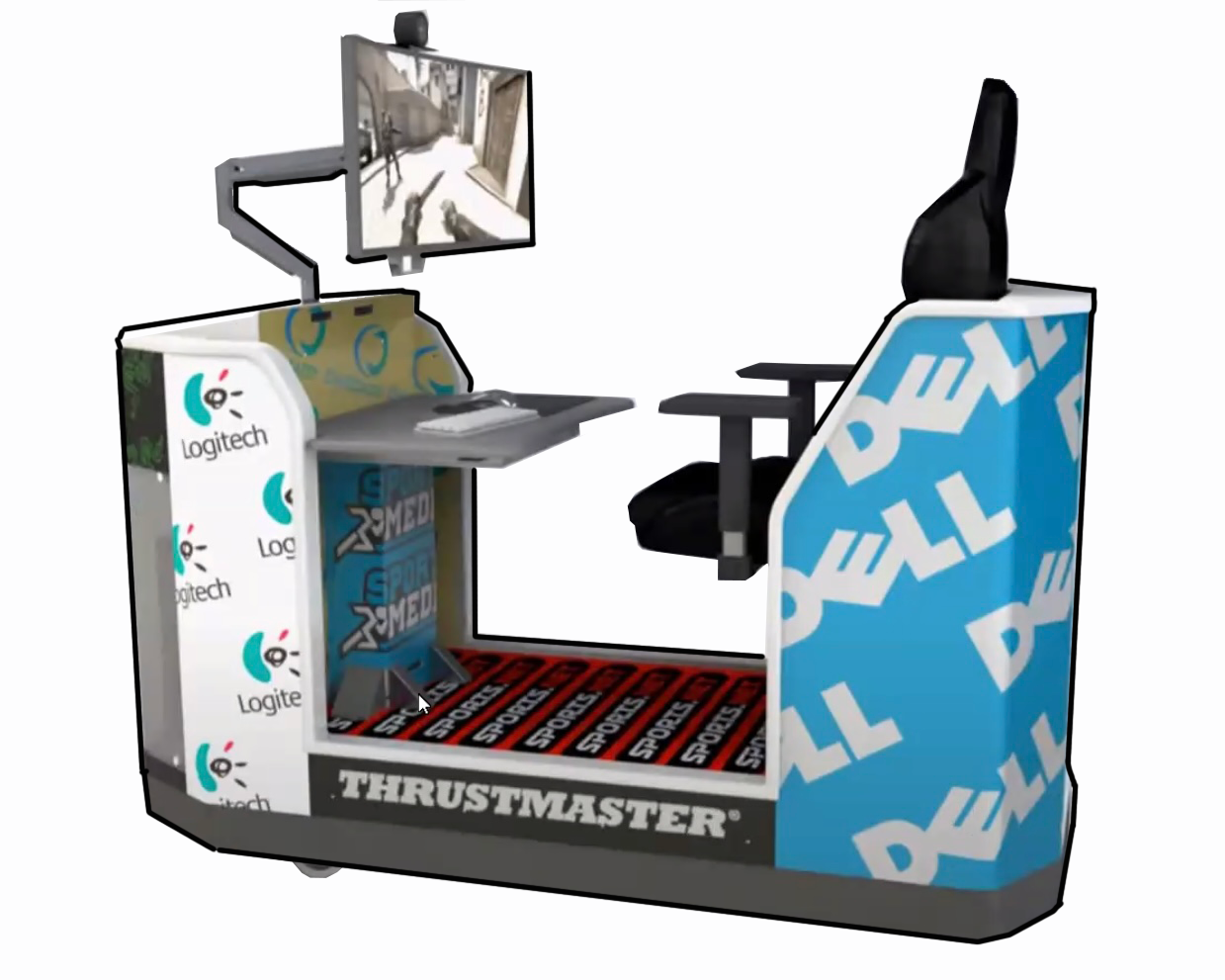
The most innovative approach involves treating your team members as creators. Staff who understand your brand deeply can produce authentic content that resonates with specific audiences. This works particularly well in educational contexts, where esports pods in high schools create natural content opportunities while providing sponsorship value for brands seeking to reach student audiences.
Video podcasts have become standard formats because they serve multiple purposes simultaneously: audio content for listeners, video content for viewers, and dozens of clips for social distribution. One recording session produces content across multiple platforms and formats.
Practical Applications Across Your Portfolio
The beauty of integrated digital media strategy is how principles scale across sectors. A programmatic DOOH campaign running in sports venues uses the same technology stack as transit advertising or zoo wayfinding. The creative and messaging change, but the infrastructure remains consistent.
For ESG initiatives, digital media provides measurement and storytelling opportunities that were previously difficult to quantify. You can track engagement with sustainability messaging, demonstrate impact through data visualization, and create transparent reporting that builds stakeholder trust.
Logistics communications benefit from the same real-time optimization and personalization that powers entertainment recommendations. Supply chain partners get relevant updates at the right time through the right channels, improving efficiency and reducing friction.
Building Your Integrated Digital Media Ecosystem
Starting with unified infrastructure makes everything else easier. Begin by auditing your current tech stack across all properties. Identify redundancies, gaps, and integration opportunities. The goal is creating systems that share data, insights, and capabilities while remaining flexible enough to serve each sector's unique needs.
Invest in platforms that support cross-functional workflows. Your media planning should accommodate both traditional and digital channels. Your measurement should capture outcomes across touchpoints. Your content management should enable efficient production and distribution regardless of format or platform.
Most importantly, build teams that understand integration. Silos form organizationally as easily as technologically. Create structures that encourage collaboration between sectors, sharing what works and learning from what doesn't.
Your Next Steps
Digital media innovation isn't a destination, it's an ongoing evolution. The brands that win across multiple sectors are those that build adaptable systems, invest in unified data and measurement, and maintain focus on outcomes rather than outputs.
Whether you're looking to scale sports media operations, optimize logistics communications, create entertainment properties, or activate ESG initiatives, the principles remain consistent: integrate your technology, unify your data, measure what matters, and create content that resonates authentically with each audience.
Ready to build a digital media strategy that scales across your entire portfolio? Dakdan Worldwide specializes in helping multi-sector brands create integrated solutions that drive measurable results.
Let's talk about your digital media innovation strategy.
Contact Dan Kost directly at Dan@dakdan.com or call (970) 436-0580. For general inquiries, reach our team at info@dakdan.com or +1 (970) 578-4652.
Visit dakdan.com to explore our full range of media, consulting, and production solutions. Follow our latest insights at press.dakdan.com.