
Most large-scale productions fail before they even start. Not because of bad ideas or insufficient budgets, but because teams skip the strategic foundation and jump straight into execution mode. The result? Budget overruns, misaligned stakeholders, and events that look impressive but deliver zero measurable business results.
Here's the truth: creative production isn't just an artistic exercise. When you're executing stadium events, producing TV shows, or launching brand activations, you're running a strategic business function that needs the same rigor as any other revenue-generating operation.
At Dakdan Worldwide, we've built our media and consulting solutions around a proven framework that transforms creative chaos into conversion-focused results. This framework doesn't rely on luck or subjective "creative genius." It's built on strategic discipline, stakeholder alignment, and real-time measurement.
Why Traditional Creative Production Approaches Fall Short
The conventional approach treats creative production as a linear process: come up with an idea, get budget approval, execute, and hope for the best. This model worked when brand activations were judged solely on attendance numbers or social media impressions.
But today's stakeholders demand more. Sponsors want to see activation ROI. Network executives need viewership data that justifies production costs. Stadium operators require proof that events drive ticket sales and concession revenue.
That's where most agencies and in-house teams struggle. They're optimized for aesthetics, not outcomes.
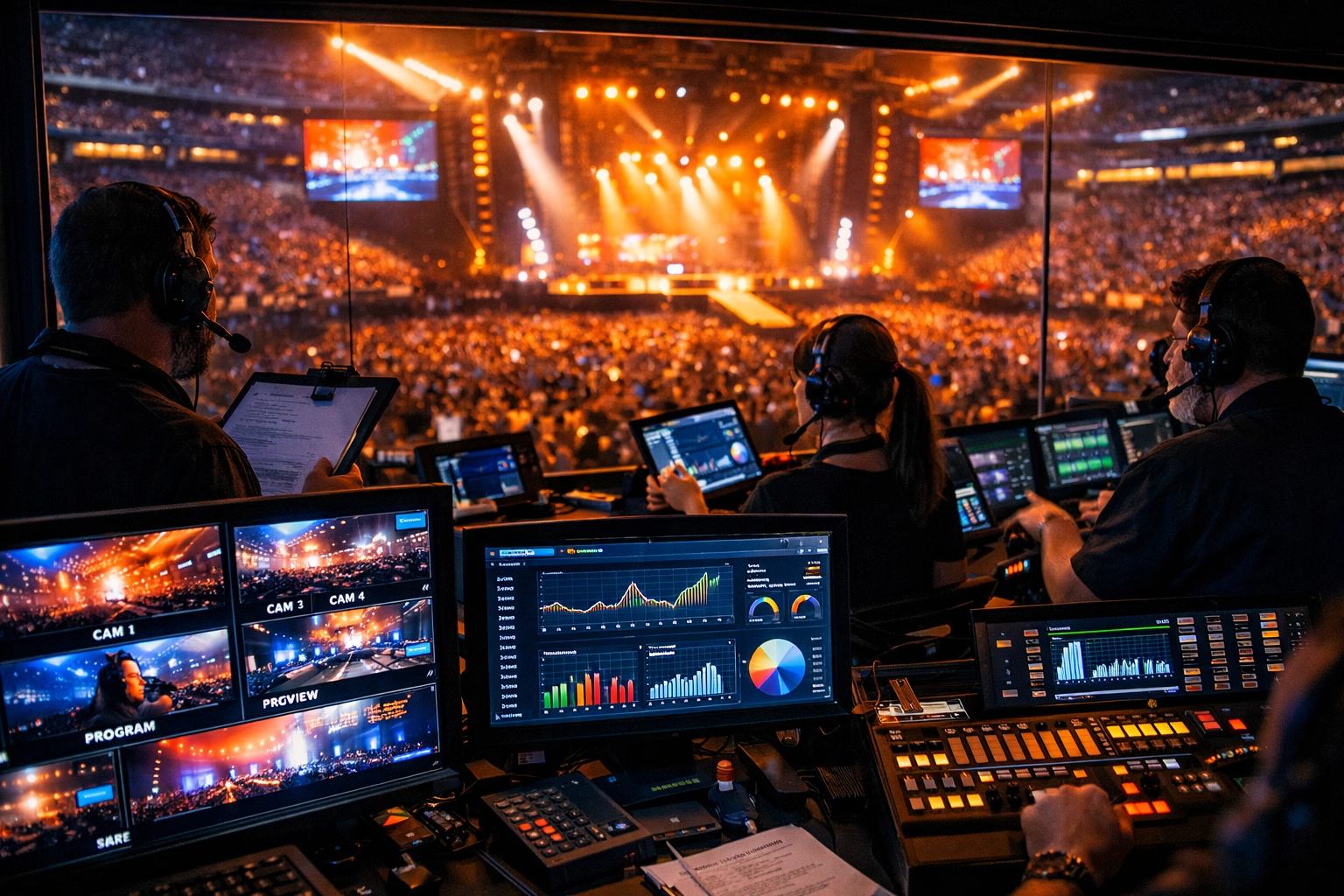
The Six-Phase Framework That Actually Delivers Results
Phase 1: Strategic Ideation and Stakeholder Alignment
Before a single creative brief gets written, you need clarity on three critical questions:
What problem are you solving? Every production must address a specific business challenge. Building brand awareness for a new sponsor? Driving season ticket renewals? Launching a product to a captive audience? Your creative concept should directly address this challenge, not just create something visually impressive.
Who owns what decisions? Define roles with precision. Who approves budget changes? Who makes creative decisions? Who manages vendor relationships? For complex productions involving multiple locations or simultaneous activations, ambiguity kills momentum.
What does success look like? Establish measurable KPIs upfront. If you're producing a halftime show at a stadium, success might mean 85% audience retention during the break, 10,000 social media engagements, and 500 post-event merchandise sales. Define these metrics before production begins.
Phase 2: Pre-Production Planning and Resource Allocation
This is where strategic discipline separates professional operations from amateur hour. Pre-production planning means building a centralized project management system that provides real-time visibility across every workstream.
Your production timeline should include buffer periods for the inevitable surprises. Vendor delays happen. Weather impacts outdoor events. Talent gets sick. Build contingencies into your schedule and budget from day one.
Resource allocation goes beyond just assigning team members to tasks. Consider your technology infrastructure. If you're executing brand activations across multiple venue locations, do you have the digital signage network and content management systems to push updates in real-time?
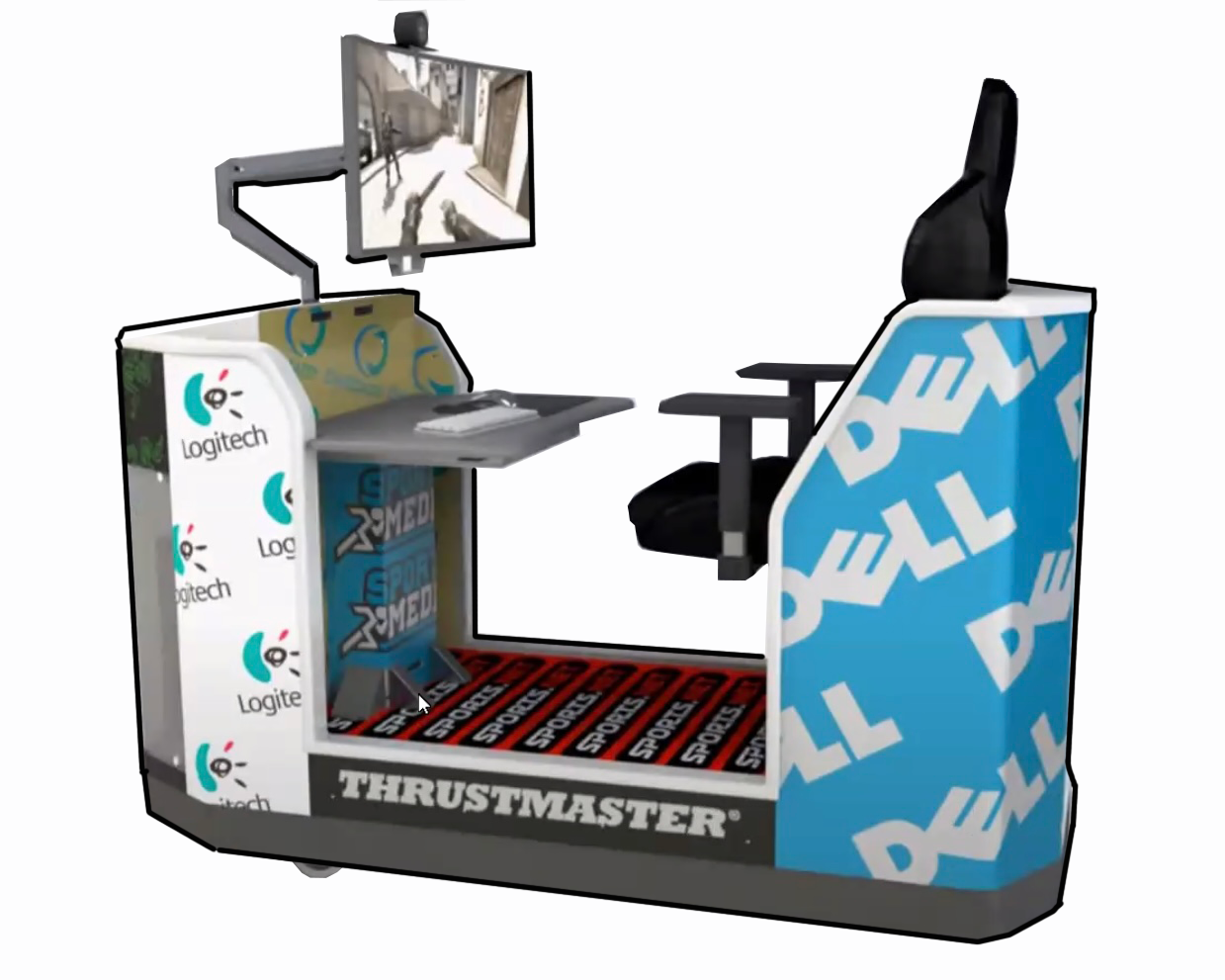
This is where solutions like esports gaming pods become strategic assets, not just cool installations. When you're activating at high schools or community venues, these branded environments become controllable production spaces with integrated sponsor visibility and measurable engagement metrics.
Phase 3: Creative Development and Content Production
Now you can let the creative team do what they do best, but within strategic guardrails. Your creative development should ladder up to the business objectives you defined in Phase 1.
If you're producing a TV show, your content strategy should account for distribution channels beyond traditional broadcast. How does each segment perform on streaming platforms? What clips work best for social media amplification? Build content packages, not just episodes.
For stadium events, think beyond the main activation. What are the pre-event touchpoints? How do you prime the audience before they arrive? What's the post-event follow-up sequence that turns attendees into customers?
Phase 4: Production Execution and Real-Time Monitoring
Execution is where your pre-production planning pays dividends. With centralized systems in place, your team can monitor production progress across multiple locations simultaneously.
Real-time monitoring isn't about micromanagement. It's about early problem detection. When your digital signage network shows lower-than-expected engagement at one venue, you can adjust content or positioning before the next event cycle. When social media sentiment shifts during a live activation, your team can respond immediately.
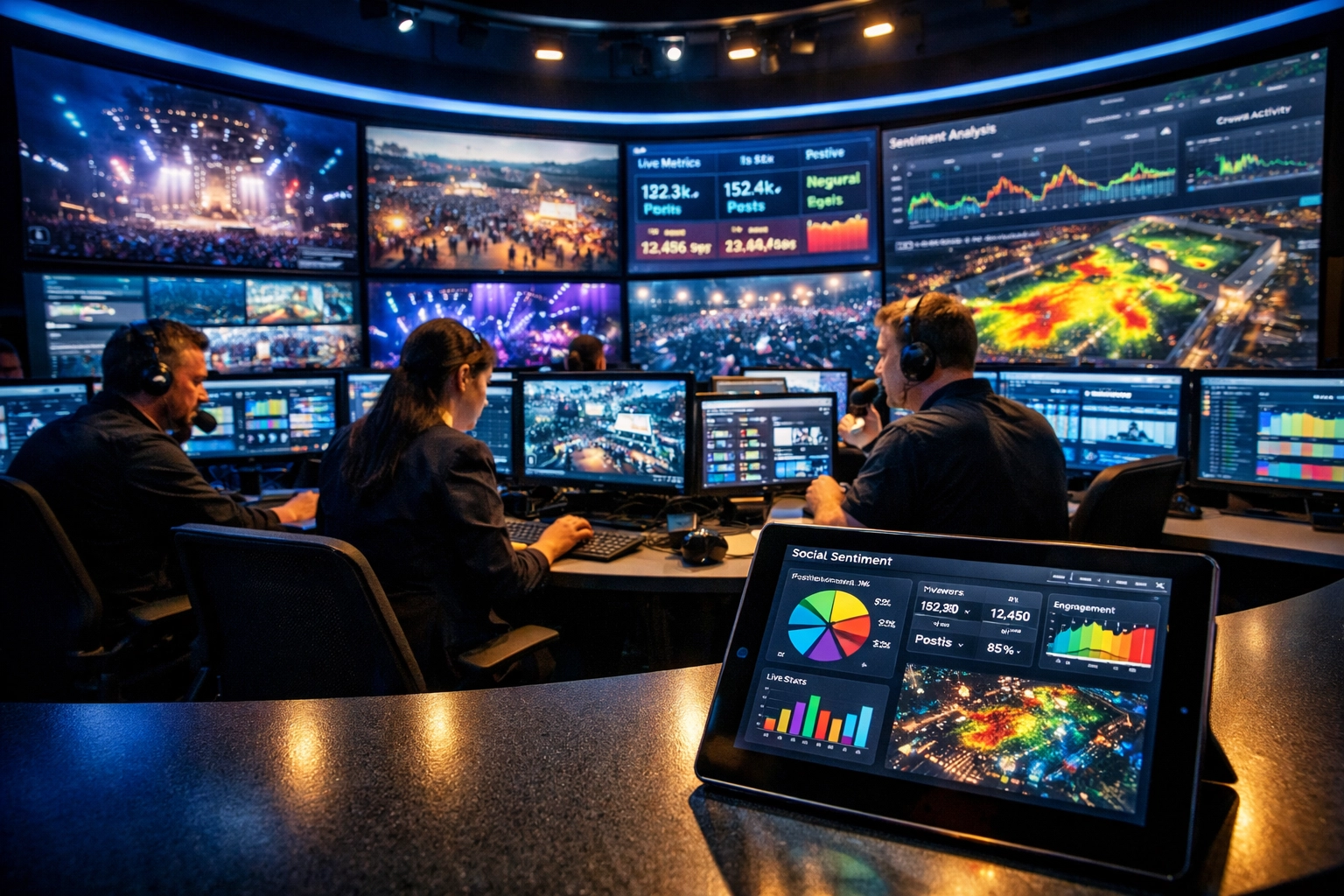
This is particularly critical for brand activations that span multiple days or locations. Your framework should allow for rapid iteration based on early performance data.
Phase 5: Post-Production and Multi-Channel Activation
The event might be over, but the activation is just beginning. Post-production transforms your one-time event into ongoing marketing assets.
Every stadium event generates content that can fuel your brand's marketing engine for months. Game highlights become social media content. Behind-the-scenes footage becomes sponsor activation materials. Attendee testimonials become case studies for future partnerships.
For TV productions, post-production includes creating clip packages optimized for different platforms. A 60-minute episode might generate 20 different content pieces, each tailored for specific audience segments and distribution channels.
Phase 6: Measurement, Analysis, and Framework Optimization
This phase separates strategic operations from one-off events. You're not just measuring whether you hit your KPIs, you're analyzing why certain elements performed better than others and how to optimize the framework for future productions.
Did your pre-event social media campaign drive higher attendance than expected? Document what worked and build it into your playbook. Did certain sponsor placements generate more engagement than others? Use that data to inform future partnership proposals and pricing models.

This continuous optimization approach is how you build competitive advantages. Your framework becomes smarter with each execution, and your clients get better results over time.
Real-World Applications Across Dakdan's Solutions
This framework isn't theoretical. It's how Dakdan Worldwide executes media productions, consulting engagements, and brand activations across sports, entertainment, and advertising verticals.
When we deploy esports gaming pods in high schools, we're not just installing equipment. We're creating controlled production environments where brand sponsors can reach students through educational programming, competitive gaming events, and community activations, all with built-in measurement systems.
When we consult on stadium events, we're bringing this same framework to venue operators who need to maximize sponsorship value, increase attendance, and create memorable experiences that drive season ticket renewals.
When we produce media content, we're building distribution strategies from day one, ensuring every production dollar generates maximum reach and measurable business impact.
Your Next Steps: Implementing This Framework
The difference between impressive events and conversion-focused productions comes down to strategic discipline. You can have the biggest budget, the most talented creative team, and the best venue access, but without a proven framework, you're gambling with stakeholder resources.
The good news? This framework is implementable regardless of your current production capabilities. Whether you're planning your first brand activation or optimizing an existing event series, these six phases provide the structure you need to deliver measurable results.
Ready to transform your creative production approach? Dakdan Worldwide's media and consulting solutions bring this framework to organizations across sports, entertainment, and advertising industries. We've helped brands, venues, and media companies execute productions that don't just look good, they convert audiences into customers and sponsors into long-term partners.
Contact us today to discuss your next production:
📧 Email: info@dakdan.com
📞 Phone: +1 (970) 578-4652
🌐 Website: dakdan.com
Connect with us:
LinkedIn | Twitter | Instagram | Facebook
Learn more about our solutions at dakdan.com/about or explore our latest insights at press.dakdan.com.
Strategic production planning starts with the right framework. Let's build yours together.