
The sports and entertainment industry sits on a goldmine. We're talking about $6.7 billion in media assets – everything from stadium signage and digital displays to branded content libraries and sponsorship activation materials. But here's the thing: most organizations struggle to extract real value from these assets because they lack a centralized system to manage, track, and optimize them.
Media Asset Management (MAM) isn't just another tech buzzword. It's the strategic framework that transforms scattered digital files into revenue-generating, brand-building powerhouses. Whether you're managing venue partnerships, activating sponsorships, or coordinating multi-platform campaigns, the right MAM approach determines whether your assets collect digital dust or drive measurable results.
Why Media Asset Management Changes Everything for Sports and Entertainment
Think about the typical workflow at a sports venue or entertainment property. You've got multiple departments creating content – marketing teams producing promotional materials, venue operations capturing event footage, corporate partnerships developing sponsor activation content, and digital teams managing social media assets. Without a centralized system, these assets exist in silos.
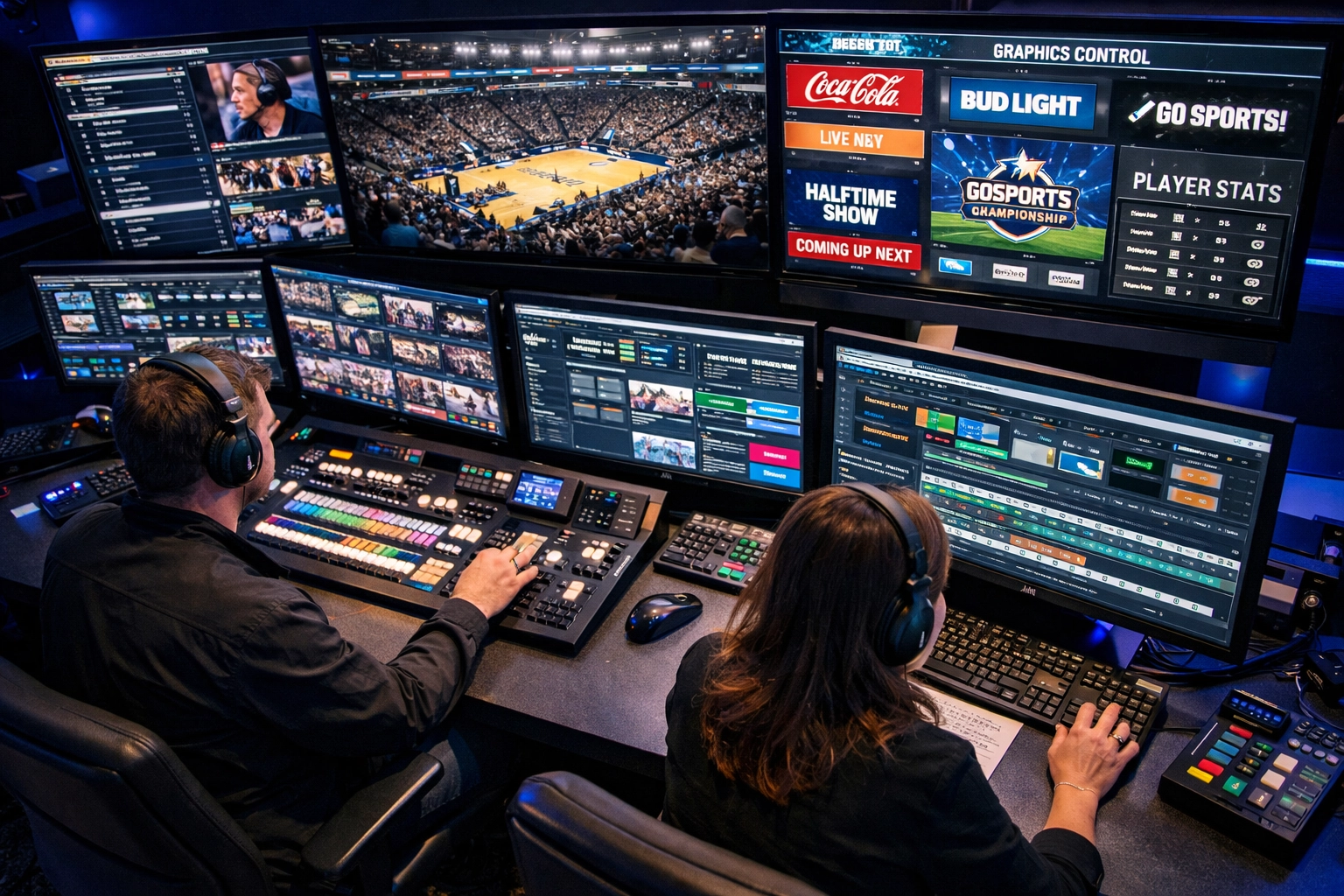
A production team in Colorado might recreate graphics that already exist in a folder somewhere in New York. A brand partnership manager might use outdated logo files because they can't access the latest approved versions. Sponsorship opportunities get missed because teams can't quickly pull together the right assets to pitch new partners.
Media Asset Management solves this by creating a single source of truth. Every approved logo, every rights-cleared video clip, every sponsor package template lives in one accessible, searchable system. The impact? Faster campaign launches, better brand consistency, and the ability to prove ROI on every asset you create.
The Core Components of High-Performance MAM Systems
Effective media asset management in sports and entertainment requires more than just cloud storage. You need a strategic system built on five essential pillars.
Centralized Digital Library: Every asset – from 30-second sponsor spots to high-resolution venue photography – gets properly tagged, categorized, and stored with comprehensive metadata. This means your team can find exactly what they need in seconds, not hours.
Rights Management Integration: In the sports and entertainment world, licensing and rights management can make or break a campaign. Your MAM system needs to track usage rights, expiration dates, and territorial restrictions automatically. When a sponsor's contract term ends, the system flags or restricts access to their branded assets.
Workflow Automation: From approval chains to distribution schedules, automation keeps content moving. When a new esports tournament sponsor comes onboard, automated workflows can trigger asset creation requests, route approvals, and schedule deployment across digital signage networks.
Analytics and Performance Tracking: The best MAM systems connect asset usage to business outcomes. Which sponsor assets generate the most engagement? Which venue marketing materials drive ticket sales? These insights transform asset management from a backend function into a strategic advantage.
Multi-Platform Distribution: Your assets need to flow seamlessly to wherever they're needed – stadium LED boards, mobile apps, social platforms, broadcast partners, or esports streaming setups. Integration capabilities determine how quickly you can activate campaigns across channels.
Turning Assets Into Revenue: The ROI Framework
Here's where media asset management transitions from operational efficiency to strategic value creation. Every asset in your system represents potential revenue, but only if you can activate it effectively.
Sponsorship Maximization: When you can quickly demonstrate how a brand's assets perform across your venue network, digital platforms, and event activations, you strengthen renewal conversations and justify premium pricing. MAM systems provide the data trail that shows sponsors exactly what they're getting.
Content Repurposing at Scale: A single piece of content – let's say game highlights or a behind-the-scenes interview – can be reformatted, resized, and redistributed across dozens of platforms. With proper asset management, you multiply the value of every production investment.
Reduced Production Costs: When teams can quickly locate and reuse existing assets instead of recreating them, production budgets stretch further. The industry average shows organizations reduce content creation costs by 30-40% with effective MAM implementation.
Faster Time-to-Market: In sports and entertainment, timing matters. The ability to launch a campaign within hours instead of days can mean the difference between capitalizing on a trending moment and missing the window entirely.

Practical Applications: From Stadium Signage to Educational Esports
Let's get specific about how media asset management creates value across different contexts.
Stadium and Venue Networks: Modern venues operate like media companies, with dozens of digital displays requiring fresh, rights-appropriate content. MAM systems coordinate what appears where, ensuring sponsor commitments get fulfilled and content stays current without manual coordination.
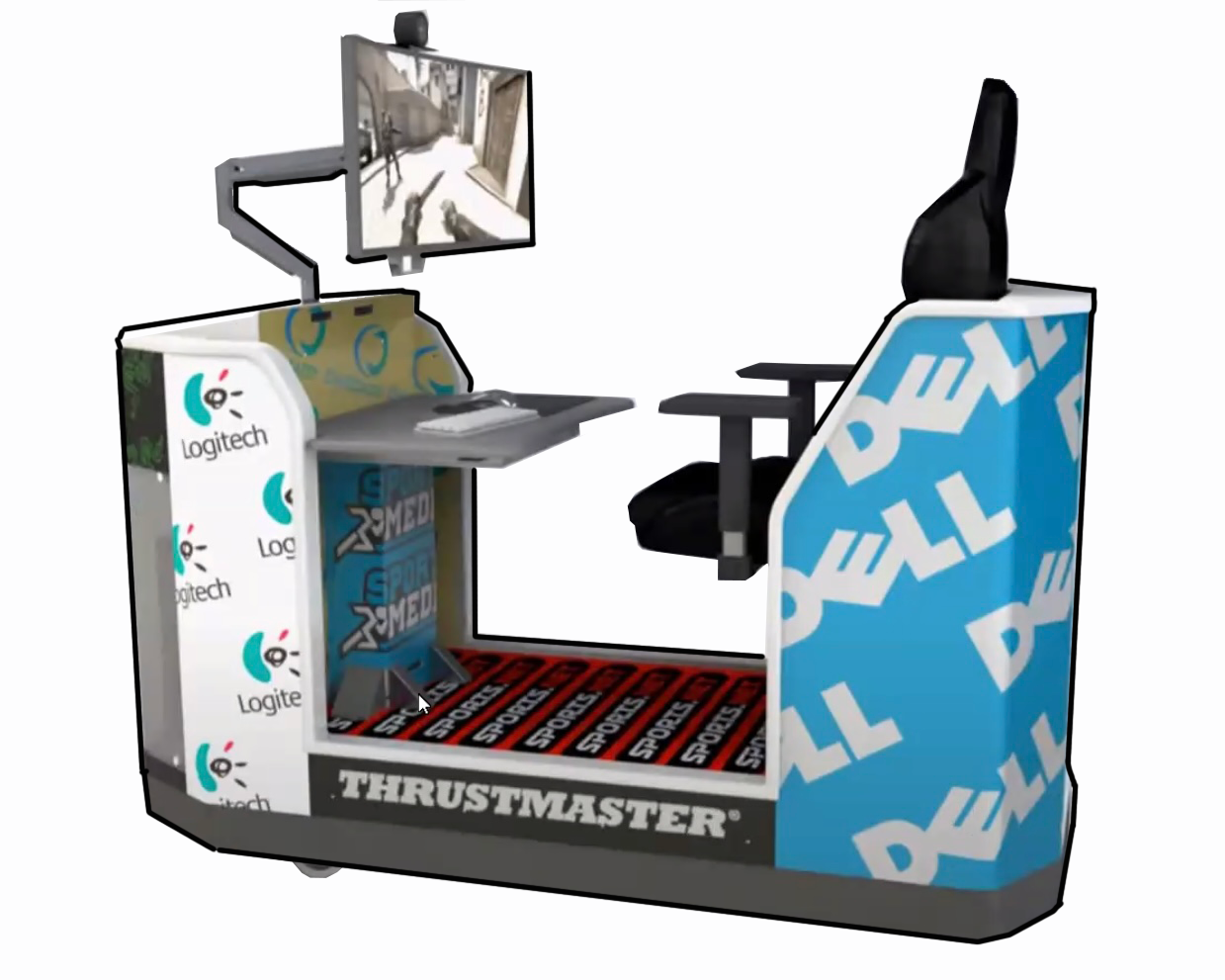
Educational Esports Programs: High schools are increasingly investing in esports programs, creating new opportunities for brands to connect with student audiences. Custom esports gaming pods become platforms for sponsor integration, but only when asset management systems can coordinate branding across physical installations and digital content.
These educational environments offer unique value because they combine long-term visibility with highly engaged audiences. Brands that sponsor esports pods in schools gain sustained exposure while supporting educational initiatives. The key is managing those brand assets – logos, color schemes, messaging – consistently across potentially hundreds of installations.
Multi-Event Coordination: Organizations managing multiple properties or events simultaneously need to ensure brand consistency while allowing for event-specific customization. A robust MAM system enables both, with templates and asset libraries that can be adapted without compromising brand standards.
Content Monetization: When your asset library is properly organized and tagged, you can identify licensing opportunities. That venue footage you captured last season? It might have value to broadcast partners, documentary producers, or corporate clients looking for authentic sports content.
Building Your Strategic MAM Approach
Implementing media asset management successfully requires more than selecting software. It demands a strategic approach that aligns with your business objectives.
Start by auditing your current asset ecosystem. Where do assets live today? Who creates them? Who needs access? What rights and compliance requirements apply? This foundation informs your system requirements and implementation roadmap.

Next, establish governance frameworks. Define naming conventions, metadata standards, approval workflows, and access permissions. These protocols ensure your system stays organized as it scales.
Integration planning is critical. Your MAM system should connect with existing tools – CRM platforms, digital signage networks, social media management systems, and analytics platforms. Seamless data flow between systems multiplies the value of your investment.
Finally, invest in training and adoption. The most sophisticated system delivers zero value if teams don't use it correctly. Build champions within each department who can demonstrate value and drive consistent usage.
The Competitive Advantage of Strategic Asset Management
Organizations that master media asset management gain advantages that compound over time. They move faster, activate sponsorships more effectively, and extract more value from every content investment.
In an industry where margins matter and competition intensifies, the ability to transform $6.7 billion in assets into measurable ROI isn't optional. It's the difference between organizations that maximize their media properties and those that leave value on the table.
The strategic approach combines technology, process, and people. It requires commitment from leadership and adoption across departments. But the payoff – increased revenue, reduced costs, stronger partnerships, and better brand experiences – makes it one of the highest-impact investments organizations can make.
Ready to transform your media assets into measurable ROI? Dakdan Worldwide specializes in media consulting, venue marketing solutions, and sponsorship activation strategies that drive results across sports, entertainment, and educational environments. Our team helps organizations implement strategic asset management frameworks that turn content libraries into revenue engines.
Contact us today:
Email: info@dakdan.com
Phone: +1 (970) 578-4652
Website: dakdan.com
Connect with us on social media and explore how our consulting solutions can unlock the full potential of your media assets. Whether you're managing stadium networks, activating sponsorships, or building educational esports programs, we bring strategic expertise that delivers measurable outcomes.
Visit dakdan.com/contact to schedule a consultation and discover how strategic media asset management can transform your organization's performance.