
Look, we've all been to those events. You know the ones – where the stage looks amazing, the lighting is on point, but somehow the whole thing just… falls flat. The audience checks their phones. The message doesn't land. The ROI becomes a guessing game.
Here's the truth: creative production that converts isn't about throwing money at fancy equipment or hiring the biggest names. It's about strategic alignment, intentional design, and understanding that every element of your event serves a purpose beyond "looking cool."
At Dakdan Worldwide, we've spent years perfecting the art and science of event production across media, sports, entertainment, and advertising. This guide breaks down exactly what separates events that convert from events that just consume budget.
Start With Strategy, Not Aesthetics
The biggest mistake in event production? Starting with "what looks good" instead of "what we're trying to accomplish."
Before you even think about stage design or video walls, define your measurable objectives. What specific outcome are you driving toward? Brand awareness? Lead generation? Partnership activation? Product launch momentum?
Your goals dictate everything else. They inform your team structure, budget allocation, content strategy, and audience engagement approach. A corporate keynote requires a completely different production approach than a sports sponsorship activation or an entertainment showcase.
This foundational clarity allows you to design a tailored experience that actually resonates with your audience's needs and expectations. Without it, you're just guessing and hoping something sticks.
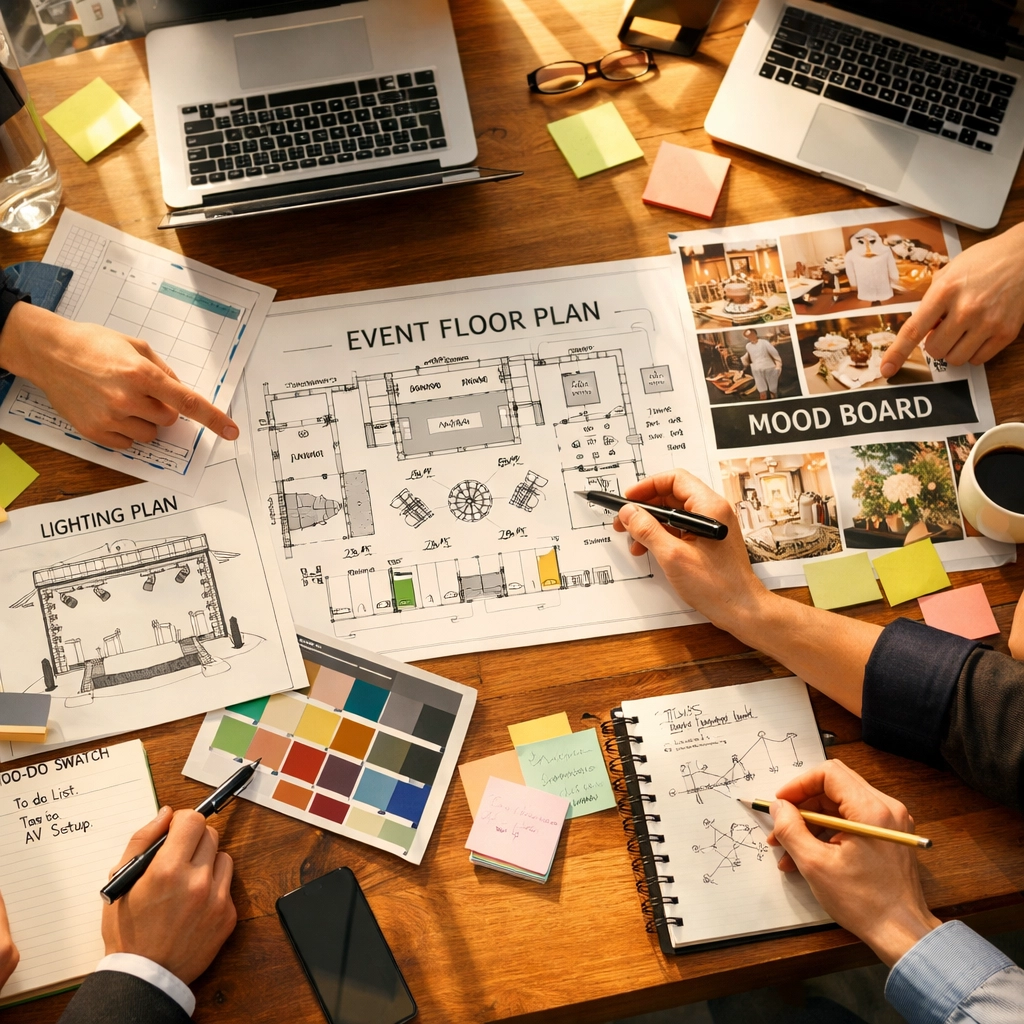
Assemble the Right Creative Team
Great events don't happen by accident. They happen when the right specialists collaborate toward a unified vision.
Your core creative production team should include:
Creative Director – Sets the overall narrative and ensures every element supports your strategic goals. This person translates business objectives into experiential storytelling.
Art Director – Maintains design consistency and visual quality across all touchpoints. From stage design to presentation decks, everything should feel cohesive.
Executive Producer – Bridges the gap between creative ambition and practical execution. They manage budgets, timelines, and logistics while protecting the creative vision.
Motion and Graphic Designers – Build the visual content that communicates your message. Animations, graphics, and presentation materials that actually enhance understanding rather than distract.
Scenic Designer – Creates the physical environment that immerses your audience in the experience. The stage isn't just a platform, it's a storytelling device.
Technical Director – Integrates all AV elements seamlessly. When lighting, sound, video, and staging work in perfect harmony, your audience never notices the technology. They just feel the impact.
The collaborative chemistry among these professionals transforms competent events into unforgettable experiences. At Dakdan Worldwide, our multi-disciplinary approach ensures every angle is covered.
Treat AV Strategy as Architecture, Not Afterthought
Here's where most event production goes sideways: treating audio-visual strategy as a technical detail to figure out "later."
Your AV strategy should be a co-architect of your event experience from day one. Event production isn't plug-and-play. When you loop in AV partners after the creative is locked, you inevitably face compromises. Beautiful ideas that can't be executed. Last-minute pivots under pressure. Budget overruns.
Budget allocation typically follows a 70% allocation to fixed production costs – equipment, labor, rigging, technical execution. The remaining 30% supports creative elements. Understanding this split early helps you design within reality rather than against it.
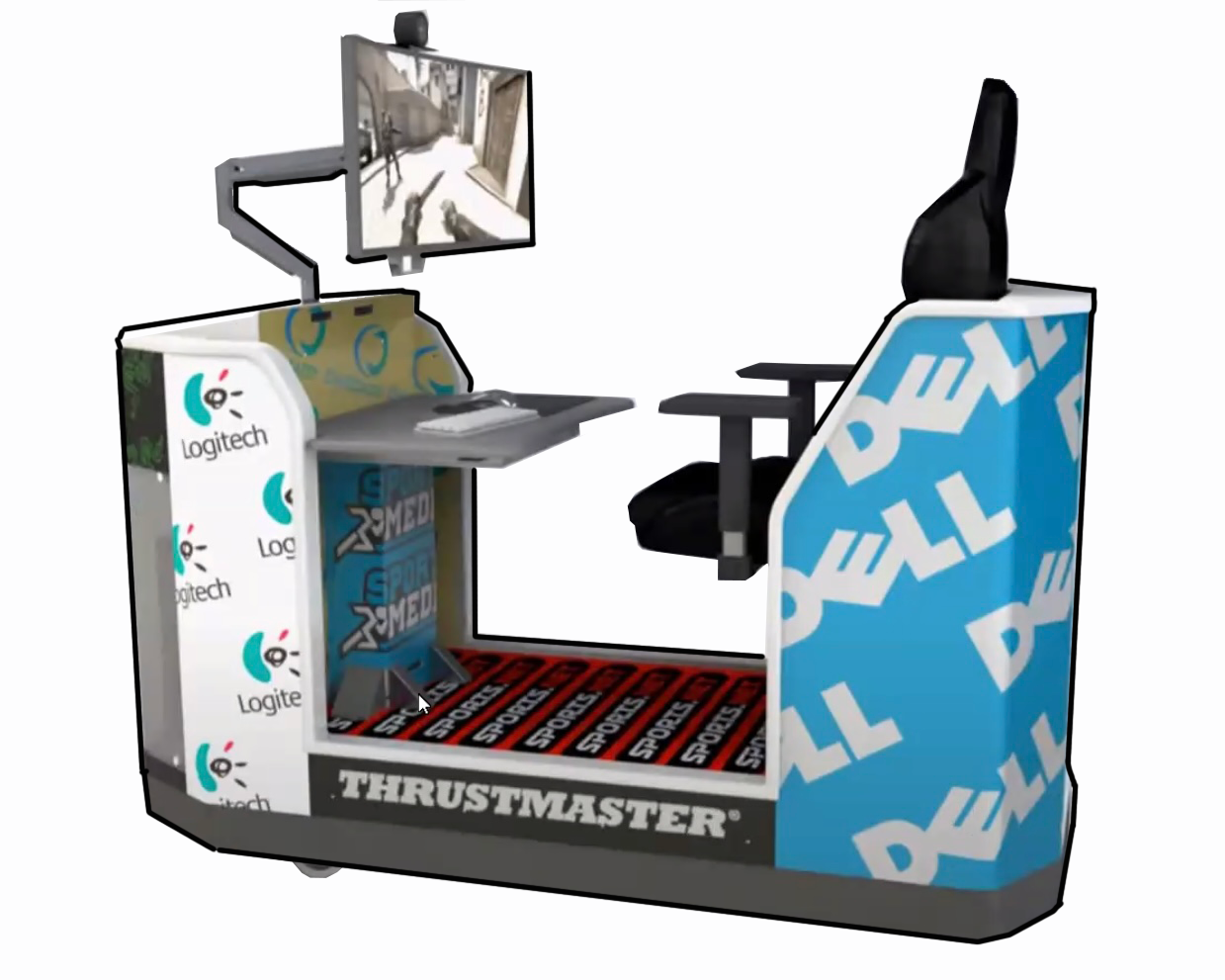
Consider how different AV choices impact your message:
Lighting directs attention and sets emotional tone. Strategic lighting design can make a speaker feel intimate or commanding, energetic or contemplative.
Video Walls establish context and reinforce key messages. But bigger isn't always better. The right size and placement matter more than sheer scale.
Camera Blocking influences how presenters move and interact. Your technical setup should enable natural communication, not restrict it.
Scenic Elements shape audience perception before anyone speaks. First impressions happen at setup, not at showtime.
These aren't decorative choices. They're conversion tools when used strategically.
Design Elements That Actually Drive Impact
Effective stage design incorporates innovative lighting, impactful visuals, and thoughtful layouts that focus attention and amplify your message.
Every design decision should answer two questions: Does this support our objectives? Does this resonate with our brand identity?
Visual consistency matters. When your event design aligns with your broader brand guidelines, you create recognition and trust. When it contradicts your brand positioning, you create confusion.
Flexibility matters too. Events have changing dynamics. Presentations run long. Speakers go off-script. Technical issues arise. Your design should adapt gracefully rather than breaking under pressure.
The best event designs feel intentional but effortless. The audience shouldn't be thinking about your production choices. They should be focused entirely on your message.
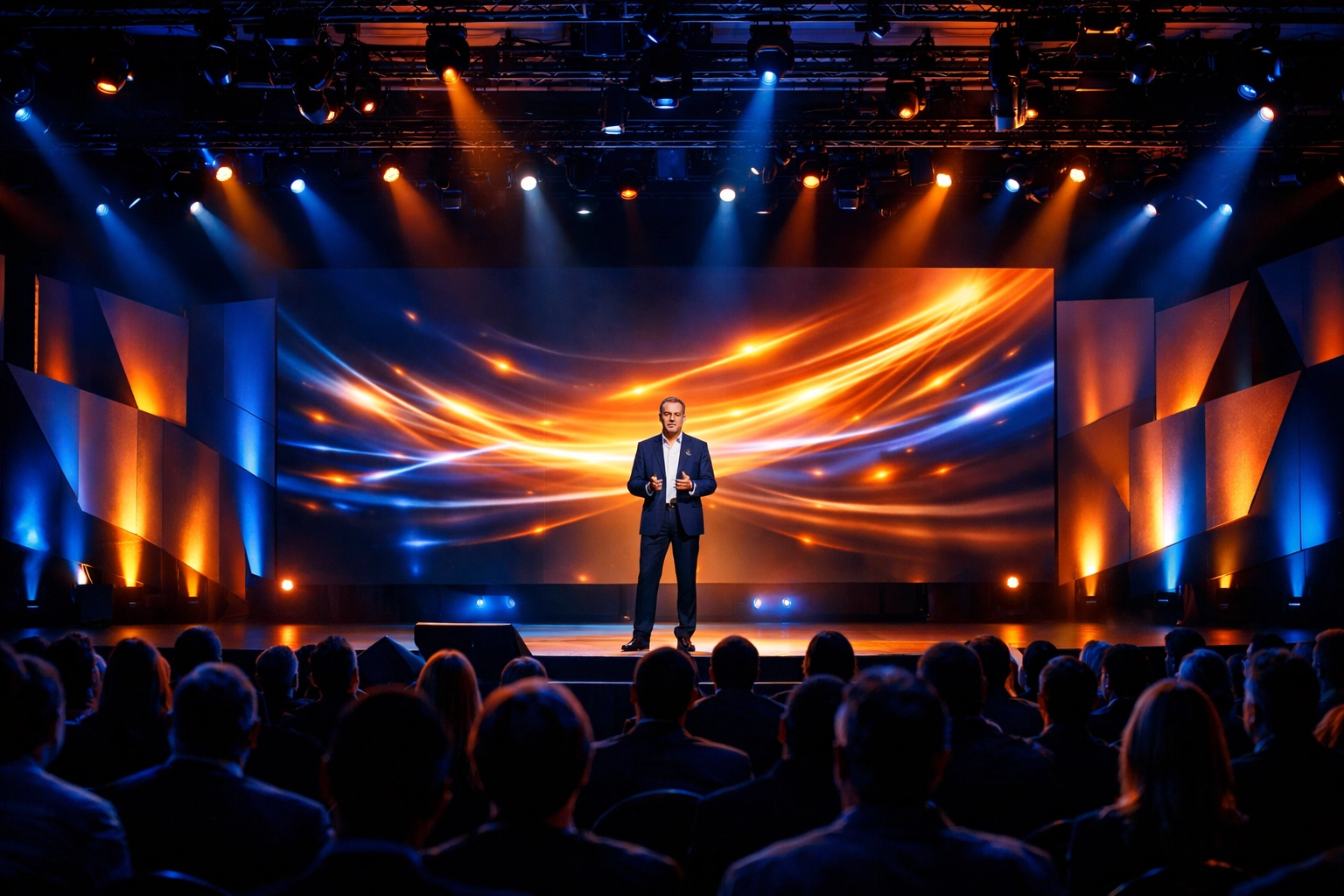
Content That Captivates and Converts
High-quality, thoughtfully crafted content drives home key messages and creates lasting impact beyond the event itself.
Video Content tells compelling stories and conveys complex ideas in digestible formats. Strategic video placement throughout your event maintains engagement and reinforces themes.
Graphics add visual appeal and highlight important points. Well-designed graphics don't just decorate – they clarify, emphasize, and guide understanding.
Presentations should guide narrative flow clearly and effectively. Death by PowerPoint is real, but so is presentation excellence when content is designed for comprehension rather than completeness.
Beyond live elements, content marketing creates value before your event even begins. Publish thought leadership pieces, host preparatory webinars, and create anticipation through social channels. This positions your event as part of a larger conversation rather than an isolated moment.
Strategic partnerships with industry experts as speakers or brand ambassadors significantly enhance visibility and credibility. The right voices amplify your message far beyond your owned channels.
Execute With Precision
Master scheduling requires meticulous planning measured in minutes, not hours.
Vendor Selection – Partner with proven, reliable providers for audio, lighting, video, and staging. This isn't the place to experiment with untested relationships.
Equipment Rentals – Source specific gear needed to execute your technical script. Generic approaches produce generic results.
Crew Booking – Hire seasoned technicians who execute flawlessly under pressure. Event day isn't training day.
Timeline Generosity – Build generous time blocks for setup, rehearsal, and contingency. If your schedule feels tight during planning, it will break during execution.
Pro insight: Stagger vendor deliveries to avoid overcrowding and keep operations smooth. When everyone arrives simultaneously, chaos follows.

Engage Your Audience Intentionally
Build anticipation before the event through targeted campaigns, interactive content, and personalized communications. Event apps facilitate early connections among attendees and provide valuable logistical information.
During the event, leverage interactive technologies strategically. Live polling, Q&A sessions, and social media integration encourage participation when used purposefully. Random interaction for interaction's sake dilutes focus.
Gamification elements add engagement to networking and learning experiences, but they should enhance rather than overshadow your core objectives.
Post-event, analyze what worked and what didn't through attendee insights and behavioral data. Use these learnings to refresh storytelling, scenic designs, and engagement strategies for subsequent events.
Avoid "Same As Last Year" syndrome. Each event should build on previous successes while addressing previous gaps. Create a robust feedback loop that turns every event into a stepping stone toward greater achievements.
The Conversion-Focused Approach
At Dakdan Worldwide, we believe event production excellence comes down to strategic alignment at every level. When goals, team, technology, design, content, and execution all work toward unified objectives, conversion becomes inevitable.
Creative production that converts isn't magic. It's methodology.
Ready to create events that actually drive results? Let's talk about your next production. Our team brings deep expertise across media, consulting, advertising, entertainment, and sports to every project.
Contact Dakdan Worldwide
📧 info@dakdan.com
📞 +1 (970) 578-4652
🌐 dakdan.com
Connect with us on social media and join the conversation at #askdakdan. We're here to help you turn event vision into measurable impact.