
The sports marketing landscape has shifted dramatically over the past few years. What worked in traditional broadcast environments doesn't translate cleanly to digital platforms, and agencies that understand this difference are the ones winning partnerships and driving measurable results.
At Dakdan Worldwide, we work with sports organizations, entertainment brands, and marketing agencies across multiple sectors to build media strategies that actually deliver. This guide breaks down the digital innovations reshaping sports marketing and how agencies can leverage them to create competitive advantages.
Streaming Platforms Are Redefining Audience Engagement
Broadcast television still matters, but streaming has fundamentally changed how audiences consume sports content. The numbers tell the story: streaming sports documentaries reached nearly 17 billion total viewing minutes in 2024, more than doubling the engagement from just three years earlier.
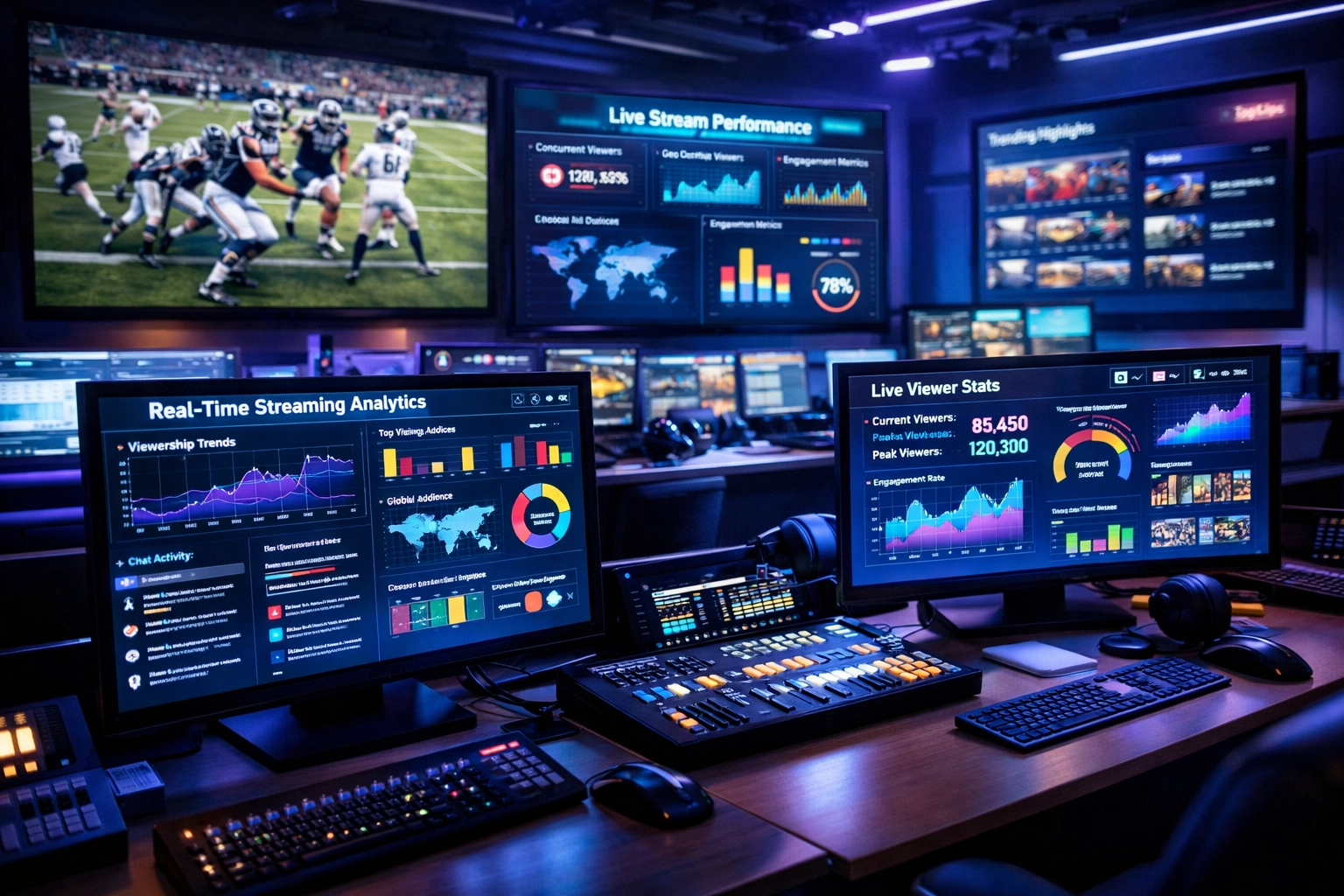
What does this mean for agencies? First, demographics differ significantly between broadcast and streaming viewers. Understanding these differences allows you to design activation strategies that match where your target audience actually spends time. Second, streaming platforms offer engagement opportunities that traditional broadcast can't match. Interactive elements, multi-angle viewing, personalized commentary tracks, and real-time stats overlays create deeper fan experiences.
The most successful agencies build multiplatform strategies that recognize these differences. A sponsorship activation designed for a linear broadcast won't resonate the same way on a streaming platform where viewers expect control, customization, and interactivity.
Data-Driven Strategy Separates Leaders from Followers
Every digital touchpoint generates data. Smart agencies use this information to drive decisions rather than relying on gut instinct or historical precedent alone.
Fan behavior analytics reveal patterns about when audiences engage, what content formats hold attention, and which touchpoints drive conversion. Agencies that understand these patterns can optimize sponsorship placements, design better content calendars, and demonstrate clear ROI to brand partners.
Real-time measurement capabilities have transformed sponsorship evaluation. You no longer need to wait weeks after an event to understand performance. Modern platforms provide immediate feedback on audience impact, engagement metrics, and brand exposure value during live events.
This data-driven approach extends beyond measurement into strategy development. By analyzing historical performance data, agencies can identify the highest-value opportunities for brands, predict audience response to different activation approaches, and build proposals backed by evidence rather than assumptions.

AI Tools Are Automating Technical Tasks and Amplifying Creativity
Artificial intelligence has moved from buzzword to practical tool across sports marketing operations. The technology excels at handling repetitive technical tasks, freeing human teams to focus on strategy and creative execution.
HD streaming with advanced analytics has become the baseline expectation. Platforms now deliver 1080p streams with live play-by-play context, comprehensive statistics, and multi-angle camera integration as standard features. AI-powered systems handle much of this automation, from camera switching to highlight generation.
Postgame content production that once required editing teams and hours of work now happens automatically. AI tools can identify key moments, compile highlight reels, and distribute them across platforms minutes after games end. This speed creates opportunities for real-time social engagement and keeps audiences connected beyond live viewing windows.
For agencies, these tools mean smaller teams can deliver higher production values and faster turnaround times. The competitive advantage comes from using automation strategically while maintaining the human creativity that makes campaigns memorable.
Major Events Create Concentrated Opportunities
Large-scale sporting events generate massive audience attention and create valuable sponsorship windows. The FIFA World Cup, Super Bowl, and Olympic Games drive engagement levels that dwarf regular season content.
Smart agencies start planning for major events well in advance. Data shows significant audience growth leading up to these moments. For example, soccer fandom has expanded dramatically, with nearly 40% of the U.S. population expecting their interest to increase ahead of the World Cup. This growing fanbase represents untapped sponsorship value for brands looking to reach new demographics.

The sponsorship economics around major events remain compelling. NBA and MLB partnerships alone represent over half a billion dollars in media value for brands. But the real opportunity lies in activation strategy, not just logo placement. Agencies that design multi-channel campaigns around major events, connecting digital and physical touchpoints, create exponentially more value than traditional static sponsorships.
Educational Initiatives Open New Revenue Streams
Digital innovation extends beyond professional sports into educational settings. Esports programs in high schools create unique opportunities for brands to reach younger audiences while supporting educational growth.
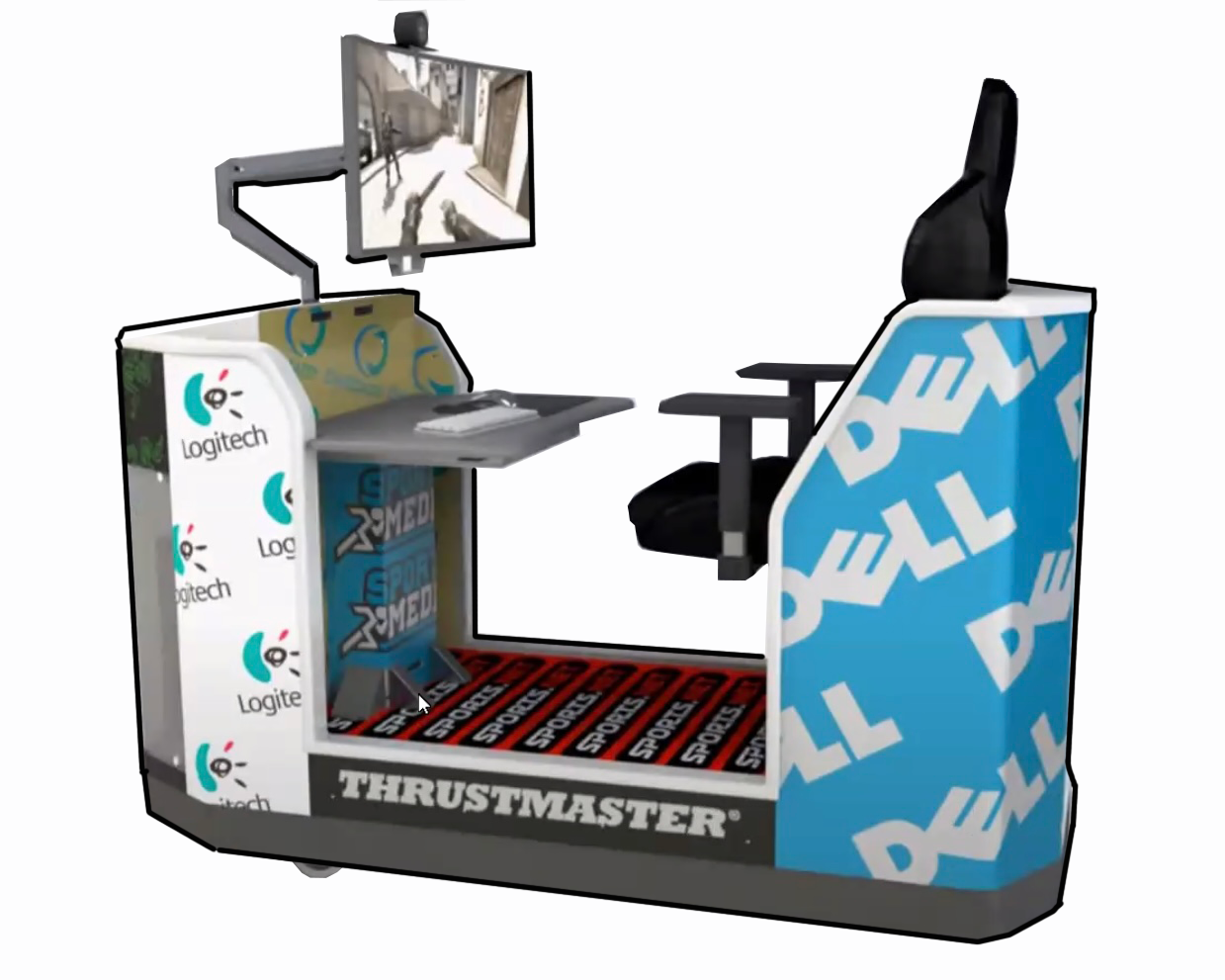
At Dakdan Worldwide, our esports pods demonstrate how brands can integrate into educational environments authentically. These installations provide students with professional-grade gaming setups while offering sponsors meaningful brand exposure in settings that traditional advertising can't reach. The educational context adds legitimacy and purpose beyond simple product placement.
For agencies working with consumer brands targeting Gen Z audiences, educational esports partnerships offer engagement opportunities that align with authentic youth culture. Students interact with sponsored equipment daily, creating repeated brand exposure in positive contexts. This approach builds brand affinity through utility rather than interruption.
Multi-Channel Monetization Requires Comprehensive Touchpoint Strategies
The most effective fan engagement strategies don't focus solely on live game viewing. They create value across the entire fan journey: pregame preparation, live viewing, and postgame review.
Agencies should map the complete fan experience and identify monetization opportunities at each stage. Pregame content might include lineup analysis, historical matchup data, and prediction tools. Live viewing incorporates real-time statistics, social engagement features, and interactive elements. Postgame extends the experience through highlight packages, analysis content, and community discussion platforms.
This comprehensive approach increases the total time audiences spend engaged with sports content, which multiplies sponsorship value. Brands get more touchpoints, audiences get richer experiences, and rights holders generate additional revenue beyond live game broadcasts.

Professional Development Builds Competitive Advantages
The digital sports marketing landscape changes rapidly. Agencies that invest in continuous learning and skill development maintain competitive advantages over those relying on outdated playbooks.
Key competencies for modern sports marketing include understanding streaming rights structures, designing personalized fan experiences, analyzing behavioral data, and executing measurable digital campaigns. These skills combine traditional marketing expertise with technical capabilities that didn't exist a decade ago.
Industry events provide valuable opportunities to stay current on emerging technologies and network with other professionals navigating similar challenges. But ongoing learning happens daily through experimentation, measurement, and iteration.
Building Your Digital Media Strategy
Success in digital sports marketing requires combining multiple capabilities: technical platform expertise, creative storytelling, data analysis, and strategic partnership development. Few organizations possess all these skills internally, which creates opportunities for specialized agencies.
The agencies winning in this environment take solution-oriented approaches. They lead with strategy rather than tactics, use data to inform creative decisions, and measure everything to demonstrate clear value to brand partners. They understand that digital innovation isn't about chasing every new platform or technology, it's about identifying which innovations actually drive business results.
At Dakdan Worldwide, we specialize in media consulting and advertising solutions across sports, entertainment, and multiple other sectors. Our team helps agencies and brands navigate digital transformation with strategic frameworks grounded in measurable outcomes.
Ready to Elevate Your Sports Marketing Strategy?
The digital sports marketing landscape offers unprecedented opportunities for agencies that understand how to leverage streaming platforms, data analytics, AI tools, and multi-channel strategies. Whether you're looking to develop comprehensive sponsorship activations, build educational partnerships through esports initiatives, or create data-driven fan engagement campaigns, strategic partnerships accelerate success.
Contact Dan Kost directly to discuss how Dakdan Worldwide can support your digital media innovation:
- Email: info@dakdan.com or Dan@dakdan.com
- Phone: +1 (970) 578-4652 or (970) 436-0580
- Website: dakdan.com
- Learn more: press.dakdan.com
Connect with us on social media and stay updated on the latest trends in sports marketing, digital innovation, and brand partnership opportunities. Let's build something remarkable together.