
The sports industry is evolving faster than ever. Media rights are being restructured, artificial intelligence is shifting from pilot programs to core infrastructure, and fan engagement models are being completely reimagined. Whether you're a league executive, brand marketer, or sports business professional, understanding these trends isn't optional: it's essential for staying competitive.
At Dakdan Worldwide, we help organizations navigate these shifts through strategic consulting, media production, and advertising solutions tailored to the modern sports landscape. Here's your comprehensive guide to the trends reshaping the industry and how to capitalize on them.
Media Rights Are Being Completely Restructured
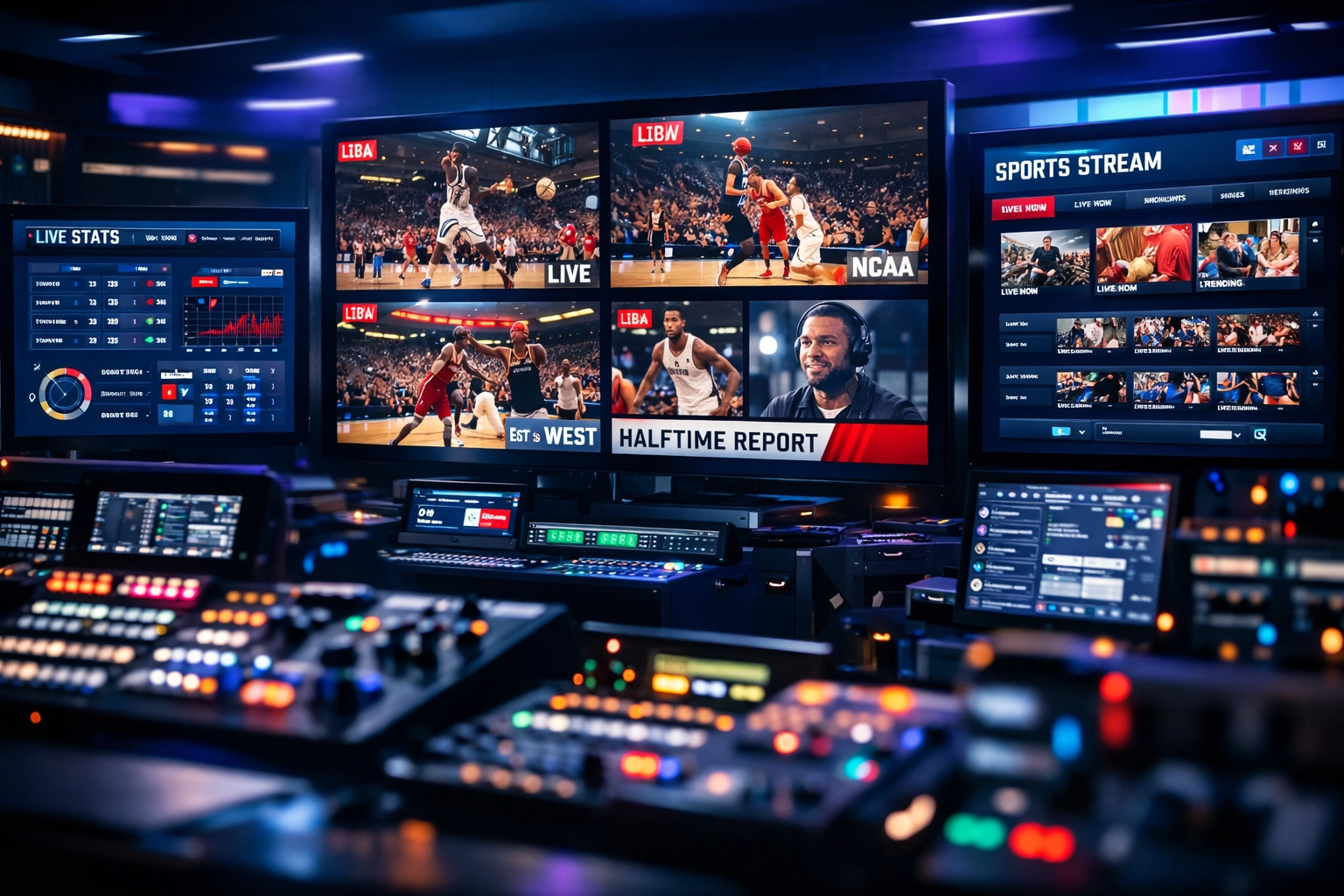
The traditional media rights model is undergoing fundamental transformation. The NFL is making moves that will reshape the entire sports media ecosystem, while the NBA is pivoting toward local media rights over national packages: a strategy that's delivering billions in value and challenging conventional wisdom about how fans consume content.
Here's what matters: local broadcasts drive longer viewing times, stronger cognitive engagement, and higher advertising value compared to national broadcasts. For brands and rights holders, this means rethinking distribution strategies entirely. Streaming local games is approaching a 50/50 split with traditional cable viewing, something that seemed impossible just a few years ago.
The opportunity: Organizations that master hybrid distribution models: balancing traditional broadcast with direct-to-consumer streaming: will capture the most value. This requires sophisticated infrastructure, which is where strategic media partners become critical assets.
Creator-Led Content Is Now a Critical Media Asset Class
User-generated content and athlete-owned media have evolved from experimental side projects to powerful complements to traditional broadcasts. Creator access clauses are being normalized in rights deals, with broadcasters investing in fully staffed creator studios and athletes building their own media empires.
This isn't just about social media posts. We're talking about professional-grade production studios, sophisticated content strategies, and athlete IP that commands serious market value. The barriers to entry have lowered dramatically, but the quality bar has risen just as fast.
What this means for you: Whether you're a league, team, or brand, you need a creator strategy. The organizations winning in this space are treating creator relationships as strategic partnerships, not afterthoughts. They're providing resources, access, and infrastructure that elevate content quality while maintaining authenticity.
Artificial Intelligence: From Experiment to Infrastructure
AI has moved beyond the "what's possible" phase into the "what creates value" phase. It's being embedded across content production, localization, scheduling, performance analysis, fan intelligence, and internal operations.
Practical applications are already delivering results: targeted marketing campaigns with conversion rates 3-5x traditional approaches, personalized fan experiences that increase engagement metrics, improved athlete performance analysis, and hyper-tailored content feeds that keep audiences engaged longer.
Early adopters are proving that smarter, leaner operations unlock significant profit growth. Organizations that treat AI as experimental will fall behind those integrating it into core operations.
The strategic move: Start with high-impact, low-complexity implementations. Fan intelligence and content personalization often deliver quick wins that build organizational confidence for larger deployments. Partner with technology experts who understand both AI capabilities and sports business objectives.
Women's Sports Is Entering a New Phase of Valuation
Women's sports has moved past the "emerging market" label into a phase of serious capital allocation and institutional investment. The number of Fortune 500 companies sponsoring women's sports doubled recently, and that growth is accelerating.
This creates a competitive dynamic where brands that wait risk being priced out or locked out entirely. Women's sports offers authenticity, growth potential, and brand-safe fandoms that are increasingly difficult to find elsewhere in the sports landscape.
Investment is flowing across multiple levels: new professional leagues launching and expanding, existing leagues evaluating rolling expansion opportunities, and media rights deals reaching valuations that reflect real market value rather than speculative potential.
How to act: Brands should be developing women's sports strategies now, not later. Rights holders should be optimizing properties for sponsor integration. And everyone should be preparing for increased competition as more capital enters the space.

Ticketing Is Evolving Into Membership Models
The transaction-based ticketing model is giving way to subscription and membership systems with tiered perks and transparent pricing. This shift unlocks sustainable demand and long-term fan value instead of chasing one-off sales with increasingly aggressive discounting.
Fans want integrated experiences where live viewing connects seamlessly with curated archives, fantasy participation, betting features, and integrated ecommerce. The organizations building these ecosystems are creating moats that competitors struggle to overcome.
What works: Start with your most engaged fans. Build membership tiers that deliver genuine value, not artificial scarcity. Use data to understand what drives retention and continuously optimize the experience. Transparency in pricing builds trust that pays long-term dividends.
Private Equity Is Reshaping Ownership Structures
More of the world's largest financial and law firms are establishing sports specialty practices than ever before. Pro leagues are beginning to consider loosening restrictive bylaws that previously limited private equity ownership.
This influx of institutional capital is changing how sports properties are valued, operated, and structured. It's bringing financial sophistication and operational rigor while sometimes creating tension with traditional sports culture and long-term thinking.
Navigate this carefully: Private equity involvement isn't inherently good or bad: it's a tool. The key is ensuring alignment between financial objectives and long-term property health. Organizations should seek capital partners who understand sports business dynamics, not just financial engineering.
Betting and Prediction Markets Are Going Mainstream
Prediction markets are moving from the fringes into the core of sports sponsorship and fan engagement. As regulation evolves, these platforms are integrating into broadcasts, digital experiences, and fan conversations.
This creates new revenue streams for rights holders while providing fans with more interactive, opinion-driven engagement opportunities. The organizations that figure out seamless integration without compromising content integrity will capture significant value.
The balance: Betting integration should enhance the fan experience, not dominate it. The most successful implementations feel native to the content rather than bolted on. Start with opinion-based prediction markets that feel less transactional before moving to higher-stakes applications.
Clubs Are Becoming Brands With Direct Fan Relationships
Sports organizations at all levels are positioning themselves as brands with direct audience relationships rather than relying solely on broadcaster mediation. This allows them to sell themselves differently to non-endemic sponsors and create completely new configurations of rights offerings.
Broadcasters are no longer mere conduits: they must add unique value to retain their position in the ecosystem. This dynamic is forcing innovation on all sides and creating opportunities for organizations that can manage complex multi-platform strategies.
Your move: Build owned media infrastructure. Develop first-party data capabilities. Create content that works across platforms. Partner strategically with distributors who add value beyond simple reach.

Esports Infrastructure Creates Educational Opportunities
The convergence of traditional sports business models with esports continues accelerating. Educational institutions are investing in esports infrastructure that provides both student engagement and brand partnership opportunities.
Custom gaming pods and tournament facilities create environments where students develop skills while brands reach highly engaged young audiences. These installations offer measurable ROI through event activations, content creation, and sustained brand presence in educational settings.
Why this matters: High schools and universities represent one of the few remaining environments where brands can build authentic, long-term relationships with Gen Z and Gen Alpha consumers. Esports infrastructure investment pays dividends across multiple dimensions: student recruitment, alumni engagement, and commercial partnerships.
The Employment Landscape Is Transforming
The industry is experiencing structural transformation creating new hybrid job families that combine technical expertise, business impact, and brand responsibility. Talent shortages are already visible in digital and sustainability-driven functions.
Organizations that anticipate future role requirements and invest in workforce development will have significant competitive advantages. The sports professionals who succeed will be those combining traditional sports business knowledge with technical capabilities and strategic thinking.
Build your team: Don't wait for perfect candidates to appear. Develop talent internally. Partner with organizations that provide specialized expertise. Create cross-functional teams that break down traditional silos.
Your Next Steps
The sports industry isn't slowing down. These trends represent fundamental shifts in how sports content is created, distributed, consumed, and monetized. Organizations that treat them as temporary disruptions rather than permanent transformations will struggle.
At Dakdan Worldwide, we help sports organizations, brands, and media companies navigate these changes through strategic consulting, content production, and integrated marketing solutions. Whether you're restructuring media rights, building creator programs, implementing AI infrastructure, or developing direct fan relationships, we provide the expertise and execution capabilities you need.
Ready to capitalize on these trends? Contact Dan Kost and the Dakdan Worldwide team today.
Email: info@dakdan.com
Phone: +1 (970) 578-4652
Website: dakdan.com
Press Inquiries: press.dakdan.com
Connect with us on social media for daily insights on sports industry trends, media innovation, and strategic opportunities.
The future of sports business is being written right now. Make sure you're part of the story.