
Building a media portfolio that stands the test of time means thinking beyond traditional channels. Whether you're a brand looking to maximize exposure or a media company expanding your inventory, diversification isn't just smart – it's essential for long-term growth and resilience.
Let's break down how media asset diversification works in today's landscape and why blending physical and digital properties creates opportunities you can't get from a single-channel approach.
Understanding Media Asset Diversification
Media asset diversification is about spreading your media inventory across multiple platforms, formats, and environments. Think of it like building a balanced investment portfolio, but instead of stocks and bonds, you're working with stadium LED boards, digital out-of-home networks, venue signage, streaming platforms, esports installations, and social media channels.
The goal? Create multiple touchpoints that reach audiences where they already spend time, while reducing dependency on any single revenue stream or placement strategy.
For brands, this means your message isn't limited to one game, one venue, or one screen. For media companies and rights holders, it means building a diversified asset base that generates consistent value across various market conditions.
The Physical Foundation: Stadium and Venue Assets
Traditional venue assets remain powerful for a reason – they deliver guaranteed eyeballs in high-engagement environments. Stadium signage, arena LED boards, and event spaces provide captive audiences who are actively paying attention during peak emotional moments.
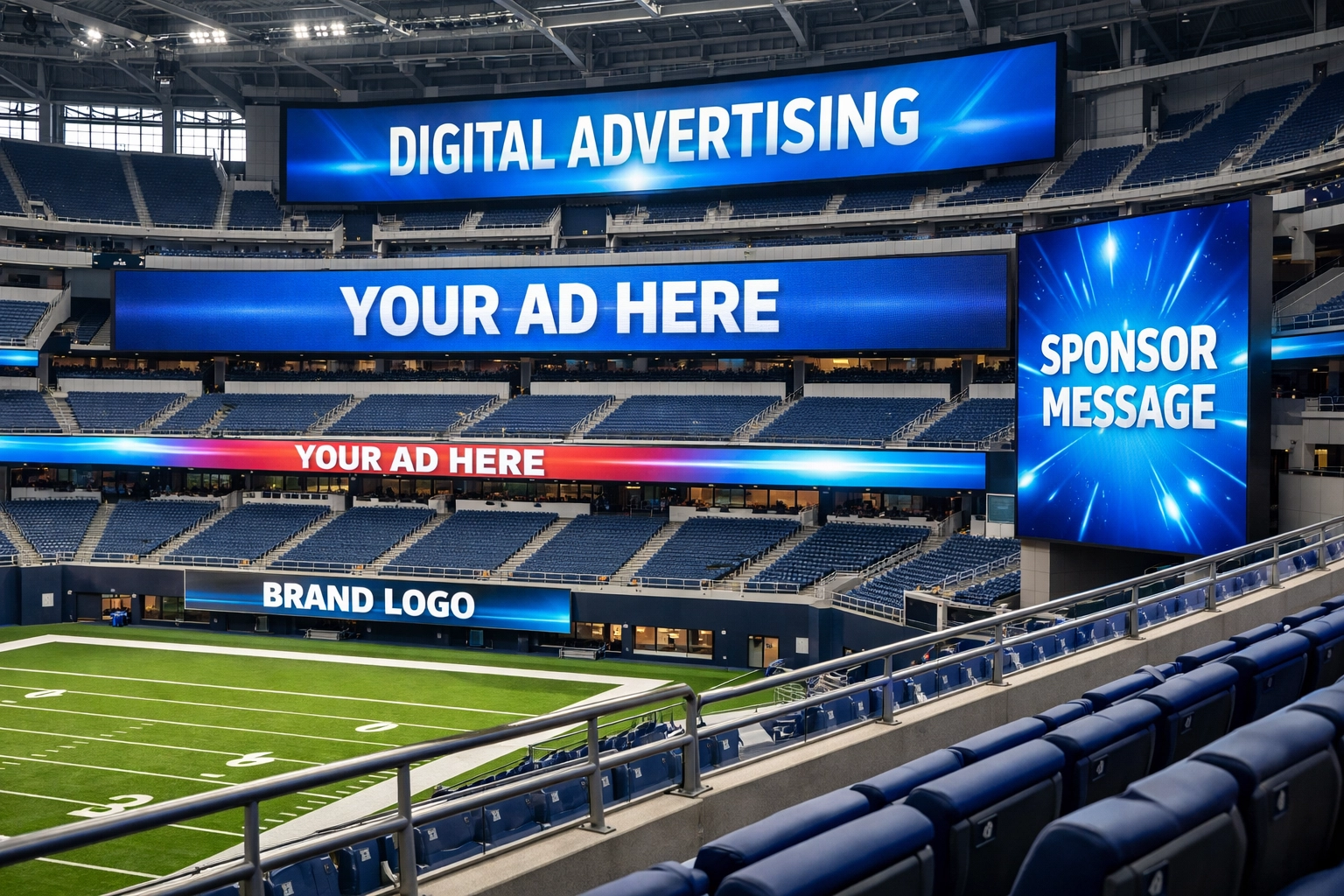
These physical assets offer:
Guaranteed impressions during live events when fans are most engaged
Premium positioning in environments where ad blockers don't exist
Brand association with teams, leagues, and live experiences that fans love
Local market penetration for businesses targeting specific geographic regions
The key is treating these physical assets as the foundation of a larger strategy, not the entire strategy itself. Stadium signage performs exceptionally well during game days, but what about the other 350 days of the year?
Digital Networks: Extending Your Reach Beyond the Venue
Digital media assets complement physical placements by extending reach, frequency, and targeting capabilities. This includes programmatic display networks, streaming platform integrations, social media properties, mobile applications, and owned digital channels.
Digital assets bring flexibility that physical placements can't match:
Real-time optimization based on performance data and audience behavior
Precise targeting using demographic, behavioral, and contextual signals
Cross-device reach that follows audiences from phone to tablet to connected TV
Measurable attribution linking media exposure directly to business outcomes
The most effective strategies use digital assets to amplify physical placements. A fan sees your brand on stadium signage during a game, then encounters retargeted content across their social feeds and streaming platforms throughout the week. This creates frequency and reinforcement that single-channel approaches simply can't deliver.
The New Asset Class: Educational Esports Installations
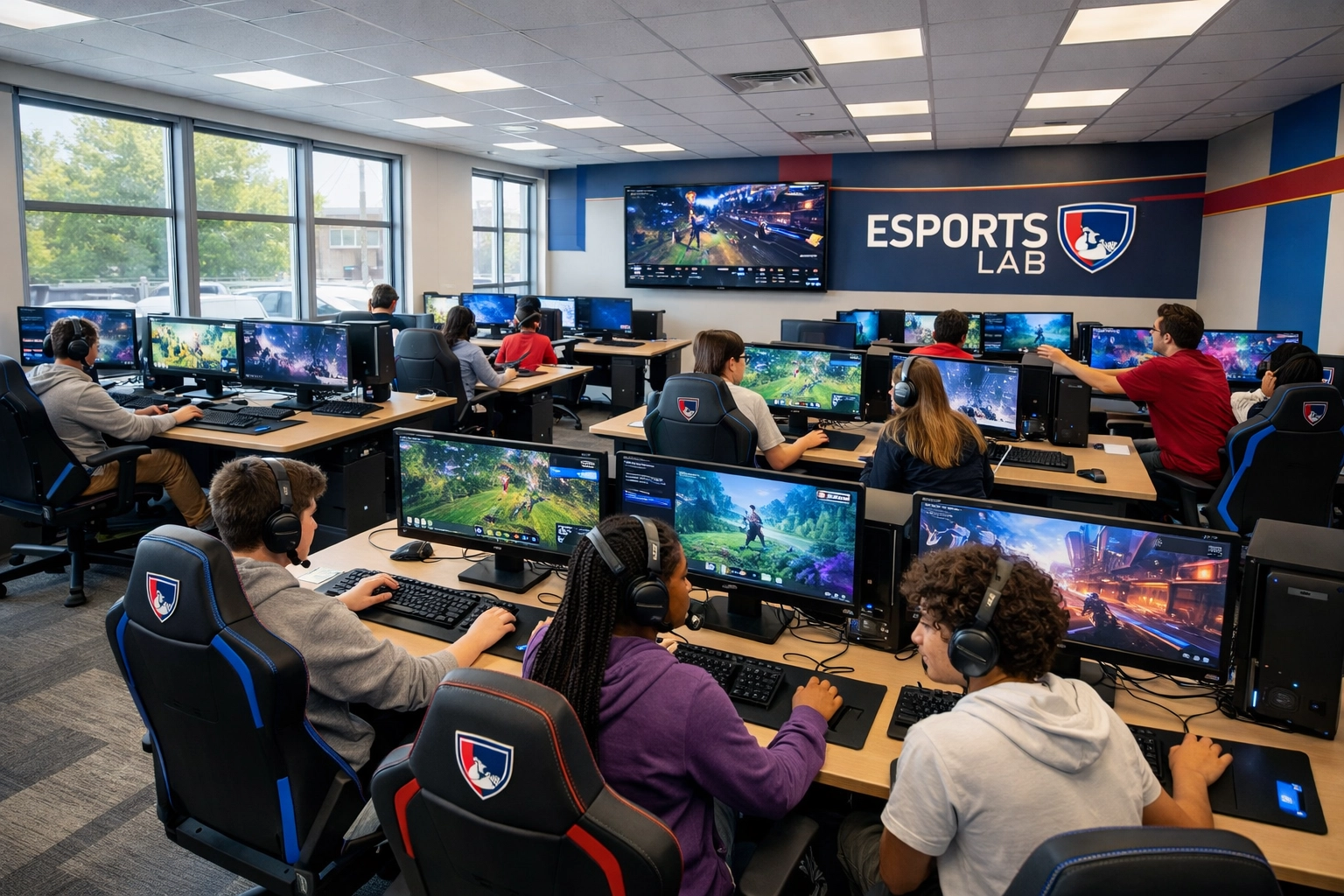
One of the most overlooked opportunities in media diversification is the educational esports market. High schools across the country are building esports programs, creating entirely new environments for brand exposure and youth engagement.
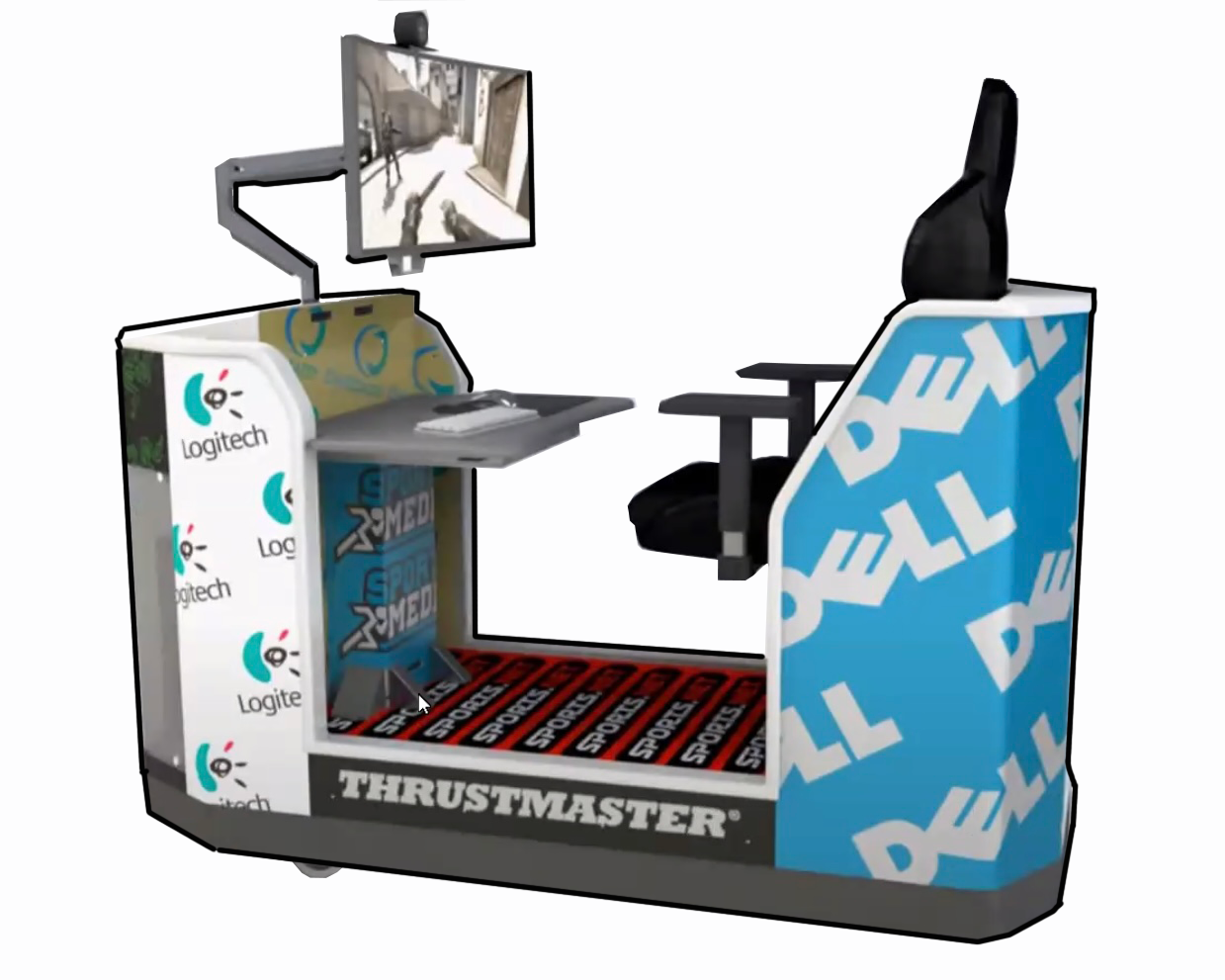
Custom esports pods and gaming installations represent a unique asset class because they blend physical presence with digital engagement. These aren't just branded spaces – they're functional environments where students spend hours practicing, competing, and building skills that translate to career opportunities.
For brands, this creates authentic integration opportunities:
Hardware and technology partners can showcase products in real-world educational settings
Lifestyle and apparel brands can connect with Gen Z in environments they actually care about
Financial and educational services can support skill development while building long-term brand affinity
Food and beverage companies can activate in spaces where students naturally gather
The educational focus adds credibility that pure entertainment activations can't match. Brands aren't just advertising – they're supporting skill development, teamwork, and academic achievement.
Building Your Diversification Strategy
Effective media asset diversification requires thinking about three key dimensions: reach, engagement depth, and asset lifecycle.
Reach is about audience size and market penetration. Physical venue assets excel at concentrated local reach, while digital networks scale to national or global audiences. A balanced portfolio includes both.
Engagement depth measures how meaningfully audiences interact with your assets. A 30-second stadium board exposure differs from a 90-minute esports pod session where your brand is part of the environment. Both have value, but serve different objectives.
Asset lifecycle considers how long each asset delivers value. A single game sponsorship is short-lived. An esports pod in a high school provides daily exposure for years. Digital content can be evergreen or time-sensitive depending on your strategy.
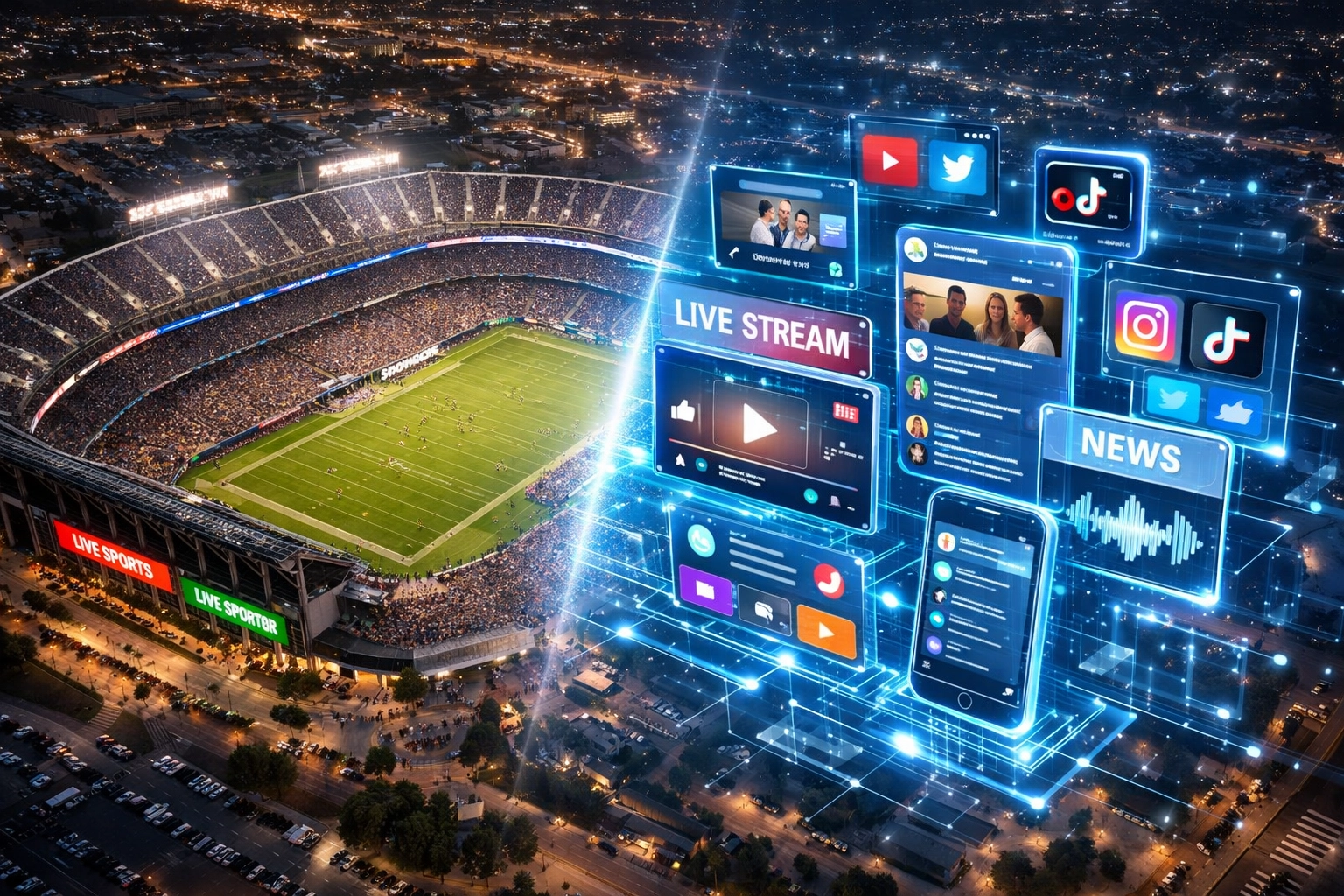
The strongest portfolios balance all three dimensions. You want assets that reach broad audiences, assets that create deep engagement, and assets that deliver consistent long-term value.
Implementation: Where to Start
Building a diversified media portfolio doesn't require a massive budget right out of the gate. Start with these practical steps:
Audit your current assets. Where are you already investing? What channels are underperforming? What opportunities exist in environments you haven't explored?
Identify gap areas. If you're heavy on digital but light on physical presence, venue partnerships might be your next move. If you dominate game day but disappear during off-season, focus on always-on digital assets.
Test and learn. Start with pilot programs in new channels before making major commitments. An esports pod in one school can validate the concept before rolling out to twenty campuses.
Measure what matters. Different assets serve different purposes. Don't judge stadium signage by click-through rates or digital display by emotional resonance. Use metrics that align with each asset's role in your overall strategy.
Build partnerships. The best diversification strategies leverage partners who understand specific channels deeply. A media consulting partner can help you navigate new territories without the costly trial-and-error of going it alone.
Why This Matters Now
Market fragmentation continues accelerating. Audiences scatter across platforms, devices, and environments. The days of reaching 80% of your target market through three TV spots are long gone.
Brands and media companies that diversify now position themselves for stability regardless of how specific channels evolve. When one asset class faces headwinds, others maintain performance. When new opportunities emerge, you have the infrastructure and expertise to capitalize quickly.
This is especially true in sports and entertainment marketing, where audience attention shifts rapidly and new platforms emerge constantly. Yesterday it was Twitch, today it's educational esports, tomorrow it will be something we haven't imagined yet. Diversified portfolios adapt faster because you're already comfortable operating across multiple environments.
Your Next Move
Media asset diversification isn't about complexity for its own sake. It's about building resilient, high-performing portfolios that deliver consistent results regardless of market conditions.
Whether you're a brand looking to maximize reach and ROI, a rights holder monetizing inventory, or a media company building your asset base, the principles remain the same: balance physical and digital, combine reach with engagement depth, and create assets that deliver long-term value.
The opportunity is here. Educational esports, venue partnerships, digital networks, and integrated campaigns all play roles in modern media strategies. The question isn't whether to diversify – it's how quickly you can build a portfolio that positions you for the next decade of growth.
Ready to build a diversified media strategy that actually works? Dakdan Worldwide specializes in helping brands and media companies navigate the complex landscape from stadium signage to digital networks and educational esports installations.
Contact Dan Kost at info@dakdan.com or call (970) 578-4652 to discuss your media diversification strategy.
Visit us at dakdan.com or learn more about our solutions at press.dakdan.com
Connect with us:
- LinkedIn: linkedin.com/company/dakdan-worldwide
- Twitter/X: @dakdanworldwide
- Instagram: @dakdanworldwide

#askdakdan for strategic media consulting that drives real results.