
FOR IMMEDIATE RELEASE
Contact: Dan Kost
Email: info@dakdan.com
Phone: +1 (970) 578-4652
Location: Colorado, USA
Every day at 1:00 PM, Dakdan Worldwide publishes insights that shape how brands, venues, and rights holders approach the sports business landscape. These aren't just announcements. They're signals pointing toward where opportunities emerge before most people see them coming.
If you're watching the sports industry closely, you know that press releases often reveal strategic positioning before the broader market catches on. Here's what Dakdan's ongoing communication pattern tells us about where smart money and attention are flowing.
1. Esports Infrastructure Is Becoming Institutional
The conversation around esports has shifted from "Is this real?" to "How do we build systems that scale?" Dakdan's press coverage consistently highlights standardized approaches to esports project management, and there's a reason for that strategic focus.
The esports market is projected to reach $16 billion, and that growth requires more than tournament production. It demands physical infrastructure, educational programs, and replicable frameworks that work across high schools, colleges, and professional venues.

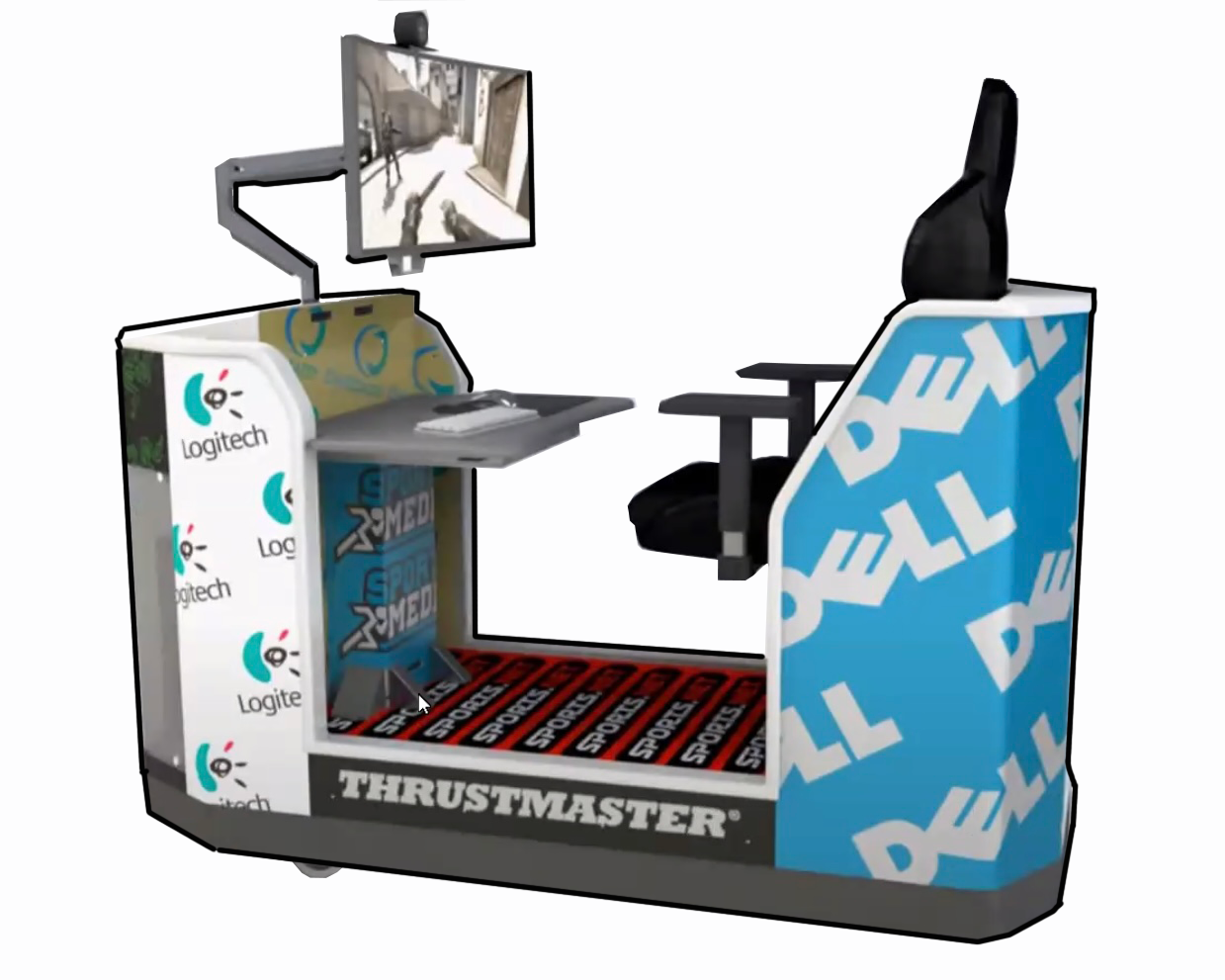
When you see repeated messaging around esports pods and institutional partnerships, that's not random. It's a signal that the industry is moving from experimental phases into buildable, measurable systems. Brands looking to reach younger demographics are finding that esports infrastructure offers tangible touchpoints that traditional sports sponsorships can't always deliver.
2. Venue Experience Is the New Battleground
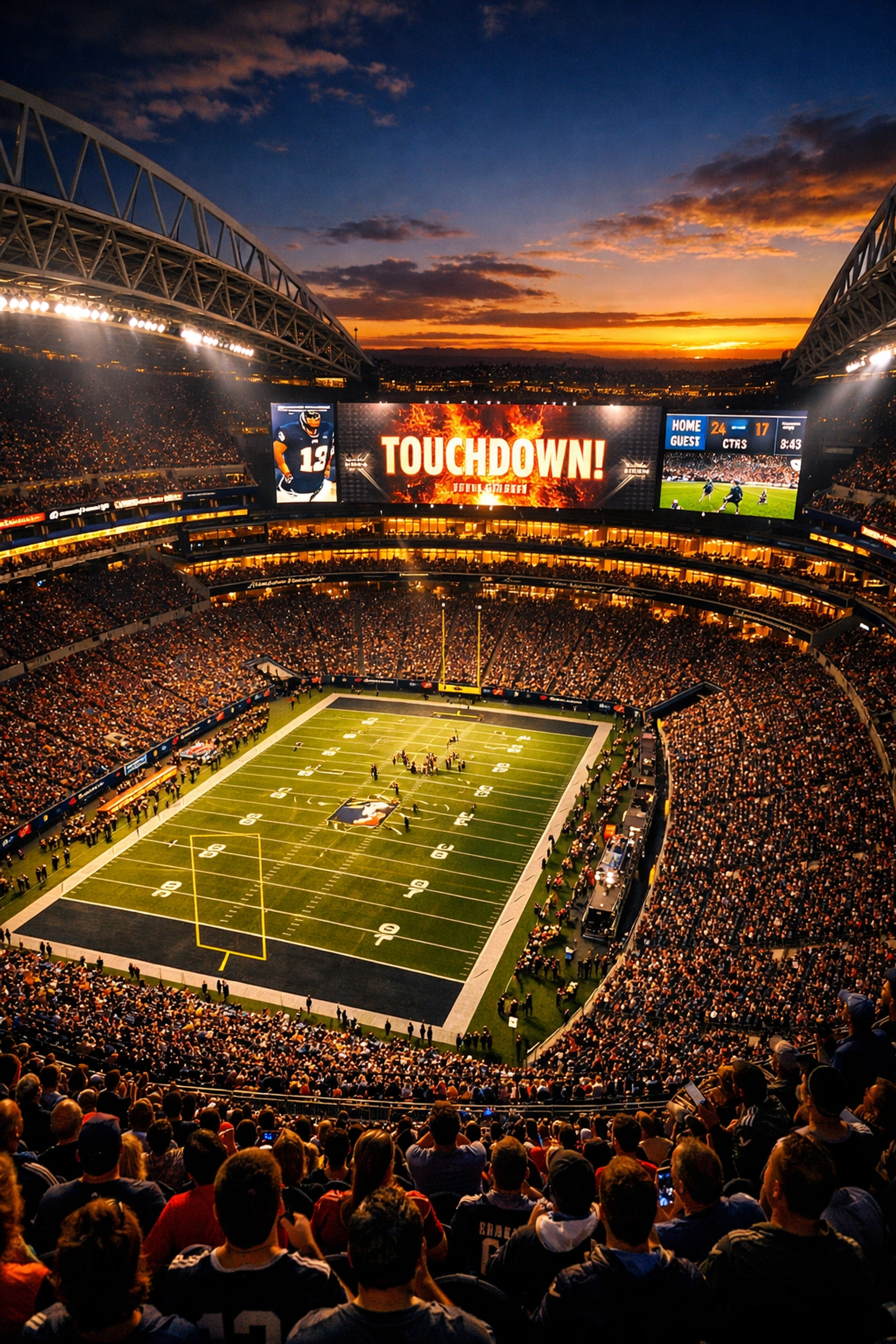
Digital signage. Luxury suites. Fan engagement technology. These topics appear in Dakdan's press materials because venues are no longer just places where games happen. They're revenue engines that need optimization.
The shift from passive stadium advertising to dynamic, data-driven venue experiences represents billions in potential sponsor value. When consulting firms emphasize venue transformation, they're responding to a fundamental change: fans expect personalized, connected experiences whether they're watching from Section 212 or a premium club space.
Venue operators who treat their physical spaces like static billboards are missing the bigger picture. The press releases highlighting venue solutions aren't selling products. They're documenting an industry-wide recognition that experiential marketing drives loyalty and revenue in ways that logo placement never could.
3. Major Event Convergence Creates Sponsorship Complexity
The World Cup and Olympics converging within a tight window creates both opportunity and challenge for global brands. Dakdan's analysis of sponsorship ROI comparisons between these mega-events reveals something important: not all massive audiences deliver equal value.
Brands are getting smarter about activation beyond rights fees. They're asking harder questions about audience engagement, content ownership, and long-term brand lift. When you see consulting firms publishing comparative analysis between major events, that's a response to sponsors demanding proof that their investments deliver measurable outcomes.
The teams that win these cycles aren't just buying visibility. They're building integrated campaigns that leverage event momentum while creating assets they control beyond the final whistle.
4. Local Engagement Trumps National Reach
Here's a trend that runs counter to conventional wisdom: local media engagement is becoming more valuable than national broadcast exposure for many brands and teams. Regional activation, community partnership, and localized content creation offer something broad national campaigns struggle to deliver – genuine connection.
Dakdan's emphasis on multi-market strategies reflects this reality. Brands that treat every market identically miss opportunities to resonate with specific community values, regional sports cultures, and local business ecosystems. The sports properties that thrive are those building deep roots in their home markets while maintaining national relevance.
5. Women's Sports Investment Is Accelerating Beyond Rhetoric
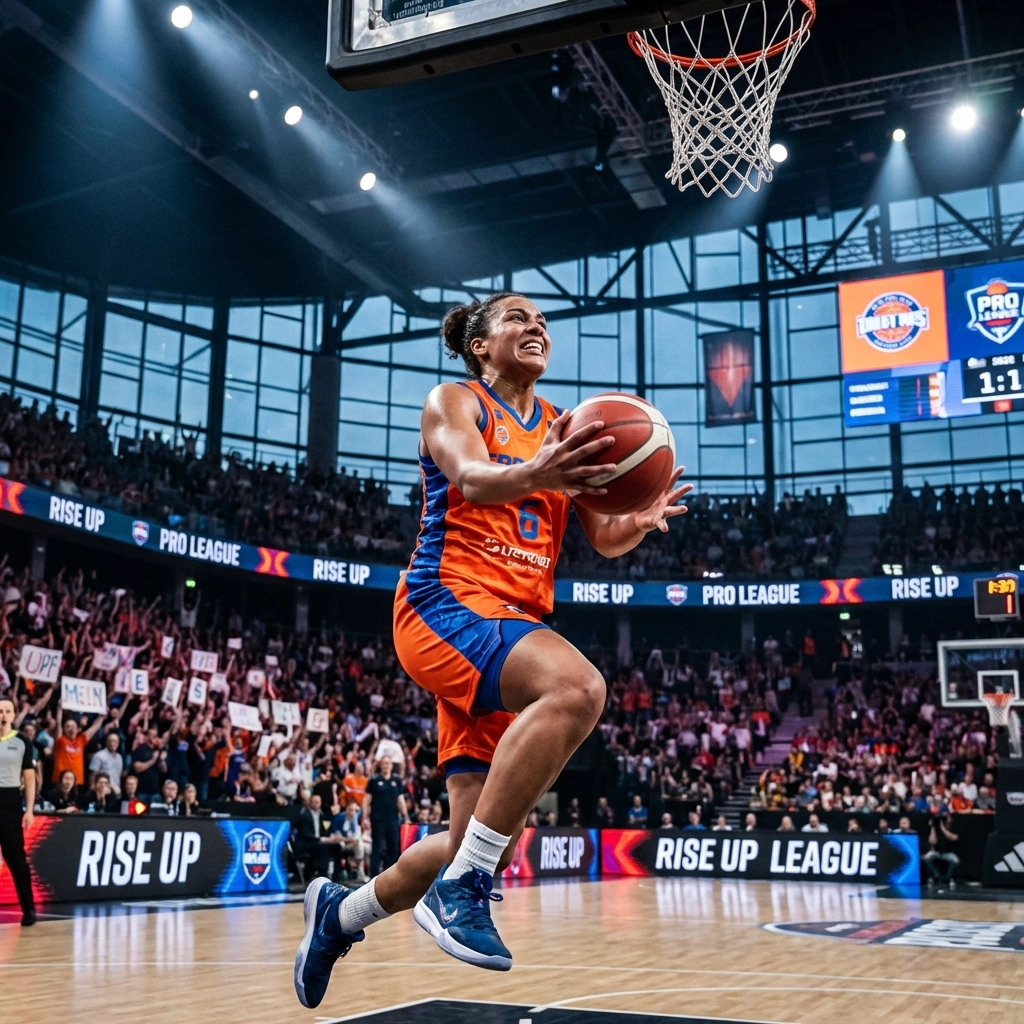
Fortune 500 sponsorship participation in women's sports has doubled, and that's not charity. It's strategic capital allocation based on audience growth, engagement metrics, and market opportunity. The press materials highlighting women's sports partnerships reflect an industry finally recognizing that female athletes and fans represent underserved markets with significant commercial potential.
Smart brands are moving early while competition for premium inventory remains relatively light compared to legacy men's sports. The companies positioning themselves now as leaders in women's sports support are building equity that will compound as these leagues and properties mature.
6. AI Integration Isn't Future-Tense Anymore
Artificial intelligence in ticketing, marketing, fan engagement, and content creation has moved from experimental to operational. When industry communications consistently reference AI-driven solutions, that's documentation of current implementation, not speculation about future possibilities.
The sports organizations gaining competitive advantage are those deploying AI to personalize fan experiences, optimize pricing strategies, and automate content production at scale. This isn't about replacing human creativity. It's about augmenting capabilities so teams can deliver individualized experiences to millions of fans simultaneously.

7. Athlete-Led Investment Is Reshaping Ownership Models
Athletes are no longer just endorsers. They're investors, team owners, and media company founders. This shift changes how rights deals get structured, how sponsorships get activated, and how content gets distributed.
When consulting firms highlight athlete investment trends, they're acknowledging that the power dynamics in sports business are evolving. Athletes with equity stakes think differently about brand partnerships. They become collaborators rather than contracted talent, and that changes negotiation dynamics across the industry.
8. Educational Esports Programs Drive Brand Access
High school esports programs aren't just about gaming. They're about creating brand touchpoints with demographics that traditional sports sponsorships struggle to reach authentically. The repeated focus on educational esports infrastructure in industry communications reveals a strategic pathway for brands seeking Gen Z engagement.

These programs offer sponsorship inventory that feels native rather than intrusive. When a brand supports the esports pod where students compete, practice, and learn, that's functional support that builds affinity differently than a courtside banner ever could.
9. Media Rights Are Fragmenting, Not Consolidating
The assumption that sports media rights would consolidate into a few major platforms is proving incorrect. Instead, we're seeing fragmentation across streaming services, social platforms, direct-to-consumer offerings, and traditional broadcast. This creates complexity but also opportunity.
Sports properties that build direct audience relationships through owned platforms gain negotiating leverage with distributors while creating revenue streams independent of rights deals. The consulting emphasis on multi-platform strategies reflects this new reality: distribution optionality is valuable.
10. Transparency and Measurement Are Non-Negotiable
The era of sponsorship deals justified by "brand awareness" alone is ending. Stakeholders demand proof of performance, attribution models, and clear ROI frameworks. Press materials emphasizing measurement, reporting, and transparent analytics reflect an industry finally embracing accountability.
Brands spending millions on sports partnerships want to know what they're getting beyond impressions and logo visibility. The consulting firms that thrive are those helping clients build measurement systems that connect sports investment to business outcomes. Awareness matters, but so do leads, sales, and customer lifetime value.
What These Patterns Mean for Your Strategy
Press releases are strategic communications, not just information broadcasts. When you see consistent themes across an organization's public messaging, you're seeing where they believe the market is heading and where they're positioning their capabilities.
Dakdan's daily press releases at press.dakdan.com document real-time industry movement. They highlight where consulting resources are being deployed, which questions clients are asking, and which solutions are gaining traction.
The sports industry is evolving faster than ever. The organizations that win are those paying attention to signals, adapting strategies quickly, and building capabilities before competitors recognize the opportunity.
Whether you're a brand evaluating sports partnerships, a venue operator upgrading fan experiences, a rights holder restructuring media deals, or an educational institution building esports programs, these trends shape your strategic landscape.
The question isn't whether these shifts are happening. They're already underway. The question is whether you're positioned to capitalize on them.
Ready to explore how these trends impact your sports business strategy? Dakdan Worldwide helps brands, venues, and rights holders navigate industry transformation with consulting, media production, and strategic implementation services.
Contact us today:
📧 Email: info@dakdan.com
📞 Phone: +1 (970) 578-4652
🌐 Website: dakdan.com
Connect with us on social media for daily insights and industry analysis. Let's build tomorrow's sports business opportunities together.