

FOR IMMEDIATE RELEASE
Colorado, USA – Sports marketing agencies face an increasingly competitive landscape where consistent communication drives brand visibility, partnership opportunities, and client retention. Daily press release automation has emerged as a strategic solution for agencies seeking to maintain steady media presence while optimizing resource allocation across consulting, advertising, and entertainment initiatives.
Understanding Press Release Automation in Modern Sports Marketing
Press release automation transforms how sports marketing agencies communicate with media outlets, stakeholders, and audiences. Rather than manual creation and distribution of announcements, automated systems enable scheduled, strategic content deployment that maintains brand presence across multiple channels simultaneously.
The technology supporting automated press releases integrates content management systems, distribution networks, and analytics platforms. This convergence allows agencies to develop template-based frameworks while customizing messaging for specific audiences, events, or brand partnerships.
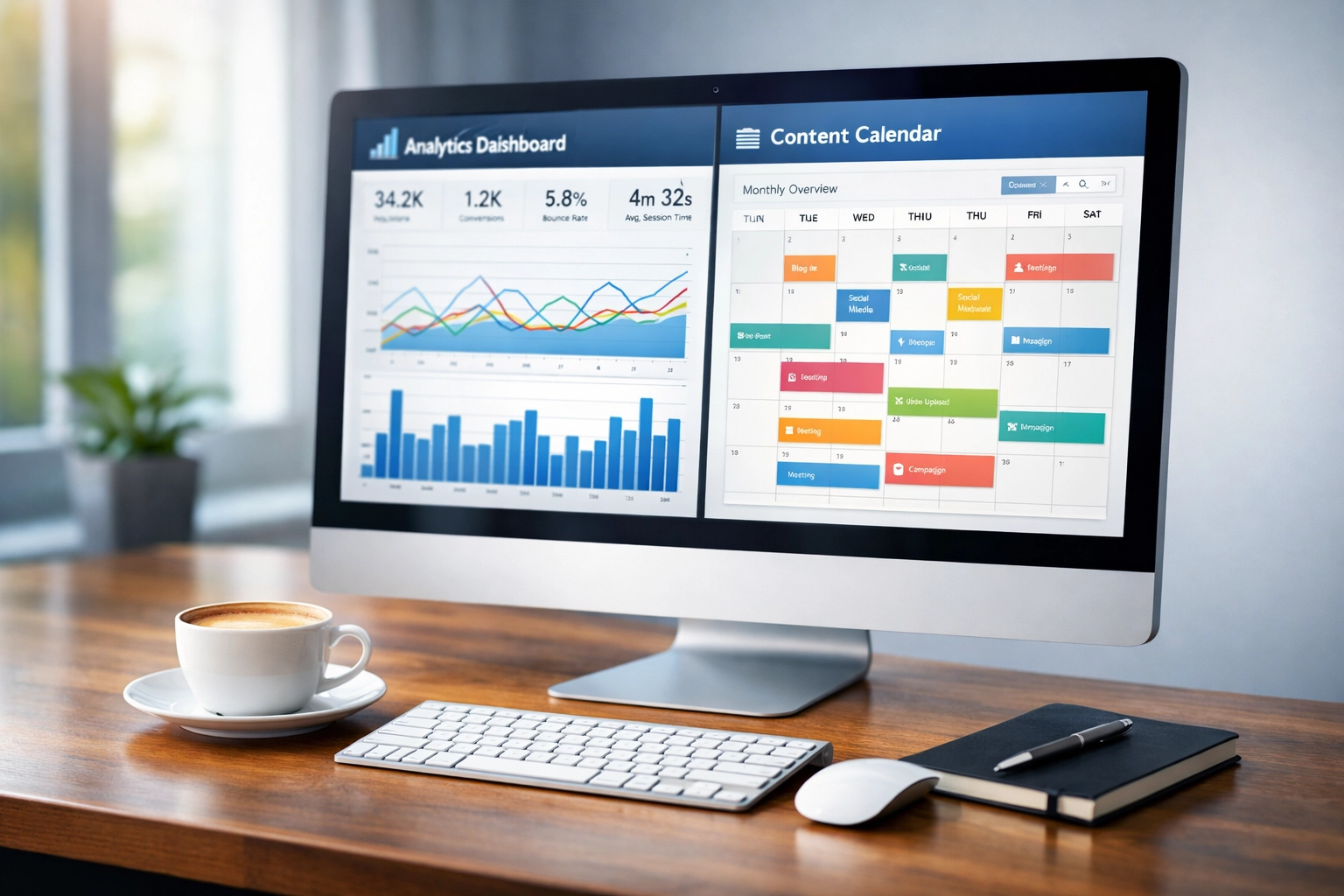
For companies managing diverse portfolios spanning media holdings, consulting services, and sports properties, automation provides the infrastructure necessary to communicate consistently about each business vertical without overwhelming internal teams.
The Strategic Value of Daily Distribution
Daily press release automation offers sports marketing agencies several competitive advantages. Consistent communication establishes media relationships through predictable content flows that journalists and industry stakeholders come to expect. This reliability builds credibility and increases the likelihood of coverage when major announcements require immediate attention.
Regular distribution also improves search engine optimization by generating fresh, keyword-rich content that search algorithms favor. Sports marketing agencies working with venue partnerships, sponsorship activations, or digital advertising campaigns benefit from enhanced online visibility that drives organic traffic to client properties.
Perhaps most importantly, daily automation creates a content repository documenting agency achievements, client successes, and industry insights. This archive serves multiple purposes: demonstrating expertise to prospective clients, supporting sales conversations with concrete examples, and providing material for social media amplification.
Technology Infrastructure for Automated Press Release Systems
Implementing effective daily press release automation requires integrating several technological components. Content management platforms serve as the foundation, storing templates, approved messaging, and brand guidelines that ensure consistency across all communications.

Distribution networks connect agencies to media databases, newswire services, and direct journalist contacts. Advanced systems incorporate segmentation capabilities that target specific industry verticals, geographic markets, or publication types based on release content and strategic objectives.
Analytics tools complete the automation ecosystem by tracking distribution metrics, engagement rates, and conversion outcomes. These insights inform content optimization, helping agencies refine messaging strategies based on empirical performance data rather than assumptions.
Integration capabilities determine automation success. Systems that connect with social media schedulers, email marketing platforms, and website content management create synchronized communication strategies where press releases trigger complementary activities across multiple channels.
Building Effective Automation Workflows
Successful press release automation begins with strategic planning rather than technological implementation. Agencies must define content calendars that align release schedules with business objectives, seasonal trends, and client campaign timelines.
Template development represents another critical workflow element. Creating modular content blocks for different release types (partnership announcements, event coverage, thought leadership, client achievements) accelerates production while maintaining quality standards.
Approval workflows ensure brand compliance and legal review without creating bottlenecks that undermine automation benefits. Modern systems incorporate multi-tier approval processes that route content based on topic sensitivity, client requirements, or regulatory considerations.

Testing protocols validate automation accuracy before full deployment. Agencies should conduct trial runs with internal stakeholders, verify distribution list accuracy, and confirm formatting consistency across different media platforms and devices.
Content Strategy for Automated Daily Releases
Automation technology enables daily distribution, but content strategy determines whether those releases generate meaningful outcomes. Sports marketing agencies must balance consistency with relevance, ensuring each release provides value rather than contributing to information overload.
Thematic rotation maintains audience interest while covering diverse agency capabilities. Agencies might alternate between client success stories, industry analysis, partnership announcements, and service innovations across a weekly or monthly cycle.
Educational content positioning agencies as thought leaders generates engagement beyond simple announcements. Guides addressing industry challenges, frameworks for evaluating sponsorship opportunities, or insights about emerging sports marketing technologies establish expertise that attracts qualified prospects.
Evergreen approaches ensure content remains relevant beyond initial distribution dates. Avoiding time-specific references, seasonal limitations, or event-dependent contexts extends content lifespan and supports long-term SEO strategies.
Measuring Automation Impact and ROI
Quantifying press release automation value requires tracking metrics across awareness, engagement, and conversion stages. Distribution reach indicates how many media outlets and stakeholders receive releases, establishing baseline visibility.
Pickup rates measure how many recipients publish, reference, or share content. High pickup rates signal strong content-market fit and effective targeting, while low rates suggest messaging refinement opportunities.

Website traffic from press release links demonstrates audience interest beyond media intermediaries. Tracking visitor behavior after press release arrival reveals whether content attracts qualified prospects who engage with additional agency resources.
Lead generation and client acquisition represent ultimate ROI indicators. Attribution modeling connects press release exposure to consultation requests, partnership inquiries, and signed contracts, demonstrating tangible business impact.
Integration with Broader Marketing Ecosystems
Press release automation delivers maximum value when integrated with comprehensive marketing strategies rather than operating as isolated tactics. Social media amplification extends release reach by reformatting content for platform-specific audiences and engagement patterns.
Email marketing campaigns can incorporate press release content, providing subscribers with curated updates about agency activities, client achievements, and industry insights. This repurposing maximizes content investment while maintaining consistent messaging across channels.
Content marketing programs leverage press releases as source material for blog posts, case studies, white papers, and multimedia assets. A single automated press release can spawn multiple derivative content pieces that address different audience segments and consumption preferences.
Sales enablement tools benefit from press release archives that provide sales teams with current information about agency capabilities, recent successes, and competitive differentiators. Automated systems ensure sales resources stay updated without requiring manual coordination.
Transforming Agency Operations Through Automation
Sports marketing agencies implementing daily press release automation report operational transformations extending beyond communication efficiency. Teams redirect time previously spent on manual distribution toward strategic planning, creative development, and client relationship management.
The consistency enabled by automation creates momentum that manual approaches struggle to achieve. Regular communication keeps agencies visible during slower business periods, maintains relationships between major announcements, and builds brand recognition that supports business development efforts.
Scalability represents another operational benefit. Agencies expanding service offerings, entering new markets, or adding client verticals can extend automation frameworks to accommodate growth without proportional resource increases.
Getting Started with Press Release Automation
Agencies ready to implement daily press release automation should begin with strategic foundations rather than technology selection. Define communication objectives, identify target audiences, and establish success metrics that guide system requirements and content development.
Pilot programs test automation concepts with limited scope before full deployment. Starting with weekly or bi-weekly releases allows agencies to refine workflows, optimize content templates, and validate distribution strategies without overwhelming existing operations.
Partner selection matters significantly for automation success. Agencies should evaluate technology providers based on integration capabilities, industry expertise, support resources, and alignment with long-term marketing strategies.
About Dakdan Worldwide
Dakdan Worldwide operates at the intersection of media, consulting, advertising, entertainment, and sports, delivering strategic solutions for brands seeking meaningful connections with audiences. Through integrated technology platforms and comprehensive service offerings, Dakdan helps organizations navigate complex marketing landscapes with confidence and clarity.
Media Contact:
Dan Kost, CEO
Dakdan Worldwide
Email: Dan@dakdan.com
Phone: (970) 436-0580
General Inquiries: info@dakdan.com
Office: +1 (970) 578-4652
Connect With Us:
Website: dakdan.com
Press Room: press.dakdan.com
Contact: dakdan.com/contact
For more information about press release automation strategies, marketing technology integration, or sports marketing consulting services, contact our team directly or visit our website to explore comprehensive solutions designed for modern agencies.