
FOR IMMEDIATE RELEASE
Denver, Colorado – Brand partnerships continue evolving across sports venues, entertainment properties, and transportation networks. The challenge isn't finding sponsors anymore. It's activating those partnerships in ways that deliver measurable results for both parties. That's where a proven framework makes all the difference.
Dakdan Worldwide has developed a comprehensive seven-step sponsorship activation framework that transforms how organizations approach brand partnerships. This systematic approach works across multiple sectors, from professional sports teams to transportation hubs, from esports facilities to entertainment venues.
Why Traditional Sponsorship Models Fall Short
Most organizations treat sponsorships as transactional agreements. A brand writes a check, gets their logo on a banner, and everyone moves on. That approach leaves massive value on the table for both the property and the sponsor.
Modern brand partnerships require strategic thinking, coordinated execution, and continuous optimization. The organizations that understand this shift are building long-term relationships worth millions, while those stuck in old patterns watch renewal rates drop year after year.
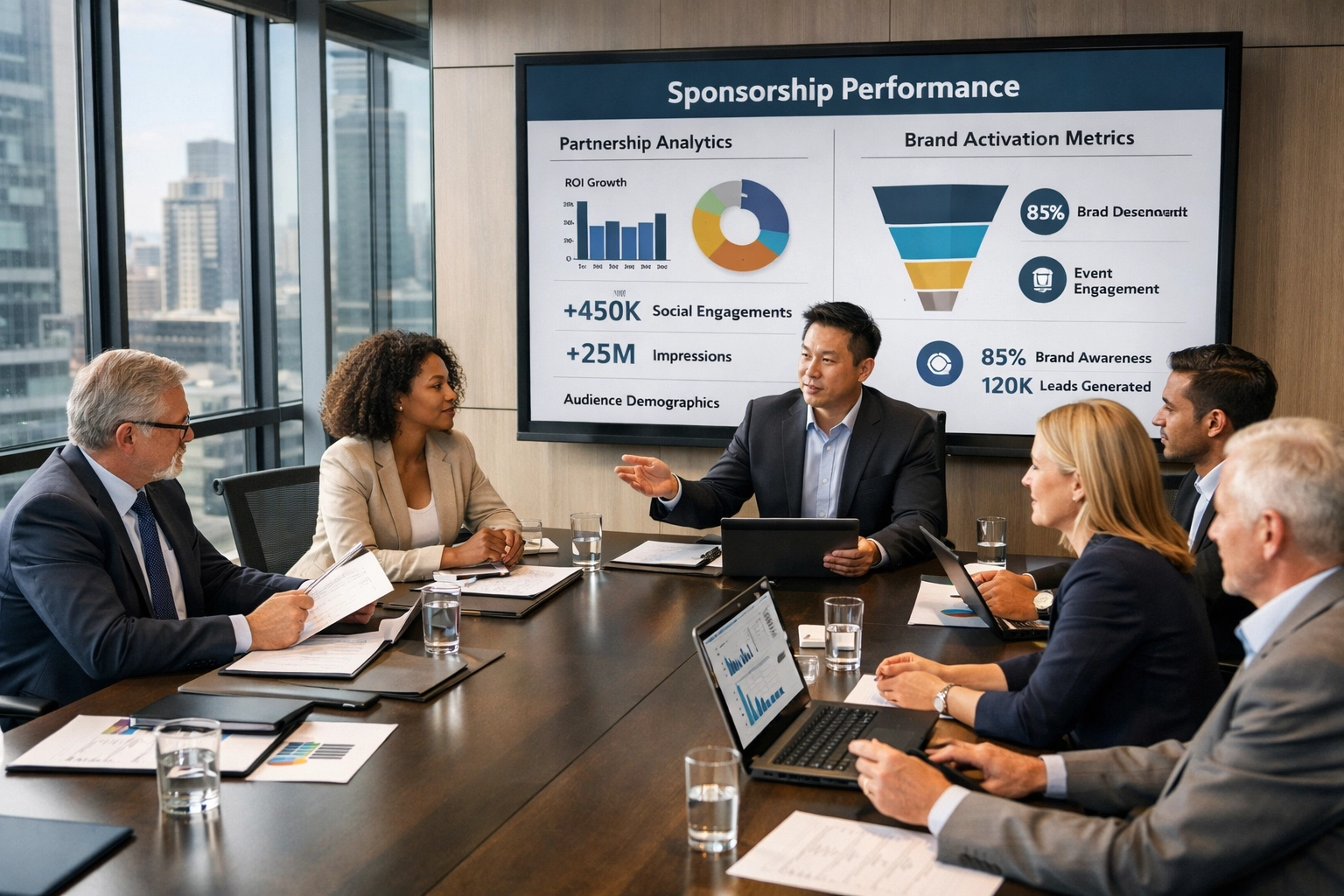
The Seven-Step Framework That Changes Everything
Step 1: Build Your Inventory Strategically
Before approaching a single potential partner, you need crystal-clear understanding of what you bring to the table. This goes far beyond listing available signage space or naming rights.
Your inventory includes audience demographics, engagement metrics, content distribution channels, event calendars, digital platforms, and mission alignment opportunities. In transportation settings, this might mean passenger foot traffic patterns and dwell times. For sports properties, it includes broadcast reach and social media followings. In esports environments, particularly educational settings with gaming pods, it encompasses student engagement data and parent community connections.
Document everything. Quantify where possible. Build packages that align with how sponsors actually think about marketing investments. The more specific you get about your assets, the easier it becomes to match them with the right brand objectives.
Step 2: Prospect with Purpose
Random outreach wastes everyone's time. Strategic prospecting identifies brands actively seeking to reach your specific audience with budgets allocated for partnership marketing.
Research companies expanding into your geographic market or demographic category. Look at brands that have sponsored similar properties. Use LinkedIn to identify decision-makers. Study annual reports to understand corporate priorities. Follow industry news to spot brands launching new products that align with your audience.
The goal isn't creating the longest prospect list. It's building a qualified shortlist of brands where authentic alignment exists. Quality beats quantity every time in sponsorship prospecting.

Step 3: Deliver Proposals That Speak Their Language
Generic sponsorship decks get deleted. Customized proposals that address specific business objectives get meetings.
Start every proposal by articulating the partner's goals in their own terms. Include relevant audience data, case studies from comparable activations, and tiered budget options that provide flexibility. Most importantly, present activation concepts with visual mock-ups that help sponsors envision the partnership.
In educational esports environments, this might mean showing how a technology brand's logo integrates into gaming pod setups while supporting STEM curriculum goals. For transportation partnerships, demonstrate how digital signage networks deliver repeated brand exposure to daily commuters. Make the vision tangible before asking for the investment.
Step 4: Execute Formal Agreements That Protect Everyone
Handshake deals and vague terms create problems down the road. Once a proposal gains approval, establish a detailed written agreement that documents every deliverable, timeline, payment term, and performance metric.
Consider offering multi-year contracts with incentive discounts to encourage longer commitments. Both parties benefit from stability. Sponsors get predictable costs and deepening brand associations. Properties get reliable revenue and time to optimize activations instead of constantly selling.
Clear agreements create accountability and trust. They also make Step 5 exponentially easier.

Step 5: Coordinate Every Detail Obsessively
This is where many partnerships fail. The contract gets signed, everyone celebrates, then execution becomes chaotic because nobody owns project management.
Set up shared dashboards that give both teams visibility into deliverable status. Assign specific owners with specific deadlines for every package item. Schedule regular check-ins to surface issues early. Track fulfillment meticulously.
In complex environments with multiple activation points, like entertainment venues with concurrent sponsorships or transportation networks spanning multiple locations, coordination becomes mission-critical. The brands that feel well-serviced during implementation become your best references and most likely renewals.
Step 6: Execute the Vision Across All Channels
Activation is where partnerships come alive. This step transforms contractual obligations into brand experiences that drive actual business results.
Deploy activation tactics across multiple touchpoints: on-site signage and branded spaces, digital content and social media campaigns, influencer collaborations, PR integration, sponsored experiences, cause-marketing initiatives, and community engagement programs.
For technology partnerships in educational esports settings, activation might include branded gaming stations with prominent logo placement, student tournaments sponsored by the brand, scholarship programs funded through the partnership, and social media content featuring the brand's role in supporting student success.
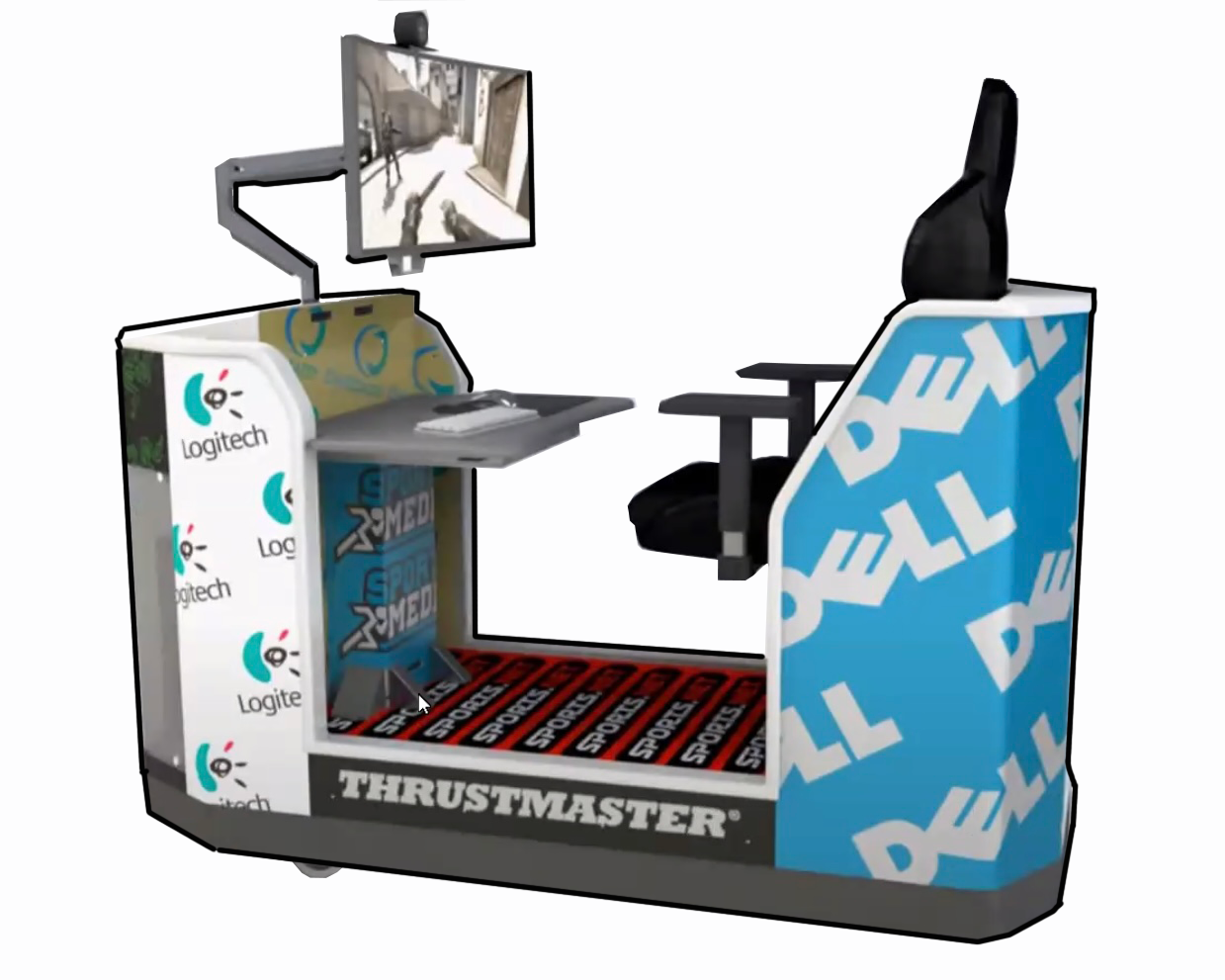
The key is creating authentic integration rather than forced brand insertions. When activations feel natural and add value to the audience experience, everyone wins.
Step 7: Review Results and Secure Renewals
Partnership success isn't measured at contract signing. It's measured at renewal time.
Build comprehensive reporting that tracks performance against the objectives established in Step 3. Lead with measurable wins. Be transparent about what worked and what didn't. Show how you've learned and adapted.
Schedule renewal conversations well before contracts expire. Revisit the sponsor's evolving strategy. Propose service upgrades that address new objectives. Offer multi-year extensions that provide stability for both parties.
Brands value predictability and proven ROI. When you consistently deliver both, renewals become conversations about expansion rather than justification.

Applying This Framework Across Sectors
This seven-step approach adapts beautifully across different partnership environments because it's built on fundamental principles rather than industry-specific tactics.
In sports venues, it transforms how teams and facilities monetize their brand equity while giving sponsors meaningful access to passionate fan bases. In entertainment properties, it creates partnerships that enhance rather than interrupt the audience experience. In transportation networks, it turns necessary infrastructure into valuable media inventory that serves travelers while generating revenue.
The framework's flexibility comes from its focus on alignment, customization, and measurement. Those principles transcend any single vertical.
Technology as an Activation Multiplier
Modern sponsorship activation increasingly relies on technology platforms that amplify reach and enable precise measurement. Digital signage networks, social media integration tools, mobile apps, RFID tracking systems, and data analytics platforms have transformed what's possible in partnership marketing.
Educational esports environments represent a particularly compelling case study. Gaming pods in high schools create controlled brand experiences where technology partners can showcase products while supporting educational outcomes. Students engage with branded equipment daily, parents see the partnership supporting learning objectives, and schools benefit from modern facilities without full capital expense.
These technology-enabled activations generate data that proves value to sponsors while creating authentic brand associations with younger demographics that traditional advertising struggles to reach effectively.
Moving Forward
The organizations that embrace systematic sponsorship frameworks will dominate partnership revenue over the next decade. Those that continue treating sponsorships as logo placements will watch partnerships erode and renewal rates decline.
Success requires commitment to the full seven-step process. Shortcuts in any stage compromise the entire framework. But when executed properly, this approach transforms sponsorships from necessary evils into strategic assets that drive growth for properties and partners alike.
Ready to transform your sponsorship strategy? Dakdan Worldwide helps organizations across sports, entertainment, transportation, and education build and activate partnerships that deliver measurable results. Contact Dan Kost directly at Dan@dakdan.com or call +1 (970) 578-4652 to discuss how this framework can work for your property.
Visit dakdan.com to explore our full range of media consulting, advertising solutions, and partnership services. Follow us on social media for ongoing insights into sponsorship activation strategies that work.
Contact Information:
Dakdan Worldwide
Denver, Colorado
Email: info@dakdan.com
Phone: +1 (970) 578-4652
Web: dakdan.com