
Sports sponsorships have evolved far beyond logo placements on jerseys and stadium signage. Brands investing millions into sports partnerships need more than visibility – they need measurable returns that justify every dollar spent. The gap between traditional sponsorship activation and performance-driven marketing continues to widen, leaving many brands struggling to connect fan engagement with actual revenue outcomes.
The solution lies in building a comprehensive sports advertising network framework that unifies data, tracks performance across channels, and turns passive sponsorships into active revenue generators. Here's how forward-thinking brands and agencies are making it happen.
Unified Cross-Channel Tracking: Your Foundation for Success
The modern sports fan doesn't experience games through a single channel. They watch on streaming platforms, check scores on mobile apps, engage on social media, and attend live events. Your sponsorship activation needs to mirror this multi-channel reality.
A unified tracking framework consolidates advertising data across national broadcast networks, regional sports networks, streaming platforms, social media, and physical stadium experiences. This means harmonizing creative assets and spending data into a single taxonomy where you can compare sponsorship performance side-by-side rather than in isolated silos.

Consider a national brand running sponsorships across both national broadcasts and regional sports networks. Without unified tracking, you're essentially flying blind on which markets deliver the strongest ROI. By consolidating data at the DMA and hyper-local level, you can identify where local sponsorships complement national campaigns and where they cannibalize each other.
This approach surfaces critical insights like creative execution frequency across platforms, spending allocation by market, and comparative performance between streaming and linear broadcasts. The result? Strategic decisions based on actual performance data rather than gut feelings or outdated metrics like impressions alone.
Leveraging First-Party Fan Data for Precision Activation
The retail media network playbook has revolutionized e-commerce advertising, and sports properties are catching on. The secret weapon? First-party fan data collected from ticketing systems, merchandise purchases, mobile apps, and digital properties.
This rich dataset enables highly targeted sponsorship activations that go far beyond demographics. You can identify fans based on purchase behavior, attendance patterns, engagement frequency, and content preferences. Ads rooted in this first-party fan data prove more relevant, more personalized, and significantly more profitable than traditional sponsorships limited to logo placements.
Imagine activating a quick-service restaurant sponsorship differently for fans who regularly attend games versus those who stream from home. The in-stadium attendee sees location-based offers driving immediate foot traffic to nearby locations. The streaming fan receives delivery promotions timed to game start. Same brand, same sponsorship investment, but dramatically different activation strategies driven by fan data.
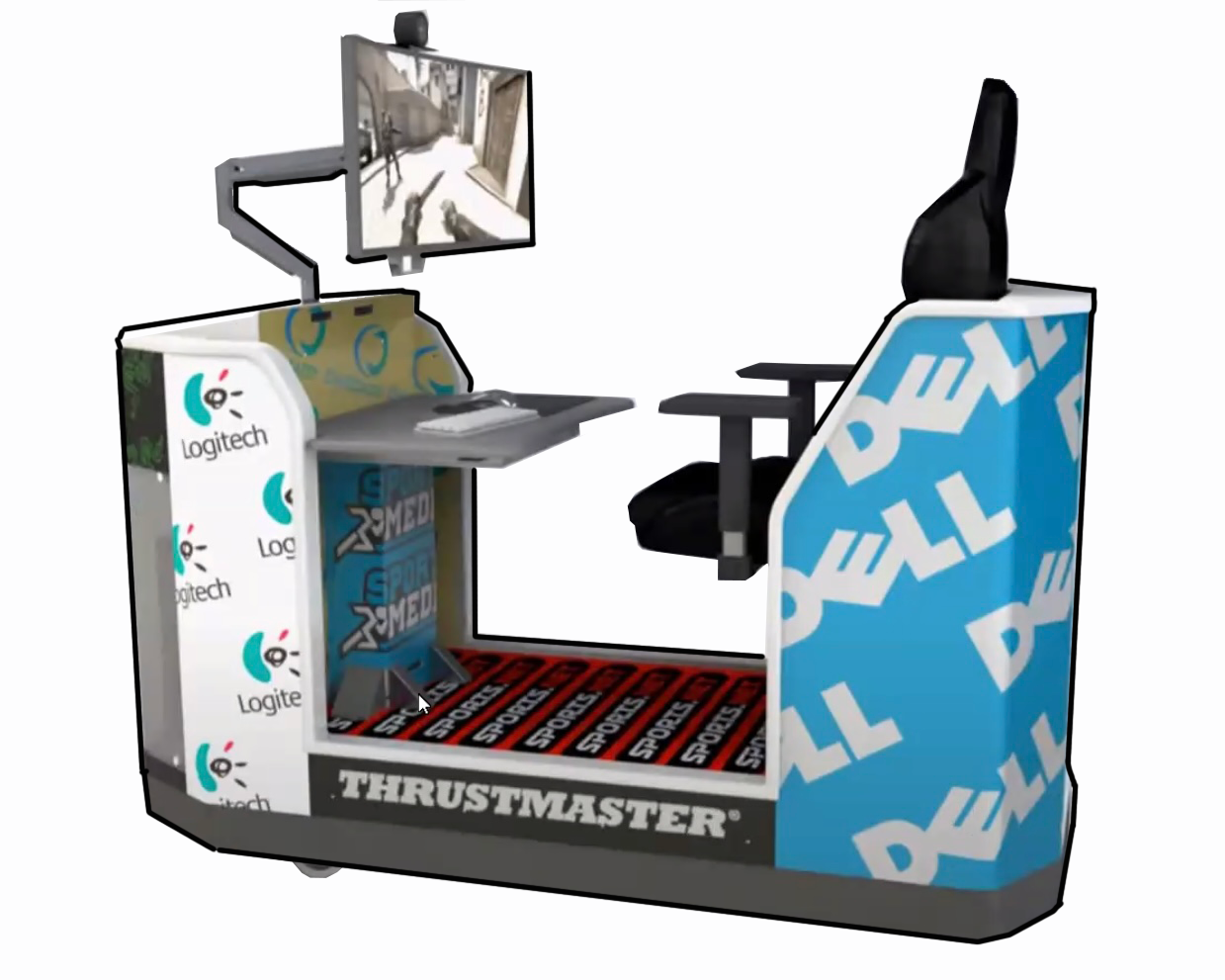
This precision extends to educational environments as well. Dakdan's esports pods in high schools create unique sponsorship opportunities where brands connect with student audiences through integrated gaming experiences. The data generated from these controlled environments provides sponsors with clear metrics on engagement, session duration, and brand recall – something traditional sports sponsorships rarely deliver.
Real-Time Measurement and Attribution: Connecting Dots to Dollars
Nearly half of avid sports fans report purchasing products advertised during live games. That's a massive opportunity, but without advanced analytics and cross-channel attribution, capturing this impact remains elusive for most brands.
Your measurement framework must connect key metrics like customer acquisition cost, lifetime value, and incremental revenue lift across all touchpoints. This requires real-time dashboards and predictive analytics spanning streaming, social, and traditional channels to optimize media spend dynamically.
The goal isn't just tracking – it's ensuring every impression contributes to measurable business outcomes. This means moving beyond vanity metrics like reach and impressions toward conversion events, attributed sales, and customer journey mapping that connects initial sponsorship exposure to final purchase.
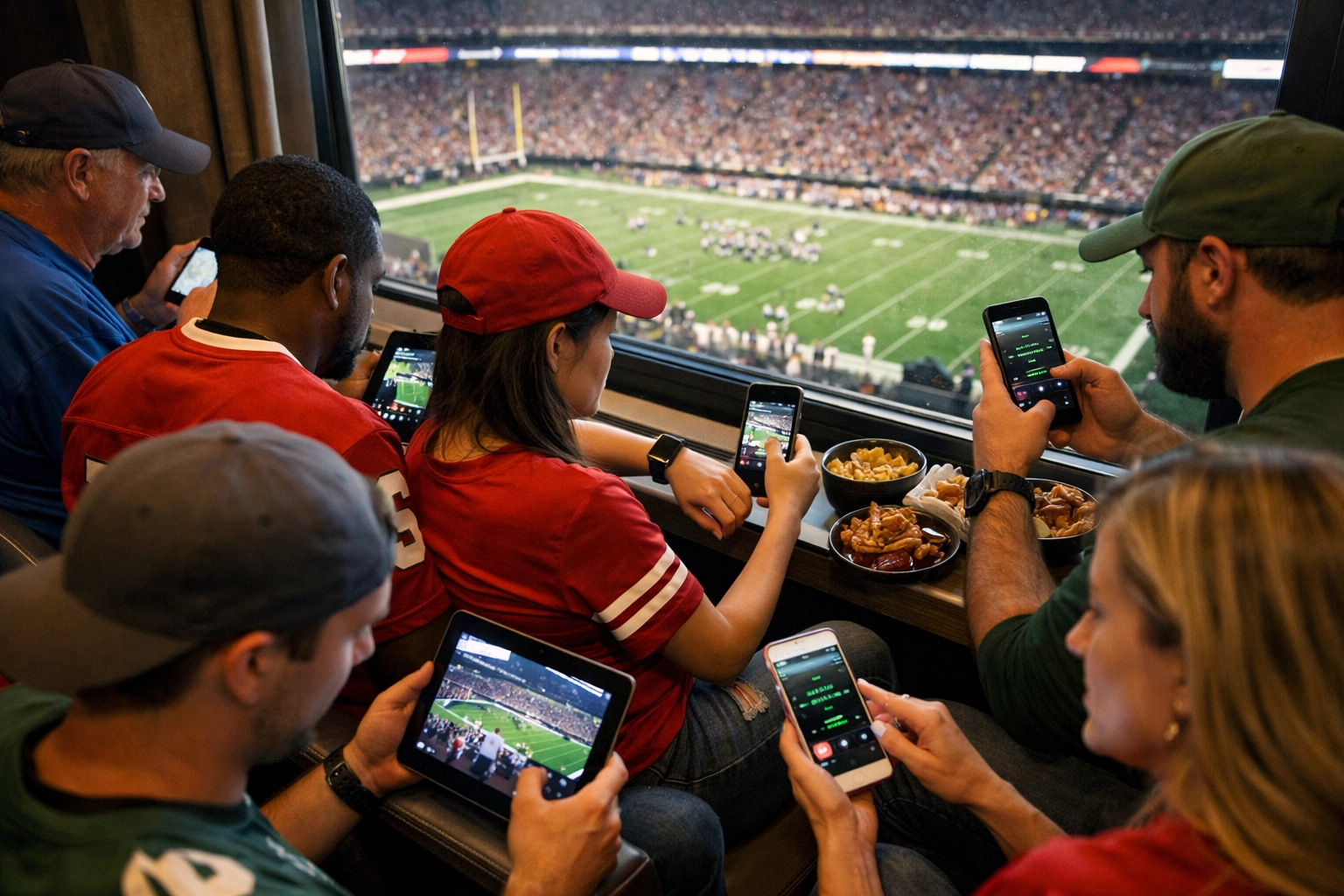
Implement pixel tracking across digital properties, unique promo codes for broadcast activations, and CRM integration that ties fan identification to purchase behavior. When a fan sees your stadium signage, engages with your social content, and then converts on your e-commerce site, your attribution model should capture that entire journey and assign appropriate credit to each touchpoint.
This level of measurement sophistication separates strategic sports marketing investments from budget line items that executives question during quarterly reviews.
Regional and Hyper-Local Targeting That Drives Local Revenue
National brands often miss the power of regional sports sponsorships because they lack visibility into local market performance. Yet some of the highest-performing sponsorship activations happen at the hyper-local level with city-specific promotions, regional dealer campaigns, and limited-time offers exclusive to particular markets.
Your framework must track activity at the DMA and hyper-regional level to ensure local investments receive proper visibility and measurement. This is particularly crucial for brands with franchise models, regional distributors, or location-based services where national awareness must translate into local action.
A automotive brand running dealership promotions during regional sports broadcasts needs to track not just national brand lift but specific dealer traffic, test drive appointments, and vehicle sales by market. The sponsorship only works if it drives customers through local dealership doors – national metrics alone won't tell that story.
Extending Engagement Beyond the Game
Traditional sponsorship thinking limits activation to the 2-3 hour game window. Modern frameworks extend brand presence across an entire ecosystem of fan engagement through always-on digital properties and connected TV platforms.
This approach allows sponsorship benefits to compound well beyond the broadcast itself, building sustained fan loyalty through multiple touchpoints. Pre-game content, post-game analysis, highlight reels, behind-the-scenes footage, athlete interviews, and fan-generated content all become sponsorship inventory when properly integrated into your network framework.

Consider how streaming platforms enable sponsors to appear in personalized content recommendations, interactive overlays during on-demand viewing, and targeted pre-roll based on viewing history. These extended touchpoints often deliver higher engagement rates than in-game placements because they reach fans when they're actively seeking sports content rather than passively watching.
The esports pod experiences we've developed demonstrate this principle perfectly. Student engagement extends far beyond individual gaming sessions into tournament viewing, community discussions, and ongoing brand interaction within the educational environment. Sponsors benefit from sustained exposure rather than fleeting impressions.
Building Your Framework with Expert Partners
Implementing a comprehensive sports advertising network framework requires specialized expertise across media planning, data analytics, creative production, and sponsorship activation. The technical complexity of unified tracking systems, attribution modeling, and real-time optimization demands partners who live and breathe this space daily.
At Dakdan Worldwide, we've built our consulting practice around helping brands and properties architect these frameworks from the ground up. Our approach combines strategic media planning with hands-on activation support and transparent performance reporting that connects sponsorship investments to business outcomes.
Whether you're a brand seeking to maximize existing sponsorship investments or a property looking to offer sponsors more compelling packages backed by real data, the framework we've outlined provides the roadmap. The key is starting with clear business objectives, building measurement infrastructure that captures the metrics that matter, and continuously optimizing based on performance insights.
Take the Next Step Toward Measurable Sponsorship Success
Stop treating sports sponsorships as unmeasurable brand-building exercises and start extracting the performance marketing value they're capable of delivering. The framework exists, the technology is available, and the competitive advantage belongs to brands and agencies bold enough to demand more from their sports advertising investments.
Ready to transform your sports sponsorship strategy from expense to revenue driver? Let's build your custom framework together.
Contact Dakdan Worldwide:
- Website: dakdan.com
- Email: info@dakdan.com
- Phone: +1 (970) 578-4652
- Press Inquiries: press.dakdan.com
Connect with us on social media for daily insights on sports marketing, sponsorship activation, and measurable advertising strategies that drive real business results.