
FOR IMMEDIATE RELEASE
Colorado, USA – Managing communications across multiple brands, properties, and partnerships has become one of the most complex challenges facing sports industry leaders today. As media holding companies, sports organizations, and entertainment venues expand their portfolios, the need for streamlined, automated press release systems has never been more critical.
Dakdan Worldwide, a media holding and consulting company specializing in advertising, entertainment, and sports, addresses this challenge head-on with innovative multi-brand press release automation strategies that save time, maintain brand consistency, and amplify reach across diverse audiences.
The Multi-Brand Communication Challenge
Sports industry leaders often oversee multiple properties simultaneously. A single organization might manage college bowl games, esports tournaments, travel services, entertainment venues, and consulting operations – each requiring distinct messaging, timing, and audience targeting.
Traditional press release approaches create bottlenecks. Communication teams spend countless hours drafting individual releases, coordinating approvals across departments, and manually distributing content through various channels. This fragmented approach leads to inconsistent messaging, missed opportunities, and exhausted teams.
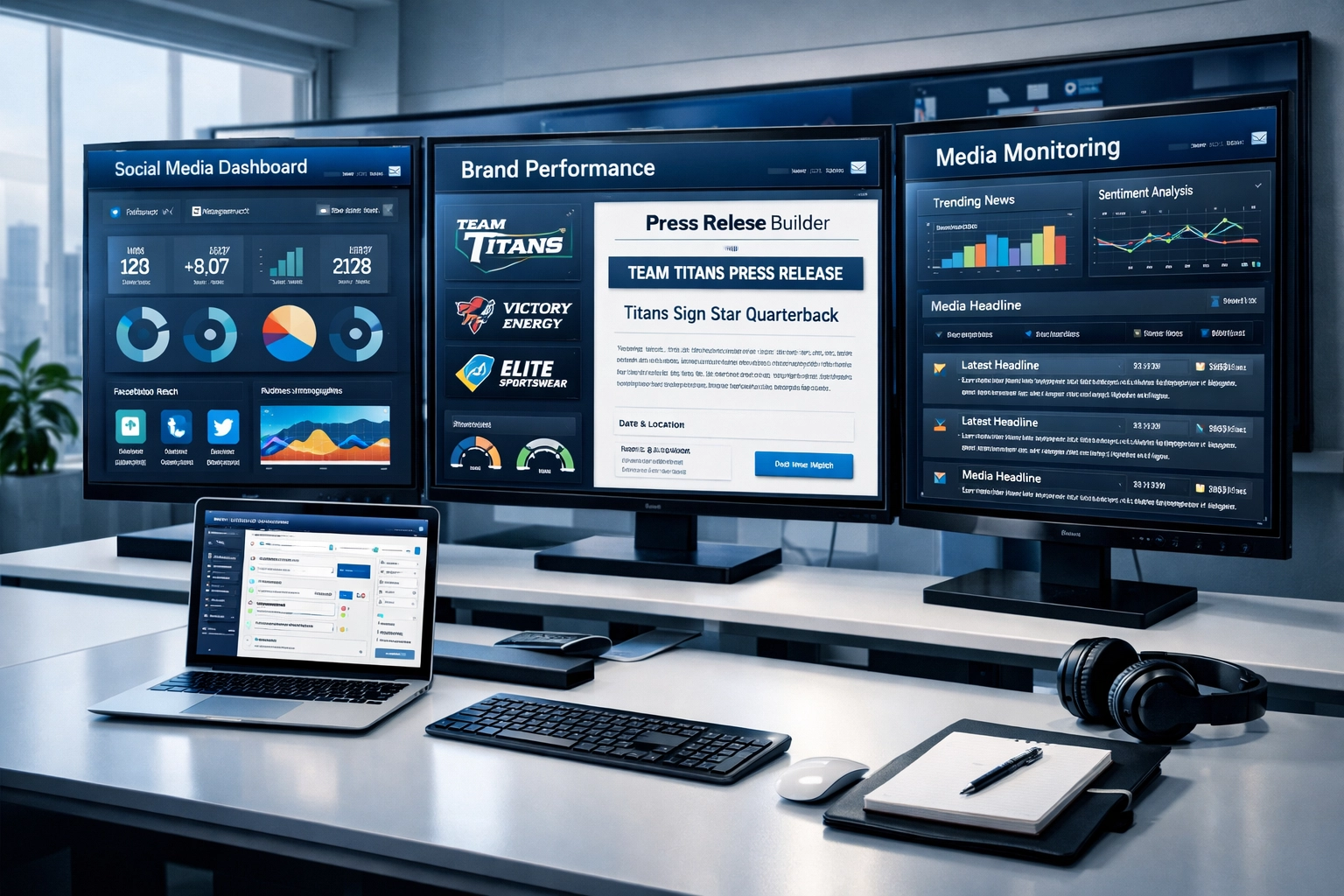
What Multi-Brand Press Release Automation Actually Means
Multi-brand press release automation isn't about removing the human element from communications. Instead, it's about creating intelligent systems that handle repetitive tasks while freeing teams to focus on strategy, creativity, and relationship building.
The core components include:
Centralized Content Management – A single hub where all brand messages, approved language, and media assets live. Teams can access pre-approved content blocks, ensuring consistency while allowing customization for specific properties or announcements.
Scheduled Distribution Workflows – Automated systems that distribute press releases at optimal times across multiple channels, from traditional newswires to social media platforms and industry-specific outlets.
Template Libraries – Pre-built templates for common announcement types (partnership reveals, event updates, personnel changes, service launches) that maintain brand voice while accelerating production.
Approval Routing – Automated workflows that route drafts to appropriate stakeholders based on content type, ensuring proper review without manual coordination.
The Sports Industry Advantage
Sports organizations gain unique benefits from press release automation. Consider these scenarios:
A media holding company managing multiple sports properties can coordinate announcements across its portfolio without conflicts. When one property secures a major sponsorship, automated systems ensure the news reaches appropriate outlets while cross-promoting related properties where relevant.

College athletics programs using esports pods in high schools can systematically communicate updates to prospective sponsors, educational partners, and student audiences through targeted, automated releases. Each stakeholder group receives tailored messaging highlighting benefits specific to their interests.
Entertainment and advertising agencies can maintain consistent communication rhythms with clients and media contacts, sharing case studies, service updates, and industry insights without manual distribution overhead.
Building Your Automation Framework
Implementing multi-brand press release automation requires strategic planning. The most successful sports industry leaders follow this framework:
Step 1: Audit Your Current State – Document all brands, properties, and partnerships requiring regular communication. Identify common announcement types, frequency patterns, and distribution channels. Recognize overlaps and opportunities for standardization.
Step 2: Establish Brand Guidelines – Create comprehensive voice, tone, and messaging guidelines for each property. Define non-negotiable brand elements and flexible components that can adapt based on announcement specifics.
Step 3: Map Distribution Channels – Inventory all outlets where press releases should appear, from industry publications to social platforms. Understand audience preferences and optimal timing for each channel.
Step 4: Build Template Libraries – Develop modular templates that maintain brand integrity while allowing customization. Include standardized sections for contact information, company descriptions, and calls to action.
Step 5: Implement Technology Solutions – Select platforms that integrate with existing systems, support workflow automation, and provide analytics on release performance.
Technology and Services Integration
Modern press release automation leverages multiple technology layers working in concert. Content management systems store and organize materials. Distribution platforms handle multi-channel delivery. Analytics tools track engagement and measure impact. Customer relationship management systems maintain media contacts and stakeholder databases.
The most effective approaches integrate these technologies into unified workflows. When a sports organization announces a new partnership, for example, the system automatically pulls appropriate brand assets, inserts stakeholder-specific messaging, routes the release through approval chains, schedules distribution across relevant channels, and triggers follow-up communications to key contacts.
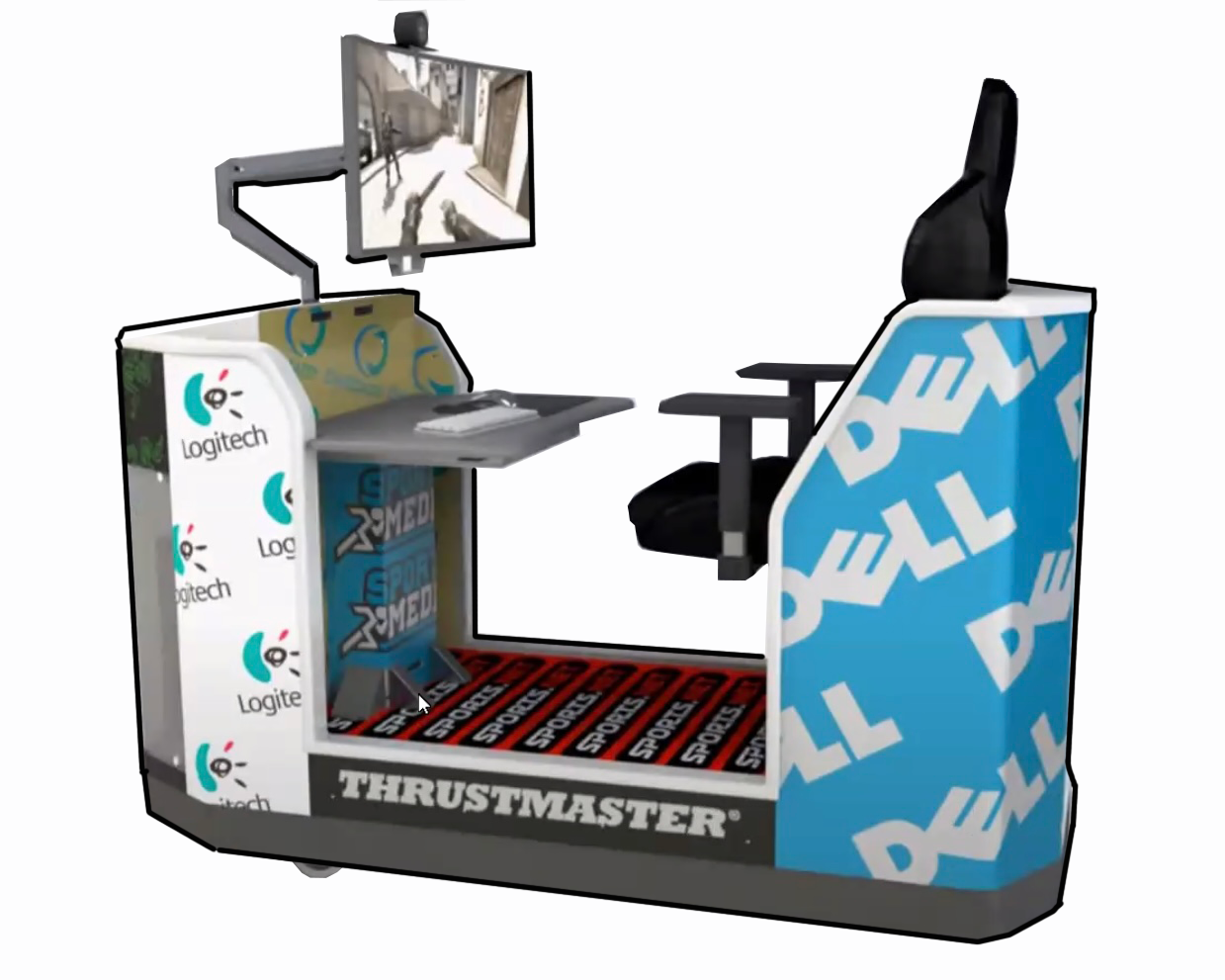
This integration becomes especially powerful for organizations promoting innovative offerings like esports pods for educational settings. Automated systems can coordinate announcements to multiple audiences – schools exploring esports programs, brands seeking youth engagement opportunities, and educational technology media – with tailored messaging for each group while maintaining overall campaign consistency.
Maintaining the Human Touch
Automation doesn't mean losing authenticity. The most successful implementations enhance human capabilities rather than replacing them.
Communication teams shift from tactical execution to strategic oversight. Instead of manually distributing releases, they analyze performance data, identify emerging opportunities, cultivate media relationships, and refine messaging strategies based on real-world results.
Automated systems handle scheduling and distribution, but humans craft compelling narratives, respond to media inquiries, and make judgment calls about timing and positioning. This division of labor maximizes both efficiency and effectiveness.
Measuring Success
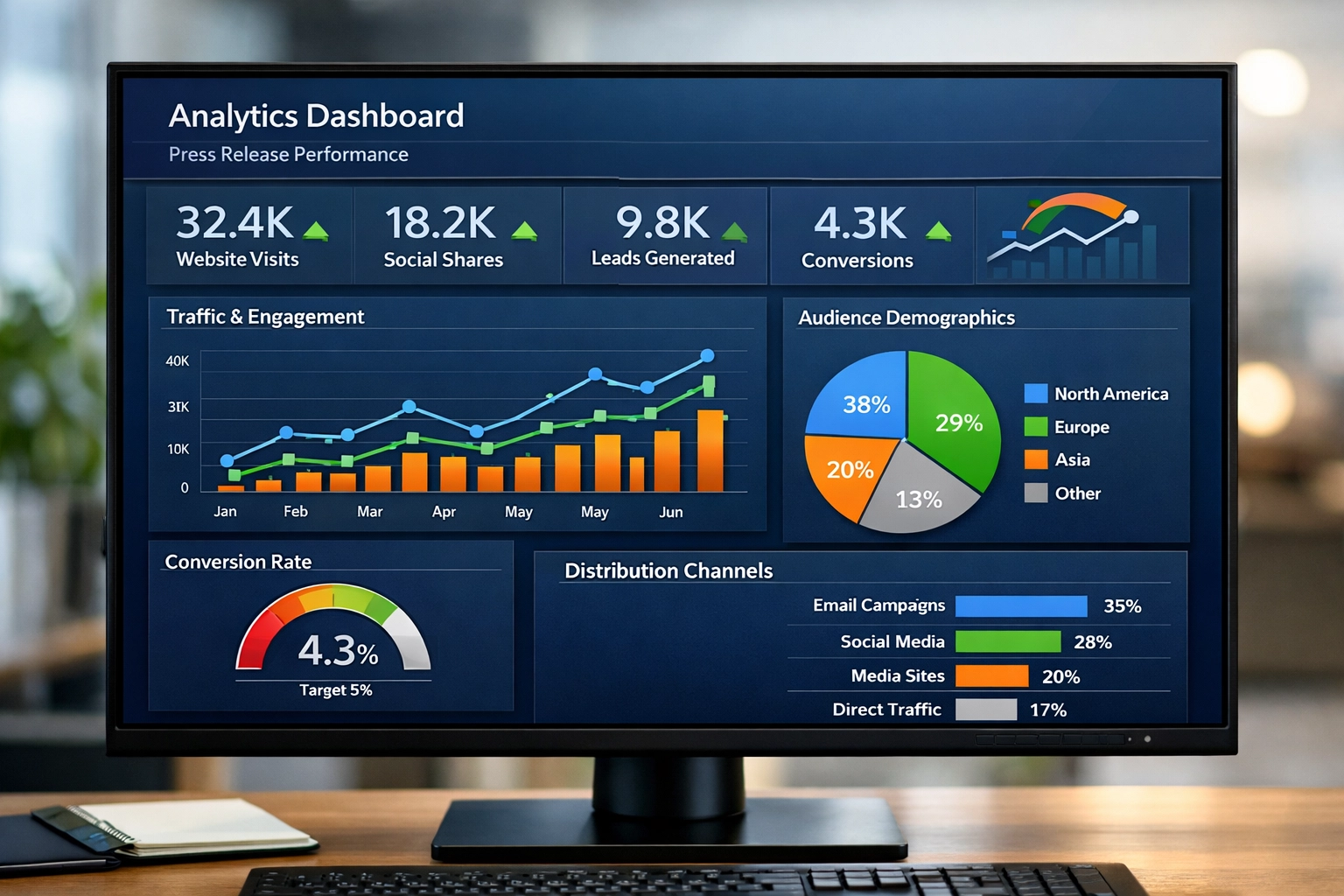
Effective multi-brand press release automation requires ongoing measurement and optimization. Key performance indicators include:
- Distribution speed and accuracy across channels
- Media pickup rates and publication quality
- Audience engagement metrics (opens, clicks, shares)
- Time savings compared to manual processes
- Brand consistency scores across properties
- Stakeholder satisfaction with communication frequency and relevance
Advanced implementations use machine learning to identify patterns in successful releases, automatically adjusting timing, channels, and messaging elements to improve performance over time.
Real-World Applications
Consider how multi-brand automation supports diverse sports industry operations:
Media holding companies managing multiple sports properties can coordinate seasonal announcements, partnership reveals, and event updates across their portfolio while ensuring each brand maintains distinct positioning.
Consulting firms serving sports organizations can systematically share thought leadership, case studies, and service updates with prospects and clients, maintaining top-of-mind awareness without overwhelming teams.
Entertainment venues hosting sporting events can automate pre-event promotion, coordinate with sponsor announcements, and manage post-event coverage across multiple stakeholder groups.
Future-Proofing Your Communications
The sports industry continues evolving rapidly. New platforms emerge, audience preferences shift, and competitive pressures intensify. Multi-brand press release automation provides the flexibility and scalability needed to adapt.
Organizations can quickly add new properties to existing systems, experiment with emerging distribution channels, and adjust messaging strategies based on performance data – all without rebuilding communication infrastructure from scratch.
Getting Started
Sports industry leaders ready to implement multi-brand press release automation should begin with pilot programs focused on high-frequency announcement types. Test templates, workflows, and distribution strategies with limited scope before expanding across all properties.
Successful pilots demonstrate value quickly, building organizational support for broader implementation. They also reveal property-specific needs and opportunities that inform enterprise-wide strategies.
The transition to automated systems requires initial investment in technology, training, and process development. However, organizations consistently report significant returns through time savings, improved consistency, expanded reach, and enhanced team satisfaction.
Contact Information:
Dan Kost
CEO, Dakdan Worldwide
Email: Dan@dakdan.com
Phone: (970) 436-0580
General Inquiries: info@dakdan.com
Company Phone: +1 (970) 578-4652
About Dakdan Worldwide:
Dakdan Worldwide is a strategic media holding company specializing in consulting, advertising, entertainment, and sports. Through innovative technology solutions and integrated services, Dakdan helps organizations streamline operations, amplify their reach, and achieve measurable results across diverse markets.
Learn more about our technology and services at dakdan.com or explore our innovative esports solutions, bowl game partnerships, and travel services. Connect with us on social media using #askdakdan for direct access to our team.

Visit press.dakdan.com for the latest company announcements and dakdan.com/contact to discuss how multi-brand press release automation can transform your sports organization's communications strategy.