
Here's the reality: most large-scale productions fail before they even begin. Not because of budget constraints or talent shortages, but because teams skip the framework and jump straight into execution. Stadium events run over budget. TV shows miss their creative vision. Brand activations look impressive but deliver zero measurable results.
After working across media production, consulting, and live events, we've refined a repeatable framework that works whether you're producing a 50,000-seat stadium activation, a broadcast television series, or an immersive brand experience. This isn't theory. It's the exact process we use to deliver productions that convert audiences into customers.
The Six-Phase Creative Production Framework
Phase 1: Strategic Ideation and Stakeholder Alignment
The foundation of any successful production starts with clarity. Before a single dollar gets allocated or a vendor gets contacted, you need complete alignment on three critical questions:
What problem are we solving? Every production serves a purpose beyond "creating something cool." Are you building brand awareness? Driving ticket sales? Activating a sponsorship? Your creative concept should directly address a measurable business objective.
Who are we reaching? Stadium crowds behave differently than TV audiences, and TV audiences behave differently than social media users. Define your primary and secondary audiences with specificity. Demographics matter, but psychographics matter more.
What does success look like? Establish your KPIs before production begins. For brand activations, this might be social impressions, email captures, or product trials. For stadium events, it could be attendance numbers, merchandise sales, or partnership renewals.
During this phase, we bring together every stakeholder – creative directors, brand managers, venue operators, sponsors, and technical teams. One misaligned stakeholder can derail an entire production six weeks before launch.
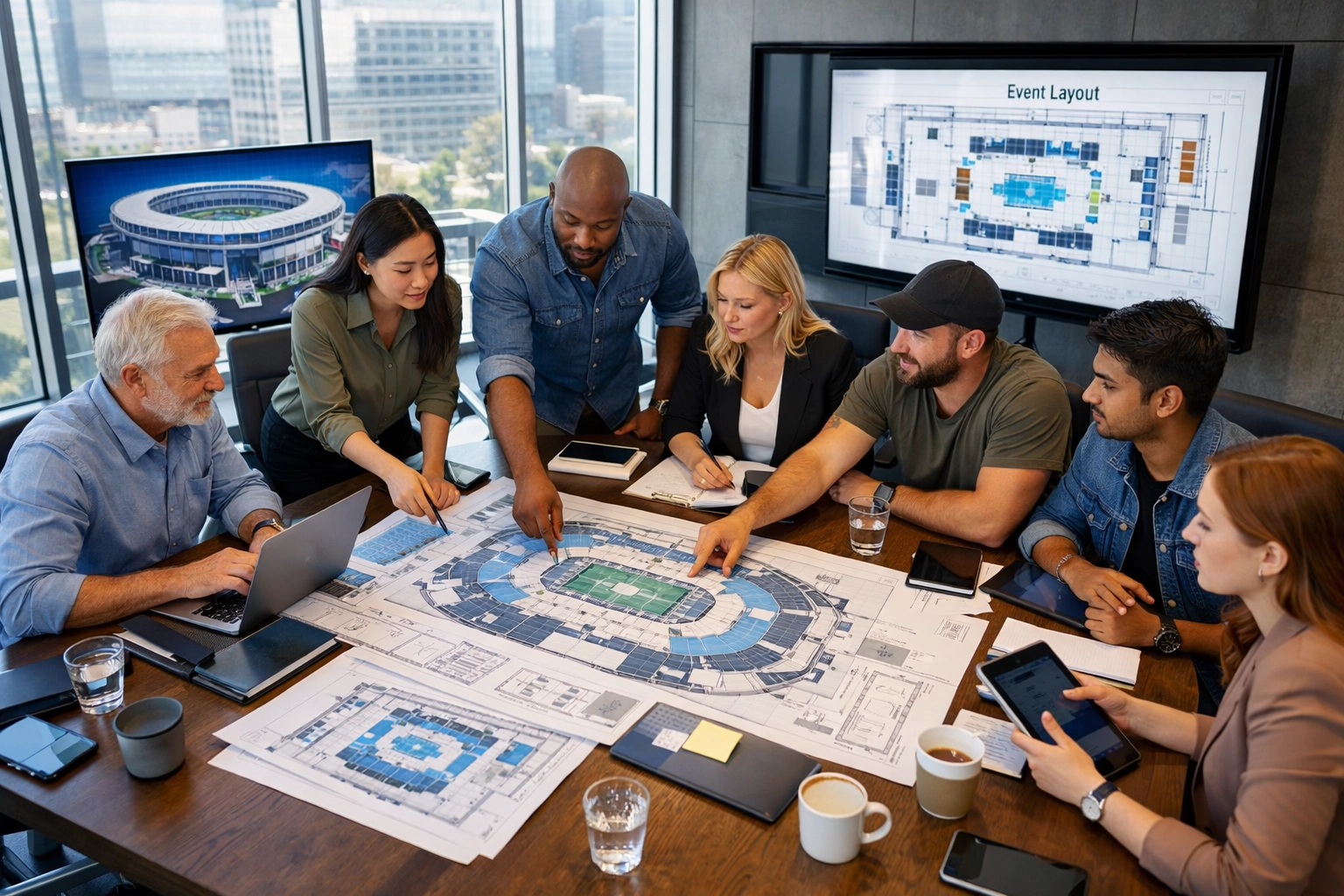
Phase 2: Production Planning and Resource Allocation
Once the vision is clear, the real work begins. This phase separates amateur productions from professional operations.
Scope mapping: Break down every deliverable into discrete tasks. A stadium halftime show isn't one task – it's venue walkthroughs, talent coordination, rehearsal scheduling, technical load-in, audio engineering, lighting design, camera operations, and broadcast integration. Each element needs an owner.
Budget allocation: Allocate resources based on impact, not preferences. We've seen brands spend 60% of their budget on visual spectacle while underfunding the measurement infrastructure that proves ROI. Smart producers balance creative excellence with business intelligence.
Timeline development: Work backward from your launch date. Stadium events require 90-120 days minimum for proper execution. TV shows need even longer timelines for scripting, casting, and post-production. Build in buffer time because something will always take longer than expected.
Team assignment: Define roles with precision. Who makes creative decisions? Who approves budget changes? Who manages vendor relationships? Ambiguity kills momentum.
For complex productions involving multiple locations or simultaneous activations, we use a centralized project management system that provides real-time visibility across every workstream. Transparency prevents surprises.
Phase 3: Creative Development and Production Execution
This is where your planning meets reality. Whether you're building an esports pod installation in a high school gymnasium or coordinating a multi-camera broadcast for a championship game, execution discipline determines outcomes.
Content creation: Develop your creative assets with conversion in mind. Every visual element, every script line, every audio cue should advance your strategic objective. Beautiful production that doesn't convert is just expensive art.
Technical coordination: Stadium events require coordination between venue operations, broadcast partners, talent teams, and sponsor activation zones. One technical failure cascades. Test everything twice. Then test it again.
Vendor management: Your production is only as good as your weakest vendor. Establish clear communication protocols, milestone check-ins, and quality standards. For TV production, this includes everything from set design to post-production studios.
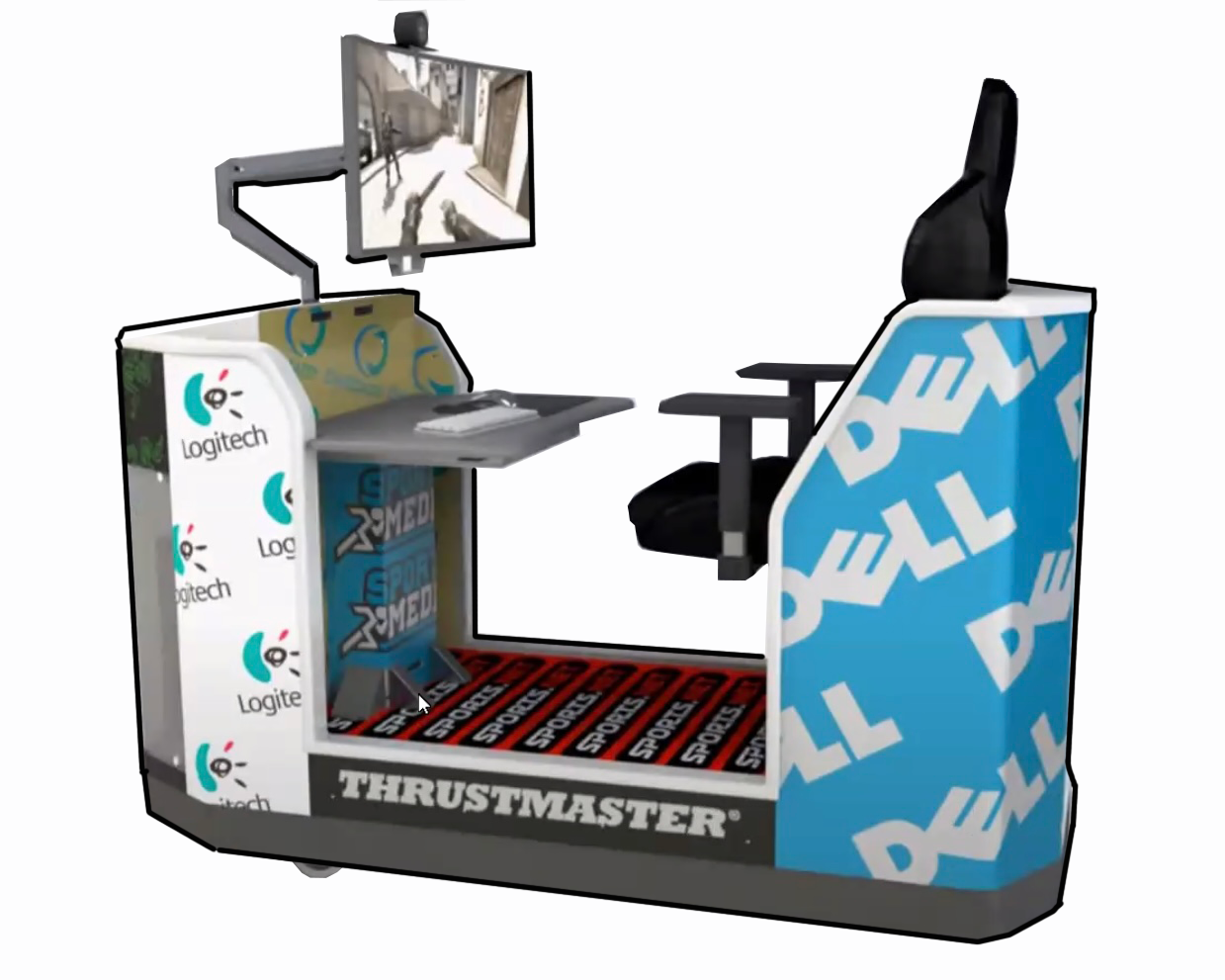
For educational environments like esports pods in schools, the production framework adapts to include curriculum integration, student engagement protocols, and brand partnership activation. These installations create recurring touchpoints with high school audiences, something traditional advertising can't achieve.
Phase 4: Post-Production Refinement and Quality Assurance
Raw production is never final production. This phase transforms good content into exceptional experiences.
Editing and enhancement: For broadcast content, this means cutting for pacing, color correction, audio mixing, and graphics integration. For live events, it's about reviewing documentation, capturing highlight reels, and creating post-event content.
Testing and iteration: Before going live, test your production with a sample audience. Their feedback will reveal blind spots your team missed. For brand activations, this might mean soft-launching in a controlled environment before the main event.
Compliance verification: Ensure every element meets venue requirements, broadcast standards, sponsor agreements, and legal obligations. A missed logo placement or an unapproved audio track can create expensive problems.
The refinement phase is where conversion optimization happens. Small adjustments to call-to-action placement, messaging timing, or audience interaction points can dramatically improve results.
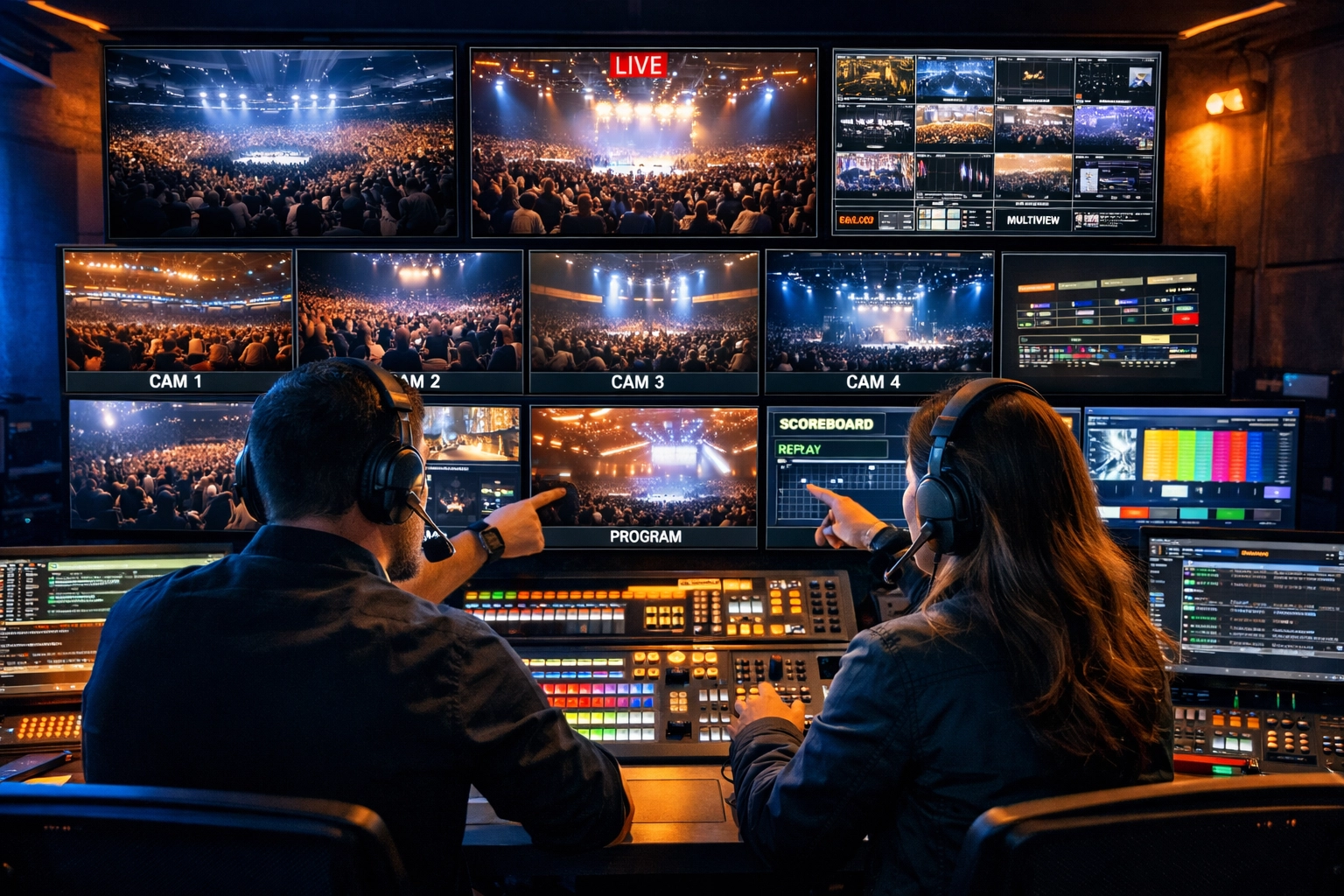
Phase 5: Launch and Real-Time Management
Launch day separates planners from executors. Even perfect preparation requires adaptive management when reality unfolds.
Command center operations: Establish a central coordination point where decision-makers can respond to real-time developments. For stadium events, this means managing crowd flow, technical adjustments, and sponsor requirements simultaneously.
Performance monitoring: Track your established KPIs in real-time. If a brand activation isn't generating expected engagement, you need to know immediately so you can adjust tactics before the event concludes.
Stakeholder communication: Keep sponsors, partners, and internal teams informed. Proactive updates prevent panic when minor issues arise.
The best productions include contingency protocols for common failure points: backup equipment, alternative talent, revised run-of-show sequences, and emergency communication channels.
Phase 6: Analysis and Framework Optimization
The production doesn't end when the stadium lights go down or the broadcast feed cuts. The most valuable insights come afterward.
Data collection: Gather every measurable outcome – attendance figures, social media metrics, survey responses, sales data, sponsor feedback, and operational notes.
Performance analysis: Compare results against your phase-one objectives. Where did you exceed expectations? Where did you fall short? What external factors influenced outcomes?
Team debrief: Conduct honest retrospectives with your full production team. The sound engineer might have insights that improve your next event. The brand activation coordinator might identify efficiency improvements worth thousands of dollars.
Documentation: Create a production playbook that captures what worked, what didn't, and what you'll do differently next time. Your next production should be easier than this one.
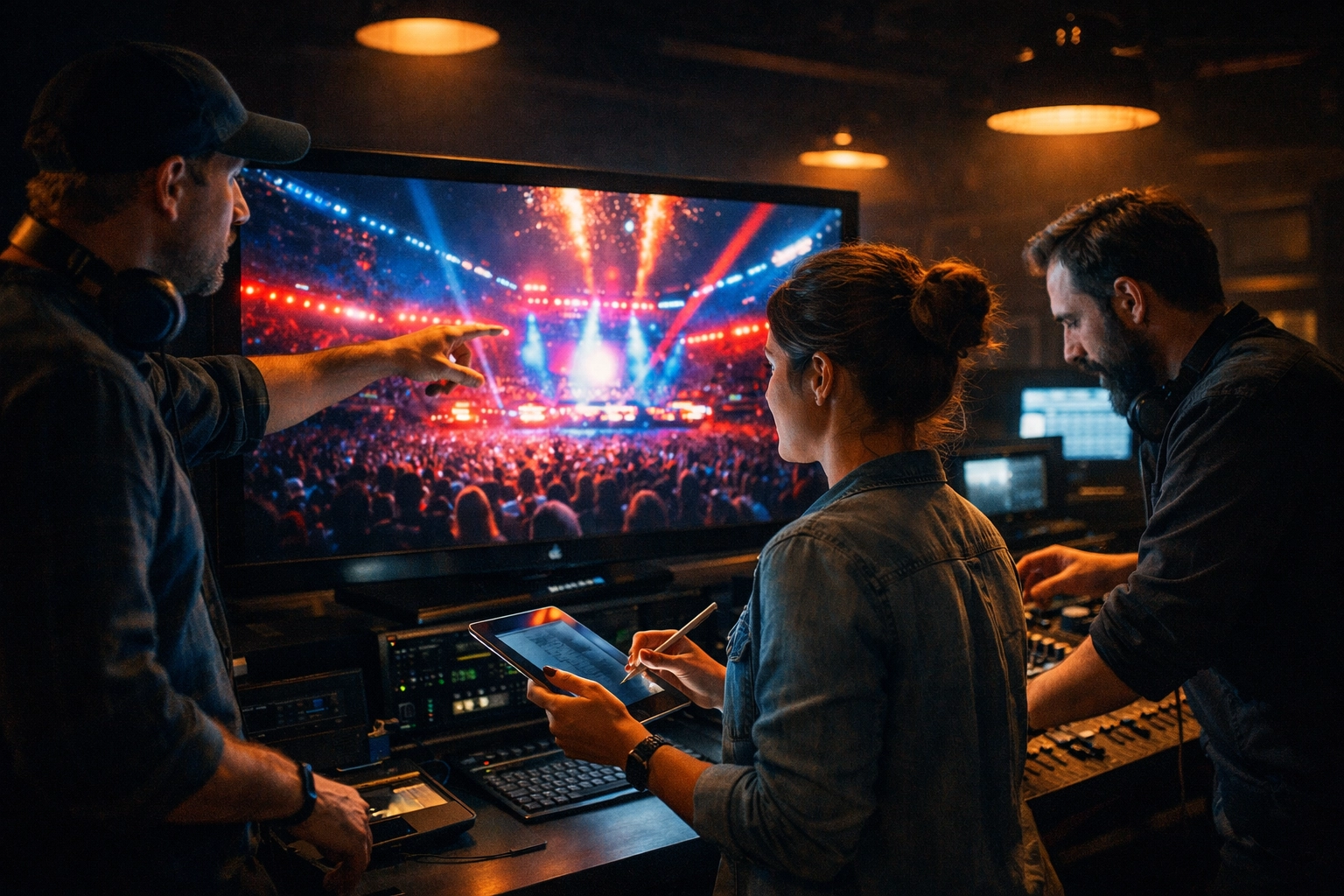
Converting Framework Into Results
This framework works because it treats creative production as a strategic business function, not just an artistic exercise. When you execute stadium events, TV shows, and brand activations with this level of discipline, you create experiences that don't just impress audiences – they convert them into customers, fans, and advocates.
The difference between a memorable event and a profitable one is measurement. The difference between a one-time activation and a repeatable success is documentation. The difference between good production and great production is framework discipline.
Whether you're planning a championship viewing party for 40,000 fans, producing a broadcast series, or installing branded esports pods in educational facilities, this framework scales. The principles remain constant even as the specifics change.
Ready to Execute Productions That Convert?
At Dakdan Worldwide, we've built our media and consulting practice around frameworks that deliver measurable results. From stadium activations to broadcast production to educational esports installations, we help brands execute large-scale productions with precision and purpose.
Want to discuss how this framework applies to your next production? Let's talk about turning your vision into a conversion-driving reality.
Contact Dan Kost
Email: info@dakdan.com
Phone: +1 (970) 578-4652
Website: dakdan.com
Connect with us on social media and explore our latest projects at press.dakdan.com. For career opportunities in media production and consulting, visit dakdan.com/career.
![[#askdakdan] Interactive Brand Engagement](https://cdn.marblism.com/tP_Ruasoo3x.png)