
FOR IMMEDIATE RELEASE
Colorado, USA – When it comes to sports brand partnerships, marketing leaders face a critical decision: invest in modern sports advertising networks or stick with traditional media buying? The answer isn't as simple as choosing one over the other, but understanding how each approach drives results can transform your partnership strategy.
The Sports Advertising Landscape Has Changed
The way brands connect with sports audiences has evolved dramatically. Traditional media buying, once the only game in town, now competes with sophisticated advertising networks that promise precise targeting, real-time optimization, and measurable engagement. But does newer always mean better?
For brands looking to maximize their sports marketing investment, the choice between these approaches depends on understanding what each one actually delivers, and more importantly, how they can work together to create a comprehensive strategy that reaches audiences wherever they are.

What Sports Advertising Networks Bring to the Table
Sports advertising networks operate on a fundamentally different model than traditional media buying. These platforms connect brands with sports properties, teams, leagues, and digital channels through unified ecosystems that prioritize data-driven targeting and performance metrics.
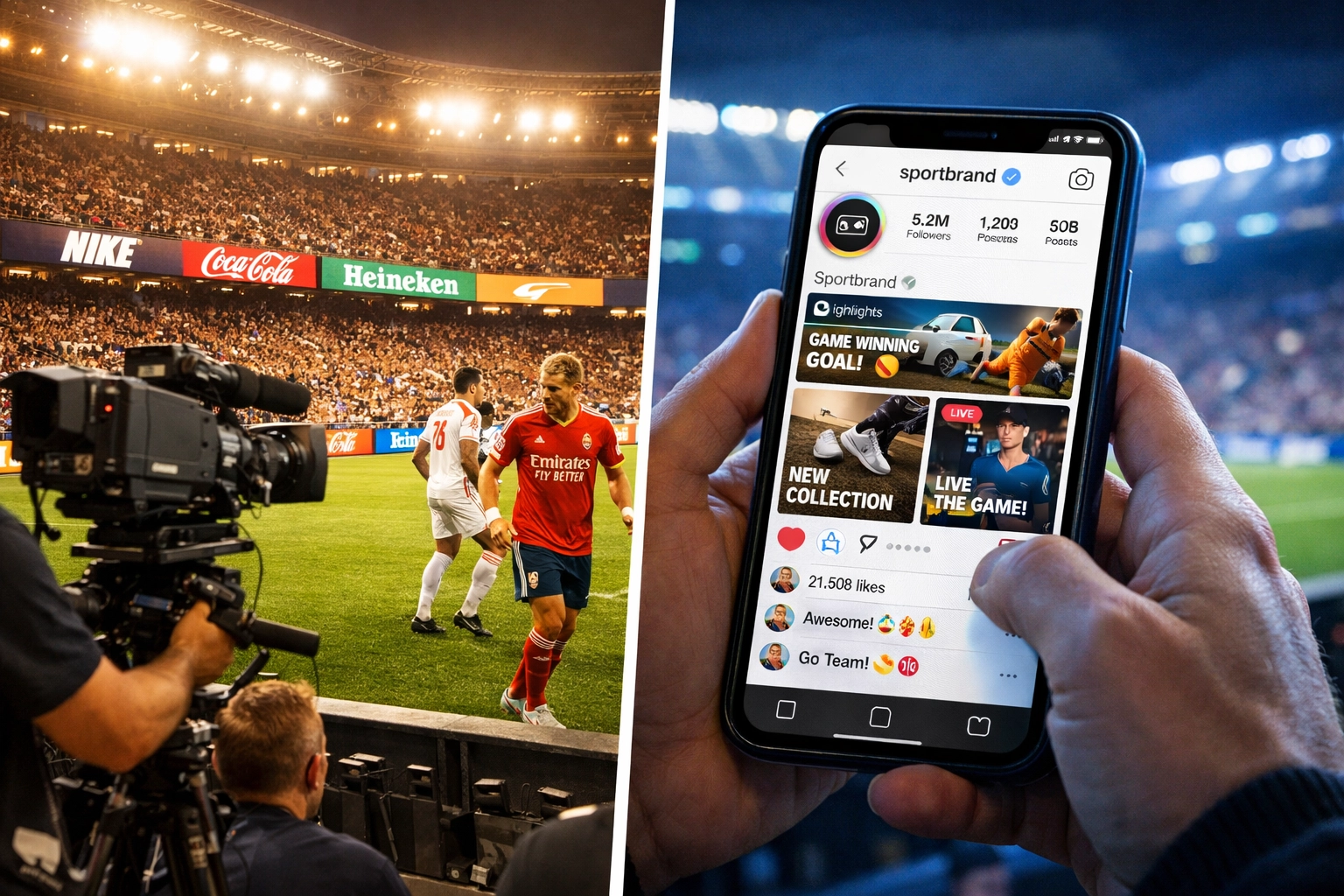
The biggest advantage? Personalization at scale. When teams, sponsors, and digital platforms share insights, they can refine marketing strategies and create experiences that resonate with specific audience segments. A sneaker brand can target basketball fans who engage with highlight reels on Instagram, while a protein supplement company reaches weightlifting enthusiasts following strength training content on YouTube.
Sports advertising networks also excel at creating what experts call "seamless integration." Instead of interrupting the sports experience, these campaigns blend into users' social feeds, streaming platforms, and mobile apps. The result is higher engagement without the friction that makes traditional advertising feel intrusive.
Digital-first sports partnerships leveraging Instagram, TikTok, and Twitter create what researchers describe as a "ripple effect." A single sponsorship activation can generate waves of user-generated content, reshares, and organic engagement that extends far beyond the initial investment. This amplification effect is difficult, if not impossible, to achieve through traditional media alone.
Traditional Media Buying Still Packs a Punch
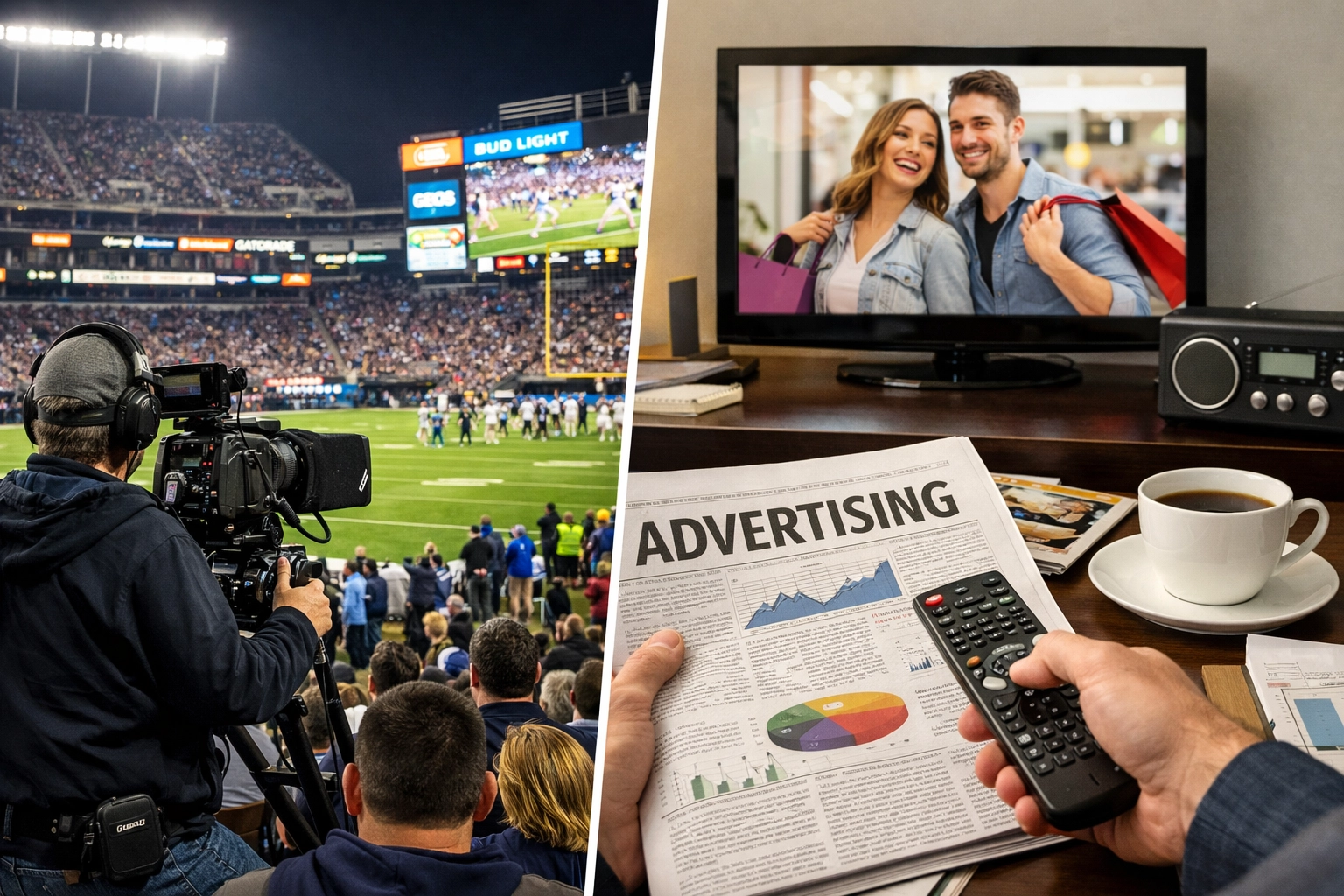
Before writing off traditional sports media buying, consider this: television and in-venue advertising still deliver massive reach and emotional impact that digital networks struggle to replicate.
Live sports remain one of the few truly mass media experiences left. When brands advertise during the Super Bowl, World Series, or NBA Finals, they're connecting with audiences in moments of peak emotional engagement. Research shows that nearly half of viewers (49%) perceive a sponsor more positively after watching a sports event, a testament to the halo effect of live sports advertising.
Traditional media buying also offers simplicity that appeals to brands without sophisticated marketing operations. Buying a stadium signage package or television spot requires less technical expertise than navigating programmatic advertising platforms, data management protocols, and cross-channel attribution models.
Physical presence matters. On-stadium signage, jersey sponsorships, and broadcast placements create ongoing exposure to both live attendees and media viewing audiences. These touchpoints build brand recognition through repeated exposure over entire seasons, creating mental availability that drives purchase decisions months after initial exposure.
The Integration Advantage
The most successful sports brand partnerships don't force a choice between sports advertising networks and traditional media. Instead, they combine both approaches into integrated strategies that maximize reach, engagement, and conversion across the entire customer journey.
Consider how leading brands structure modern sports partnerships. The Campbell Soup Company's partnership with Harris Blitzer Sports & Entertainment showcases their brands across physical venues in the NBA, NFL, NHL, and NASCAR while simultaneously leveraging digital marketing opportunities. This integrated approach captures audiences in stadiums, on television, and across social platforms.
Strategic partnerships align sponsors, teams, and digital platforms toward shared goals. This creates what industry leaders describe as "a digital ecosystem where everyone wins." Brands gain comprehensive audience access, teams monetize assets more effectively, and platforms increase engagement through quality sponsorship content.
Where Innovation Meets Opportunity
Forward-thinking brands recognize that the future of sports advertising lies in creating immersive experiences that blur the lines between physical and digital engagement. This is where solutions like custom esports gaming pods create unique opportunities for brand integration.
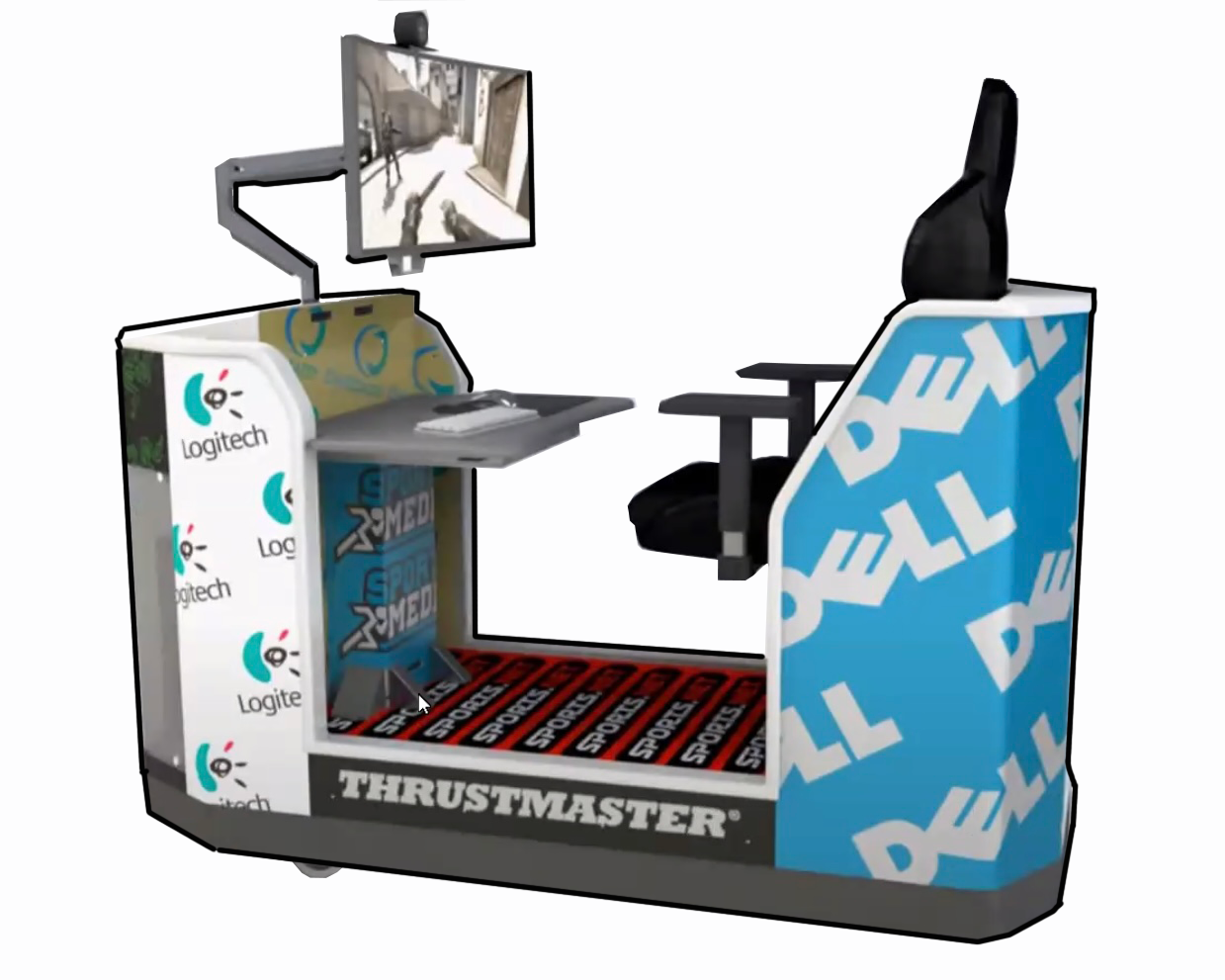
Educational institutions increasingly adopt esports programs, creating new touchpoints for brands targeting younger demographics. High school esports programs, in particular, offer sponsorship opportunities that combine physical presence (gaming pods in schools) with digital activation (streaming tournaments, social content, and online communities).
These hybrid environments allow brands to deploy both traditional sponsorship elements (logo placements, product sampling, on-site activation) and digital strategies (content partnerships, influencer collaborations, performance marketing) within a single program. The result is a multi-dimensional brand presence that reaches students, parents, and broader gaming communities simultaneously.
Making the Right Choice for Your Brand
So which approach is better for your brand partnership strategy? The answer depends on several factors:
Choose sports advertising networks when:
- Your target audience is digitally native and mobile-first
- You need precise targeting and performance measurement
- Your budget requires efficient spending with clear ROI tracking
- You want to test and optimize campaigns in real-time
- Your brand values engagement metrics over raw impressions
Choose traditional media buying when:
- You're building broad brand awareness in new markets
- Your target demographic still consumes significant linear television
- You want to associate with marquee events and premium inventory
- Simplified buying processes match your operational capabilities
- Long-term brand building is prioritized over immediate performance
Choose an integrated approach when:
- You have budget to execute comprehensively across channels
- Your brand strategy balances awareness and performance goals
- You want to reach audiences across their entire sports consumption journey
- You can manage complex, multi-platform partnerships effectively
- You're committed to long-term sports marketing investment
Building Your Integrated Strategy
The most effective sports brand partnerships combine the emotional impact of traditional media with the precision and engagement of digital networks. Start by identifying your primary objectives, then map which channels and tactics best support those goals.
Work with partners who understand both traditional and digital sports advertising. The ability to plan holistically across all touchpoints, measure performance comprehensively, and optimize continuously separates successful partnerships from fragmented campaigns that underdeliver.
Remember that sports audiences increasingly consume content across multiple platforms simultaneously. The fan watching the game on television is also checking scores on mobile, engaging with content on social media, and discussing plays in online communities. Your brand needs to show up across this entire ecosystem to maximize partnership value.
Moving Forward with Confidence
The debate between sports advertising networks and traditional media buying creates a false choice. Smart brands recognize that the question isn't "which is better?" but rather "how can we leverage both to achieve our goals?"

Whether you're exploring your first sports partnership or optimizing an existing portfolio, the key is understanding how different channels and tactics support your specific objectives. With the right strategy, measurement framework, and execution partners, sports advertising delivers measurable results that drive business growth.
Ready to explore how an integrated sports advertising strategy can elevate your brand partnerships?
Contact Dan Kost at Dan@dakdan.com or call (970) 436-0580 to discuss your brand's unique opportunities in sports marketing.
For comprehensive solutions spanning traditional media, digital networks, and innovative platforms like custom esports pods, visit dakdan.com or reach our team at info@dakdan.com | +1 (970) 578-4652.
Learn more about our approach at press.dakdan.com or explore career opportunities at dakdan.com/career.
Dakdan Worldwide – Strategic solutions for media, advertising, entertainment, and sports partnerships.