
FOR IMMEDIATE RELEASE
Colorado, USA – The media landscape has fragmented beyond recognition, yet the brands winning attention aren't chasing every platform. They're building integrated systems that connect sports fans, commuters, families, and digital-native audiences through cohesive, cross-channel experiences.
Welcome to the new playbook for integrated media solutions.
What Makes Media "Integrated" in 2026?
Integrated media isn't about being everywhere. It's about being strategic everywhere. The unification of different media formats, elements, and techniques creates a seamless brand experience whether someone encounters your message at a stadium, on a transit screen, inside an esports pod, or at a family entertainment venue.
The difference between scattered advertising and integrated solutions comes down to infrastructure. Brands that scale successfully treat their media presence as interconnected systems rather than isolated buys.
The Five Pillars of Cross-Vertical Media Integration
1. Sports & Live Event Venues
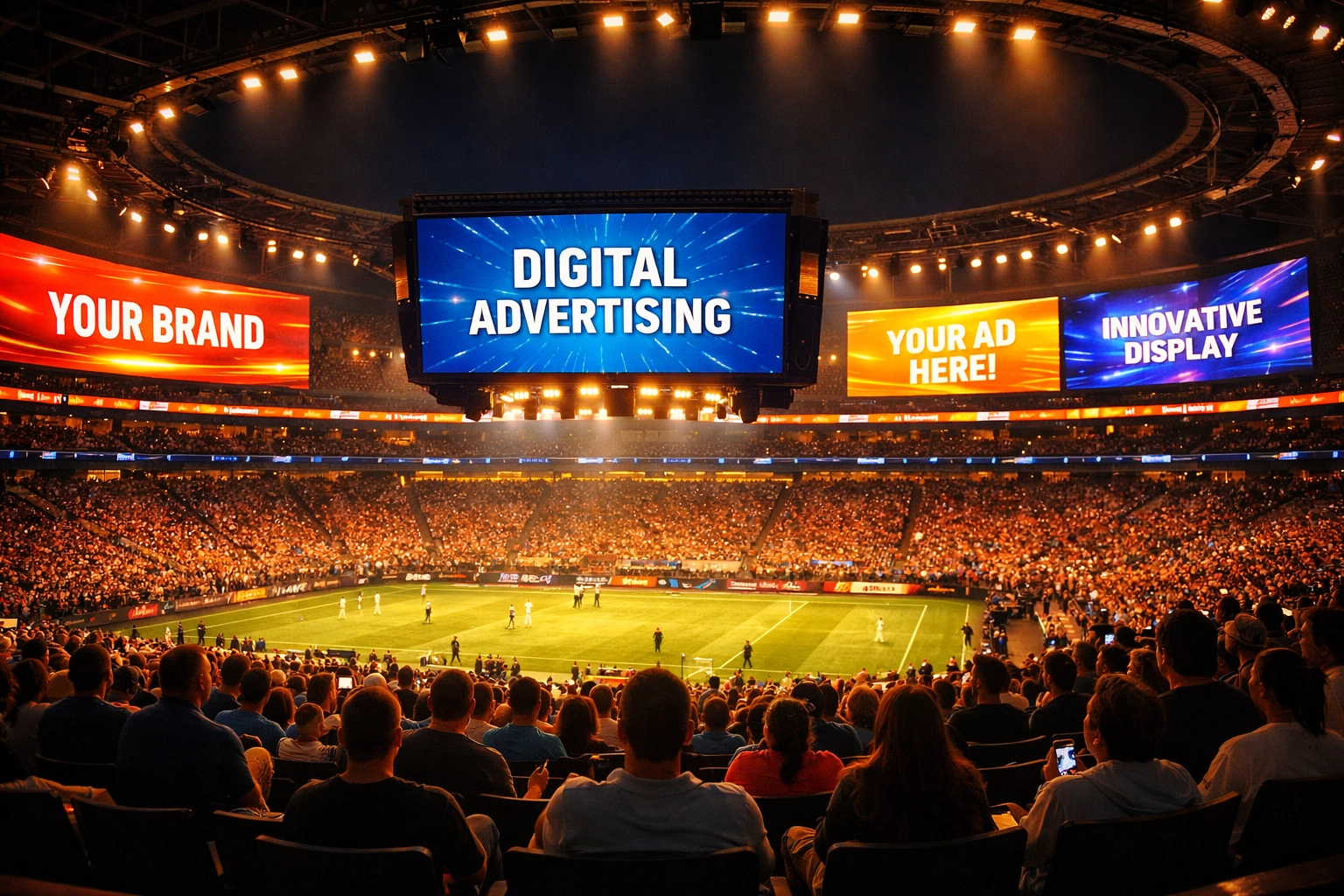
Stadium and arena advertising remains one of the most powerful awareness drivers, but the game has changed. Modern sports media solutions combine:
- Digital out-of-home (DOOH) signage that updates in real-time based on game action, audience demographics, and sponsor priorities
- Venue-based mobile integrations that extend the in-stadium experience to second screens
- Sponsorship activation zones that create measurable engagement beyond logo placement
- Cross-promotional networks that connect college sports, professional leagues, and community athletics
The brands seeing ROI aren't just buying signage. They're building first-party relationships with sports audiences through venue-based platforms that capture attention when fans are most engaged.
2. Transportation & Transit Networks
Transportation media represents one of the most underutilized opportunities in integrated planning. Commuters, travelers, and daily transit users represent a captive audience with high dwell time and predictable patterns.
Effective transportation media solutions include:
- Airport advertising networks that reach business travelers and vacation-goers during high-attention moments
- Transit shelter displays that serve localized messaging based on neighborhood demographics
- In-vehicle digital screens on buses, trains, and rideshare platforms
- Wayfinding integration that combines utility with advertising exposure
The key advantage? Transportation audiences can't skip, scroll, or tune out. Your message has their attention during natural waiting periods and journey transitions.
3. Entertainment & Experiential Venues
Entertainment venues offer something digital channels can't replicate: shared experiences. Whether it's concerts, festivals, theaters, or nightlife spaces, these environments create emotional connections that amplify brand messaging.
Smart entertainment media strategies leverage:
- Pre-show and intermission advertising when audiences are engaged but not distracted
- Branded experiential zones that turn passive exposure into interactive participation
- Influencer and creator partnerships that extend venue experiences into social content
- Ticketing platform integrations that reach audiences during purchase consideration
Entertainment media works best when it enhances rather than interrupts the experience. The goal is to become part of the memory, not a distraction from it.
4. Esports & Educational Gaming Platforms
Esports has matured from niche hobby to mainstream channel, particularly as educational institutions adopt competitive gaming programs. The opportunity extends beyond tournament sponsorships into infrastructure and community building.
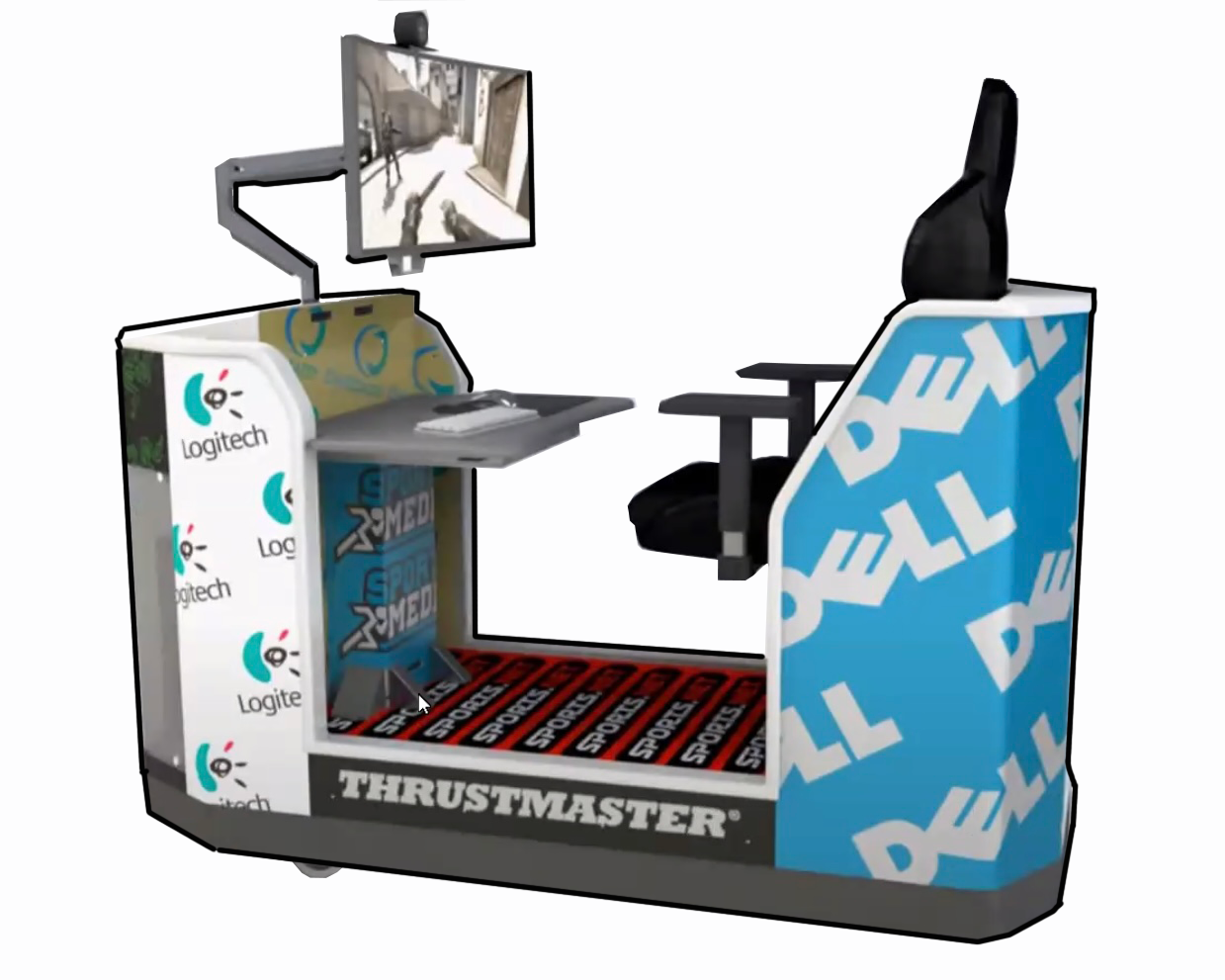
Modern esports media integration includes:
- Branded gaming pods in high schools and colleges that create daily touchpoints with students
- Tournament broadcast sponsorships that reach highly engaged digital audiences
- Educational program partnerships that position brands as enablers of student development
- Creator and influencer networks that authentically integrate products into gaming content
The advantage of esports media is measurement. Every impression, engagement, and conversion can be tracked, making it one of the most accountable channels for brands targeting younger demographics.
5. Zoo, Aquarium & Family Venue Networks
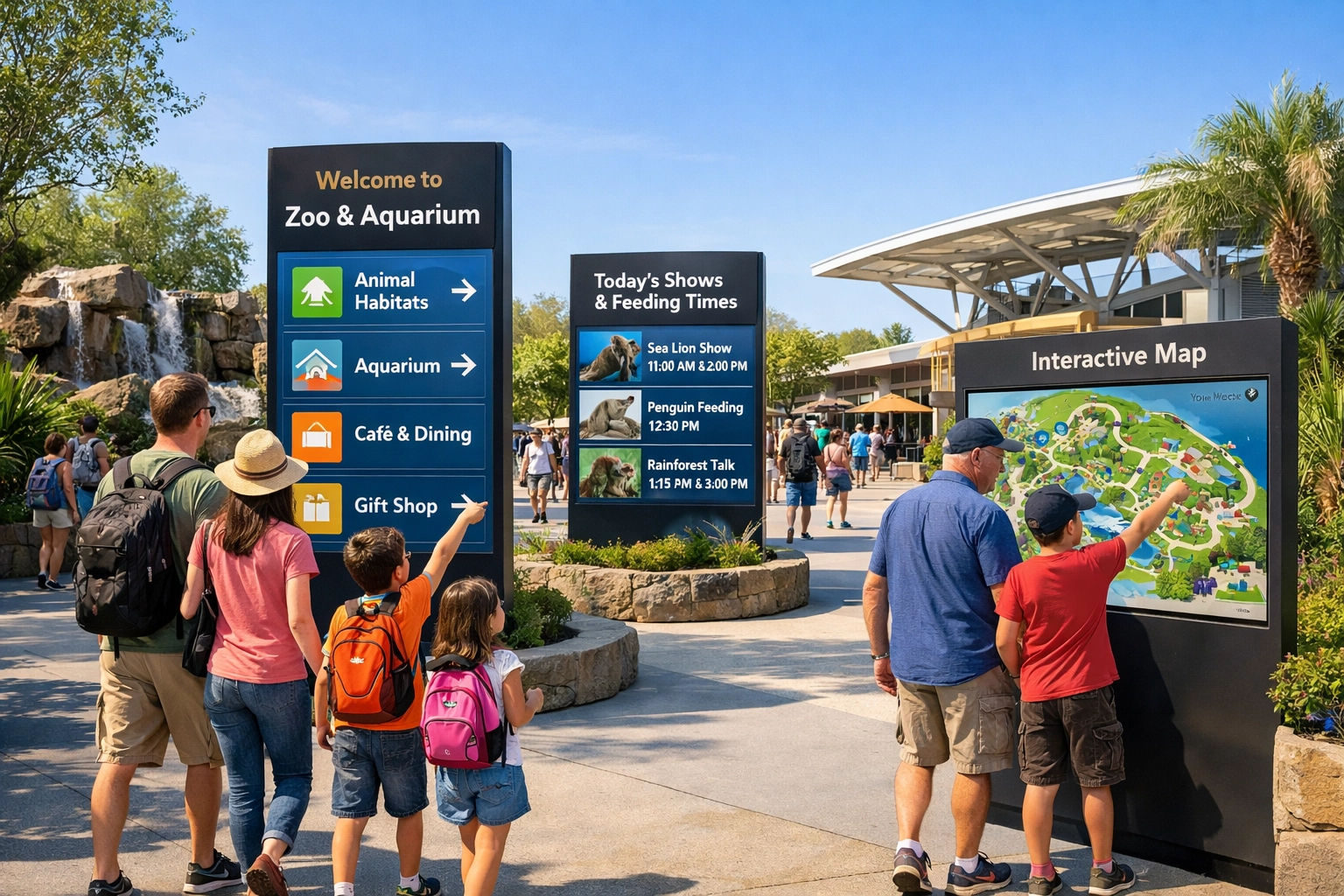
Family entertainment venues represent an overlooked category in media planning, yet they deliver something rare: multi-generational audiences in high-consideration mindsets. Zoos, aquariums, museums, and children's attractions create opportunities for brands seeking household decision-makers.
Family venue media strategies work when they:
- Align with educational missions rather than interrupt the experience
- Create photo-worthy moments that extend reach through social sharing
- Offer practical utility like wayfinding, maps, or activity guides
- Target seasonal peaks when family visitation reaches maximum volume
These venues also offer extended dwell times (average visits last 2-4 hours), creating multiple touchpoints within a single experience.
Building Your Integrated Media Framework
Creating an effective integrated media strategy across these verticals requires more than buying inventory. It demands infrastructure, coordination, and strategic thinking.
Start with audience mapping. Identify where your target customers spend time across physical and digital spaces. A brand targeting young families might prioritize zoo networks and youth sports venues, while a B2B technology company focuses on airport networks and professional sports sponsorships.
Establish message architecture. Your core brand message should remain consistent, but executional tactics must adapt to each environment. Stadium advertising demands bold, simple visuals. Transit media allows for more complex storytelling during longer dwell times.
Implement unified measurement. The biggest advantage of integrated media is proving impact. Use consistent tracking methodologies across channels: QR codes, unique URLs, promotional codes, or pixel-based attribution. Connect your venue-based media to digital retargeting for closed-loop measurement.
Optimize based on performance. Integrated doesn't mean static. The most sophisticated media strategies use real-time data to shift budgets toward high-performing venues, times, and creative executions.
The Technology Stack That Makes Integration Possible
Behind every successful integrated media campaign sits a technology infrastructure that most advertisers never see:
- Content management systems that update creative across hundreds of screens simultaneously
- Programmatic DOOH platforms that enable audience-based buying in physical spaces
- Attribution technology that connects offline exposure to online actions
- Inventory management systems that provide real-time availability across venue networks
The brands scaling integrated media solutions aren't managing spreadsheets. They're leveraging platforms that treat physical media with the same sophistication as digital advertising.

Why Now? The Converging Factors That Make Integration Essential
Several market forces have aligned to make integrated media solutions more accessible and effective:
Digital fatigue has set in. Consumers actively avoid digital advertising through ad blockers, subscription services, and scroll-past behavior. Physical media in premium environments cuts through the noise.
Privacy regulations have limited digital targeting. As cookie-based tracking disappears, brands need alternative ways to reach specific audiences. Venue-based media offers contextual targeting without privacy concerns.
Measurement technology has caught up. Physical media can now deliver attribution and performance data that rivals digital channels.
Audiences have returned to physical spaces. Post-pandemic attendance at sports events, entertainment venues, and family attractions has rebounded, creating renewed inventory and opportunity.
Taking Action: Where to Begin
If you're ready to build an integrated media strategy across sports, venues, transportation, entertainment, and esports, start with pilot programs that test hypotheses before scaling investment.
Identify two to three complementary venue types that reach your target audience. Run coordinated campaigns with consistent creative and measurement frameworks. Compare performance against your existing digital-only strategies.
Most brands discover that integrated approaches deliver 30-50% better brand recall and 20-40% lower cost per acquisition compared to single-channel tactics.
The opportunity isn't in being everywhere. It's in being strategically present across the physical and digital spaces where your audiences already spend time, with a coordinated message that builds recognition and drives action.
Ready to scale your brand across integrated media channels? Dakdan Worldwide specializes in building cross-vertical media solutions that connect sports, entertainment, transportation, esports, and family venues into cohesive systems. Our technology and services platform makes integration simple, measurable, and scalable.
Contact: Dan Kost
Email: info@dakdan.com
Phone: +1 (970) 578-4652
Website: dakdan.com
Learn more about our integrated media solutions at dakdan.com/about or reach out directly to start building your cross-channel strategy.