
Sports marketing partnerships fail more often than they succeed. Not because brands lack budget or passion, but because they skip the strategic groundwork that turns handshake deals into revenue-generating machines.
At Dakdan Worldwide, we've spent years building media solutions and consulting frameworks that connect brands with sports audiences in ways that actually move the needle. Whether you're a brand looking to break into sports marketing or an agency seeking better partnership structures, this framework gives you the blueprint for partnerships that deliver measurable returns.
Step 1: Align Your Strategy and Audience Before You Write the Check
Most brands approach sports partnerships backward. They see a popular team, league, or athlete and jump straight to negotiations without asking the critical question: does this partnership authentically connect with our target audience?
Strategic alignment starts with knowing exactly who you're trying to reach and what matters to them. If your brand targets Gen Z consumers who live in digital spaces, a traditional stadium banner placement won't deliver the impact you need. Instead, you might find stronger ROI through esports partnerships, influencer collaborations, or interactive digital activations that meet your audience where they already spend time.
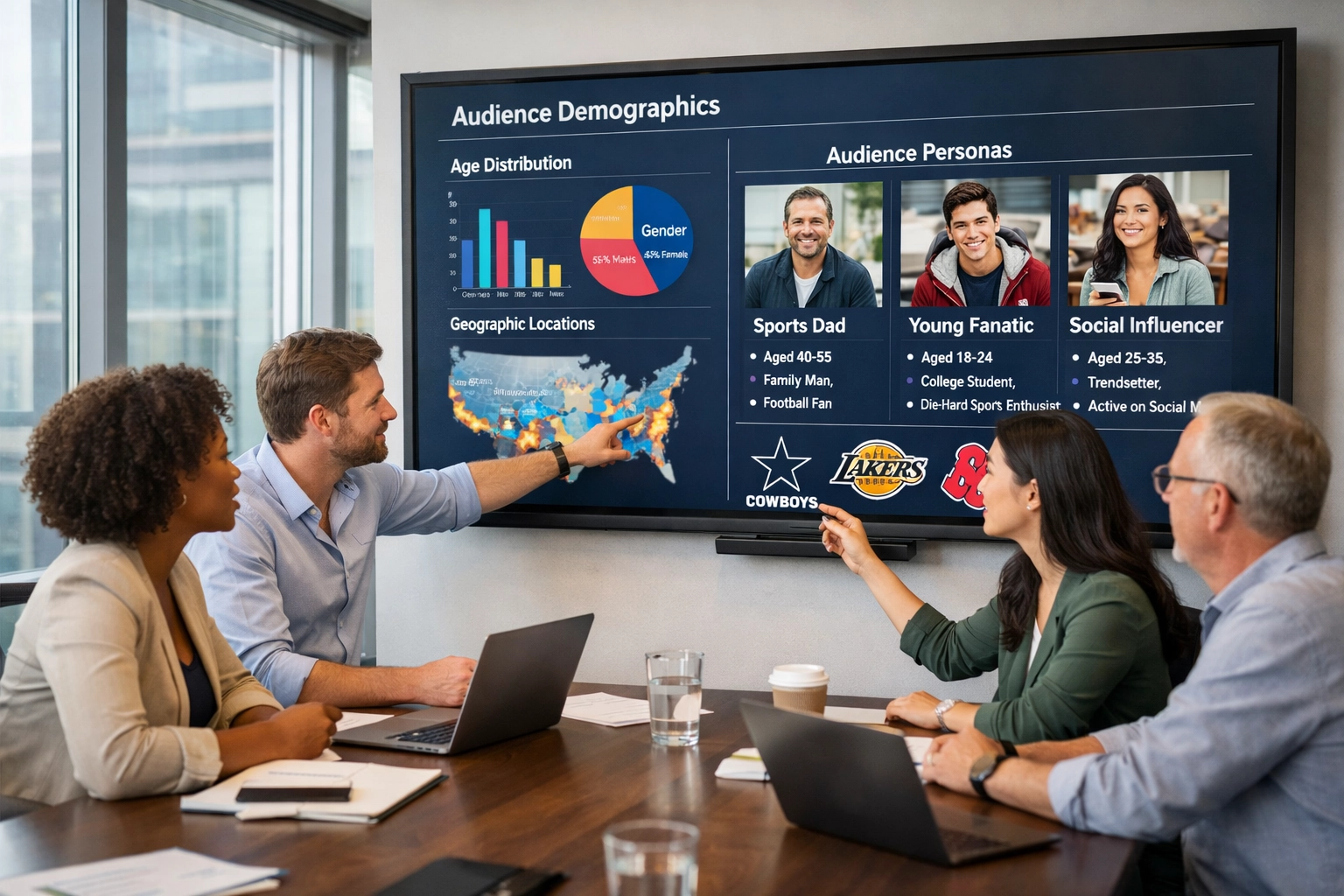
The authenticity factor matters more than ever. Modern sports fans can spot inauthentic partnerships instantly, and they'll call them out on social media within minutes. Your partnership needs to make sense. A youth-focused energy drink brand partnering with collegiate esports tournaments feels natural. That same brand sponsoring a senior golf tour? The disconnect shows.
Before you approach potential partners, document your sports marketing strategy. Define your objectives (brand awareness, lead generation, product sales), identify your target demographic with specificity (not just "18-34 males" but their actual interests, behaviors, and media consumption habits), and establish your budget parameters. This foundation ensures every partnership conversation starts from a position of strategic clarity rather than opportunistic impulse.
Step 2: Structure Contracts That Protect Value and Enable Performance
Here's where most partnerships start bleeding money. Vague contracts with unclear deliverables create friction, disappointment, and legal headaches that drain resources faster than any activation budget.
Your partnership contract needs to specify every expectation with crystal clarity. How many social media posts will the athlete or team create? What type of content (photos, videos, stories, reels)? What approval process exists for content before it goes live? How many in-person appearances are included, and what constitutes an "appearance" (30 minutes, two hours, full-day availability)?
Include exclusivity clauses that protect your investment. If you're sponsoring an esports team, you don't want them promoting your competitor's energy drink on their streams two weeks later. Define category exclusivity clearly (are you exclusive in "beverages" or specifically "energy drinks"?) and establish what happens if exclusivity is breached.
Smart contracts also include renewal options, performance benchmarks, and exit provisions. What happens if the athlete gets injured or involved in a scandal? What metrics trigger bonus payments or extended terms? Building flexibility into your agreement protects both parties and establishes a foundation for long-term collaboration.
At Dakdan Worldwide, we help brands structure partnership agreements that balance protection with performance incentives. Our consulting approach ensures contracts support activation rather than constraining it.
Step 3: Define Concrete Deliverables That Drive Activation
"Brand awareness" isn't a deliverable. Neither is "increased engagement." These vague objectives lead to vague results and frustrated stakeholders wondering why they spent six figures on a logo placement.
Effective sports marketing partnerships require specific, measurable deliverables that create touchpoints between your brand and the target audience. These might include logo placement on jerseys and equipment, signage at venues or events, featured mentions during broadcasts or streams, branded content segments, exclusive merchandise collaborations, VIP experiences for customers, or interactive fan zones at events.

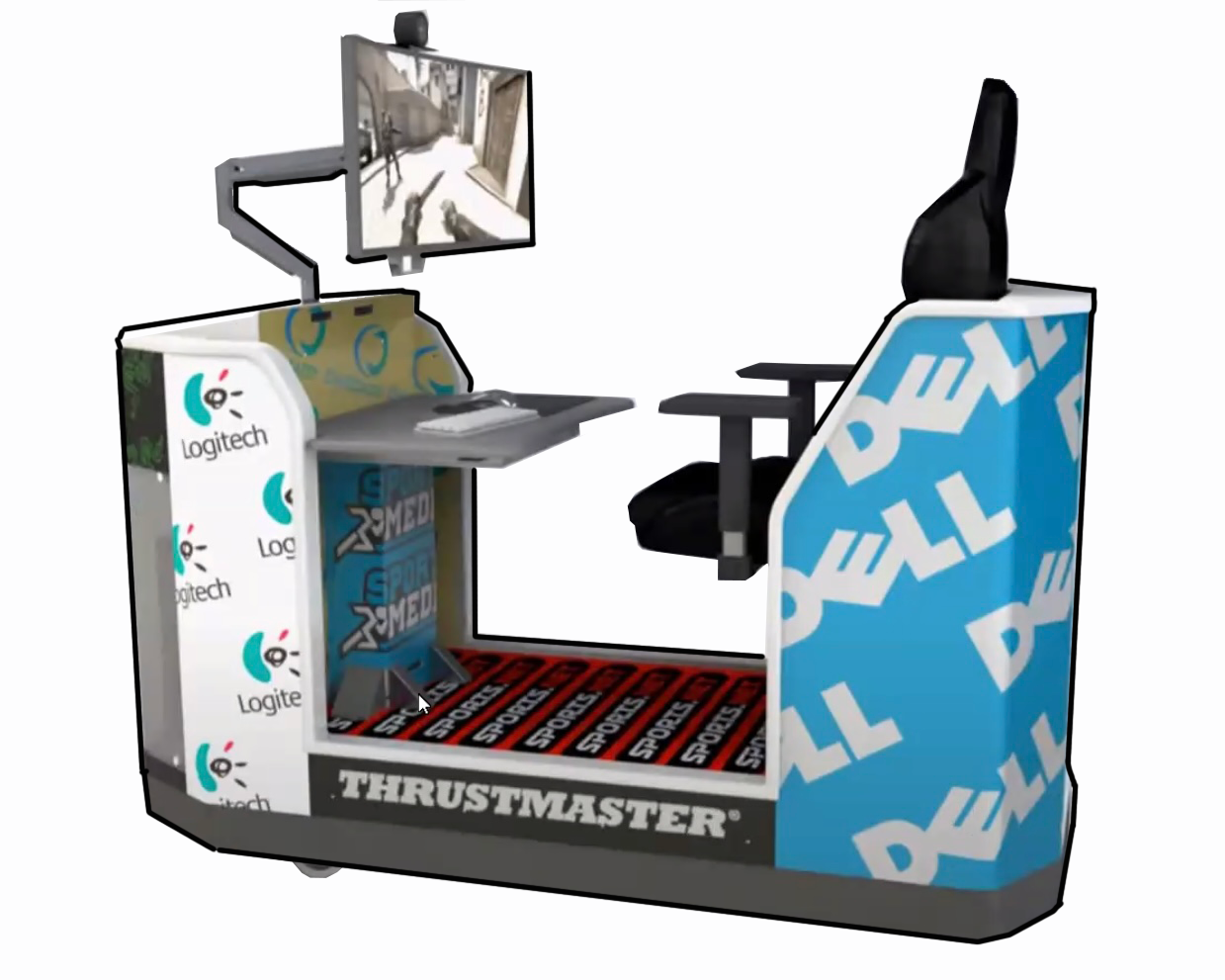
For brands working in the education and youth sports space, deliverables might look different. Dakdan's esports pod solutions, for example, create branded learning environments in high schools where sponsors gain authentic presence in educational settings. Students interact with your brand daily as they develop skills in gaming, streaming, content creation, and digital media, not through intrusive advertising but through integrated educational experiences.
The key is matching deliverables to your actual marketing objectives. If you're building brand awareness, focus on high-visibility placements and broad reach opportunities. If you're driving product trial, create experiential activations where fans can interact with your product directly. If you're building community, invest in long-term engagement platforms like digital content series or fan clubs.
Document every deliverable with specifics: placement sizes, visibility duration, content formats, posting frequencies, and quality standards. Ambiguity kills partnership ROI faster than anything else.
Step 4: Execute an Integrated Activation Plan That Extends Beyond Launch Day
Sign the contract. Issue the press release. Post the announcement on social media. Then… nothing.
This is where most sports marketing partnerships die. Brands treat the announcement as the finish line when it's actually the starting gun.
Your activation plan needs to sustain momentum across the entire partnership duration. Launch day creates awareness, but weeks two through fifty-two require consistent storytelling, content creation, and fan engagement that keeps your brand present and relevant.
Integrate your sports partnership across all marketing channels. Your TV commercials should reference the partnership. Your social content should tell behind-the-scenes stories. Your email marketing should offer partnership-related exclusives to subscribers. Your website should feature partnership content prominently. Every channel reinforces the others, creating a multiplier effect that dramatically increases impact.
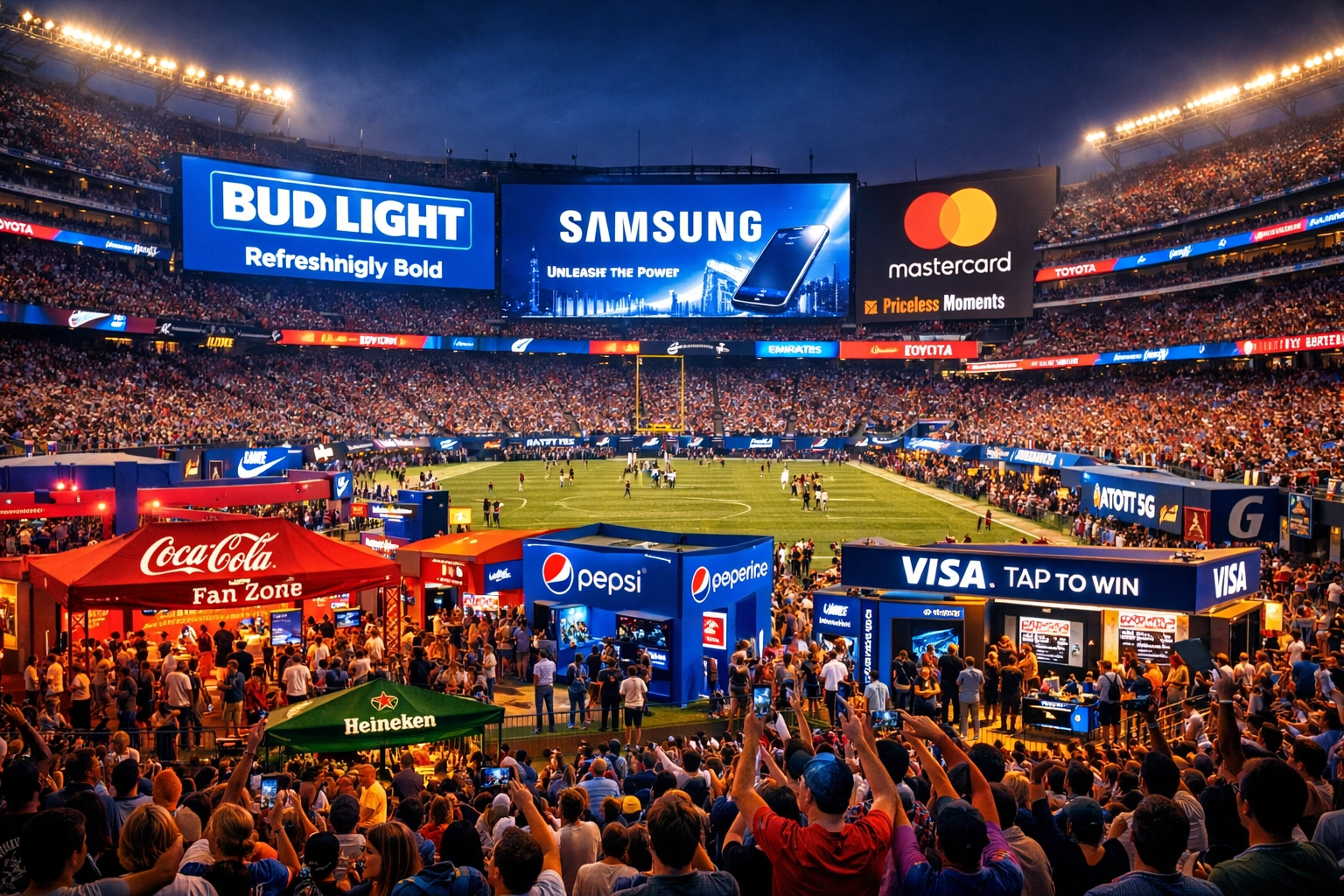
Create a content calendar that maps activation touchpoints across the partnership term. Plan for seasonal peaks (playoff runs, tournament seasons, key games), but also maintain baseline engagement during quieter periods. The brands that win in sports marketing are the ones that show up consistently, not just when everyone else is watching.
Dakdan Worldwide's media production capabilities help brands sustain activation momentum with professional content that tells compelling stories. From video production to social media management to experiential event design, integrated activation requires coordination across multiple disciplines. Most brands don't have these capabilities in-house, which is exactly where strategic partnerships with media holdings like Dakdan create leverage.
Step 5: Measure ROI and Build Relationships That Compound Over Time
Data separates successful sports marketing partnerships from expensive vanity projects. You need to measure what matters and use those insights to optimize ongoing activations.
Establish baseline metrics before your partnership launches. How many social media followers do you have? What's your current brand awareness level in your target demographic? What's your average customer acquisition cost? These benchmarks help you measure actual partnership impact rather than guessing about effectiveness.
Track both direct and indirect metrics. Direct metrics include social media engagement rates, website traffic from partnership channels, lead generation from partnership activations, and sales attributed to partnership promotions. Indirect metrics include brand sentiment shifts, share of voice in relevant conversations, media coverage value, and audience reach.
But here's the real insight most brands miss: the most valuable sports marketing partnerships aren't transactions, they're relationships. The first year might deliver solid returns. Year two, when you understand the audience better and the partnership feels more authentic, delivers exponential improvements. Year three and beyond? That's when you've built something genuinely valuable that compounds over time.

Invest in the relationship beyond contractual obligations. Communicate regularly with partnership stakeholders. Collaborate on creative ideas. Support their initiatives even when it doesn't directly benefit you. The brands that treat sports partnerships as true collaborations rather than vendor relationships consistently see better results and longer-term value.
Building Partnerships That Actually Work
Sports marketing partnerships succeed when they're built on strategic alignment, clear agreements, specific deliverables, sustained activation, and genuine relationships. Skip any of these elements and you're setting yourself up for disappointment.
At Dakdan Worldwide, we help brands navigate the complexity of sports marketing partnerships through comprehensive media and consulting solutions. Whether you're exploring esports sponsorships in educational settings, building venue-based advertising programs, or developing integrated sports marketing strategies, we bring strategic expertise and execution capabilities that drive real business results.
Ready to build a sports marketing partnership that actually drives revenue? Let's talk about your objectives and explore how strategic partnership frameworks can help you reach your target audience authentically and effectively.
Contact Dakdan Worldwide:
- Website: dakdan.com
- Email: info@dakdan.com
- Phone: +1 (970) 578-4652
- Explore our solutions: About Dakdan Worldwide
Connect with us on social media for daily insights on sports marketing, media innovation, and partnership strategies that deliver results. Visit our blog for more frameworks and strategic guidance, or reach out directly to discuss your specific partnership objectives.