
Sports marketing moves fast. If your agency partnership is not delivering the results you expected, chances are there are some strategic gaps holding you back. The good news? Every challenge presents an opportunity for improvement. And when you know exactly where to focus your energy, you can transform underperforming campaigns into powerful brand-building engines.
Whether you are a brand manager, athletic director, or business owner looking to tap into the sports and entertainment space, this guide will help you identify the most common pitfalls in sports marketing agency relationships and give you actionable solutions to fix them immediately.
Let's dive in.
1. Treating Sponsorships as Logo Placement Only
One of the biggest missed opportunities in sports marketing is reducing sponsorship deals to simple logo visibility. Slapping your brand on a stadium banner or jersey might generate some impressions, but it rarely creates lasting connections with your target audience.
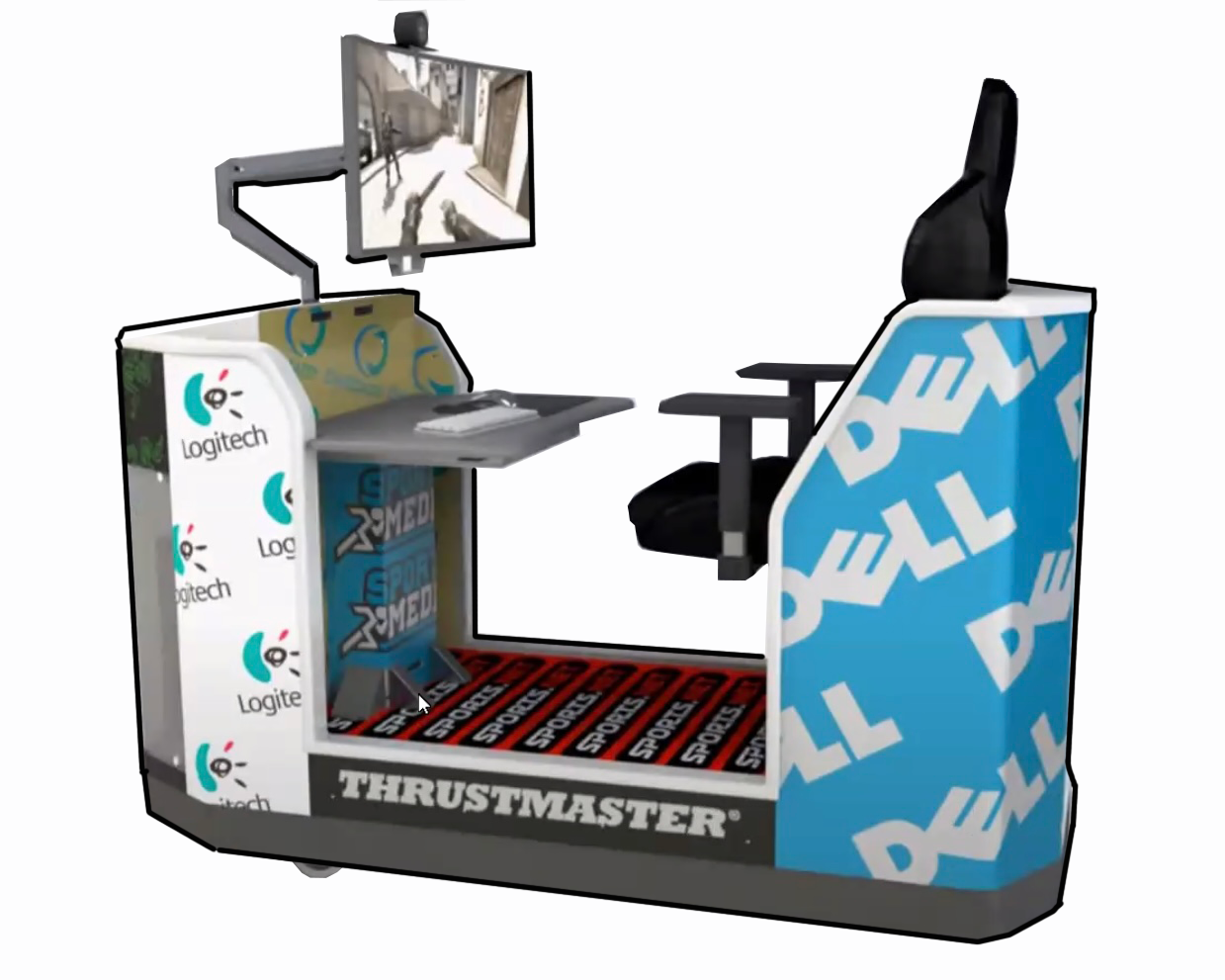
The Fix: Work with your agency to develop immersive brand experiences that resonate with fans on an emotional level. Think about activations that tie your product or service directly to the fan experience. A beverage brand at a summer baseball game makes sense because it connects naturally to the moment. An esports sponsor integrating their technology into a gaming pod setup creates authentic engagement with players and spectators alike.
The key is relevance. Your audience should feel like your brand belongs in that environment, not like you are interrupting their experience.

2. Measuring Success with Short-Term Metrics Only
If your agency reports success purely based on impressions, reach, or views, you are missing the bigger picture. These vanity metrics might look impressive in a presentation, but they rarely translate to long-term brand loyalty or revenue growth.
The Fix: Establish performance indicators that capture sustained engagement and lifetime customer value. Ask your agency to track metrics like repeat engagement rates, brand sentiment shifts, and conversion pathways over extended periods. Sports marketing should build relationships, not just rack up views.
When brands partner with educational initiatives like high school esports programs, they create touchpoints that extend far beyond a single campaign. Students who interact with sponsored gaming pods and learning environments carry those brand associations into adulthood.
3. Prioritizing Content Volume Over Content Quality
The pressure to stay visible across every platform often leads agencies to churn out massive amounts of content without ensuring any of it resonates. Flooding your audience's feeds with mediocre posts does more harm than good.
The Fix: Shift your strategy toward storytelling that inspires, educates, or solves real problems for your audience. A single well-crafted video highlighting student athletes using simulation technology to develop skills will outperform dozens of generic promotional posts.
Quality content creates shareable moments. It sparks conversations. And most importantly, it positions your brand as a valuable contributor to the sports community rather than just another advertiser competing for attention.
4. Pushing Promotional Messages Without Providing Value
Here is a reality check: audiences are savvy. They can spot a sales pitch from a mile away, and they will scroll right past it. Social media users expect brands to add value to their feeds, not spam them with constant calls to buy.
The Fix: Balance your promotional content with genuinely helpful information. Share behind-the-scenes looks at athlete training, offer tips related to your industry, or highlight community stories that align with your brand values. Approach your audience like you would a friend at a social gathering. Nobody wants to talk to the person who only talks about themselves.
When your agency creates content calendars, ensure there is a healthy mix of educational, entertaining, and promotional material. The promotional pieces will perform better when surrounded by content your audience actually wants to see.
5. Using a One-Size-Fits-All Marketing Approach
Your sports audience is not monolithic. The casual fan scrolling through highlights on their phone has different motivations than the die-hard supporter who never misses a game. Treating them the same way wastes resources and dilutes your message.
The Fix: Segment your audience and customize your targeting, creative, and messaging for each group. Research shows that during major sports events, engagement comes from distinct groups: new customers, active supporters, and infrequent users. Each segment requires a different approach.
For brands looking to reach younger demographics, sponsoring educational esports initiatives in high schools offers precise targeting. These programs attract students interested in gaming, technology, and competitive environments. The engagement is focused and the brand associations are powerful.

6. Failing to Plan and Forecast Budgets Properly
Underestimating marketing spend during peak sports periods is a costly oversight. Data shows that spending often increases dramatically during major tournaments and events. If you have not planned for these spikes, you will either miss opportunities or blow through your budget without strategy.
The Fix: Implement forecasting and reporting tools early in your planning process. Work with your agency to map out the sports calendar and identify high-value windows where increased investment makes sense. Build flexibility into your budget so you can capitalize on unexpected opportunities without scrambling.
Proactive budget planning also means knowing when to pull back. Not every game or event requires maximum spend. Strategic allocation based on data-driven insights will stretch your marketing dollars further.
7. Running Static Campaigns Without Real-Time Adjustments
Sports environments change quickly. A player gets injured. A team goes on an unexpected winning streak. Weather delays a game. If your campaigns run on autopilot without the ability to adapt, you will miss moments that could amplify your message.
The Fix: Use sports calendar targeting and real-time analytics to adjust campaigns dynamically. Peak engagement windows exist, and they are predictable. Deposit activity peaks in the evening on match days. Acquisition costs drop significantly during tournament knockout stages.
Your agency should be monitoring performance continuously and making adjustments based on what the data reveals. Static campaigns belong in the past. Modern sports marketing requires agility and responsiveness.

Building Better Sports Marketing Partnerships
The brands that win in sports marketing are those that approach every campaign as a relationship-building opportunity rather than a transaction. They invest in authentic connections. They measure what matters. They stay agile.
At Dakdan Worldwide, we specialize in strategic media, consulting, and advertising solutions that help brands maximize their presence in sports and entertainment markets. From Fortune 100 talent pipeline development to esports infrastructure in high schools, our team builds programs that create lasting impact.
Our esports pod solutions offer brands a unique opportunity to connect with students through education-driven gaming environments. These setups combine simulation-based learning with real sponsorship visibility, helping companies reach the next generation while supporting workforce development in STEM fields.
Ready to transform your sports marketing strategy?
Connect with the Dakdan Worldwide team to explore partnership opportunities that deliver measurable results.
Contact: Dan Kost, CEO
Email: info@dakdan.com
Phone: +1 (970) 578-4652
Website: dakdan.com
Press: press.dakdan.com
Careers: dakdan.com/career