
The sports industry has evolved beyond live broadcasts and traditional media buys. Today, leagues, teams, and brands operate as full-scale media companies. They generate thousands of hours of content every season, from game highlights and athlete interviews to behind-the-scenes footage and fan-generated clips. The organizations that thrive are the ones that can organize, find, and distribute that content at speed and scale.
Media asset management has become the backbone of competitive advantage in sports. It determines how quickly a brand can capitalize on a trending moment, how effectively it can personalize fan experiences, and how efficiently it can monetize its content library across multiple platforms. For brands looking to connect with audiences through sports and entertainment partnerships, understanding this landscape is essential.
The Content Explosion in Sports Media
Sports organizations now accumulate footage from multiple sources. Live game streams, training sessions, press conferences, social media takeovers, and high-resolution photography all flow into content libraries daily. Without proper organization and cataloging, teams struggle to distribute content fast enough to capitalize on real-time engagement opportunities.
Consider the pace of modern sports consumption. A standout play happens during a game. Within seconds, fans expect to see that highlight on social media. Within minutes, they want analysis. Within hours, they want extended cuts and alternate angles. The organizations that deliver on these expectations build stronger fan loyalty and attract more valuable sponsorship deals.

This rapid content multiplication has transformed how sports properties approach their media operations. The most successful organizations treat their content libraries as strategic assets, not just archives. Every piece of footage, every image, every audio clip represents potential value that can be unlocked through smart organization and distribution.
Real-Time Distribution and Fan Engagement
Modern fans expect engaging content immediately. Social media has become core to game-day strategy, with sports teams prioritizing highlight clips that go online almost instantly after they happen. Short-form reels, instant updates, and reactive content drive fan engagement in ways that traditional broadcasts simply cannot match.
Efficient asset management allows organizations to quickly locate, tag, and repurpose content across multiple platforms simultaneously. A single highlight can become a Twitter clip, an Instagram Reel, a TikTok video, a YouTube Short, and a newsletter feature. Each platform has different specifications, different audience expectations, and different optimal posting times. Managing this complexity requires systems that make content discoverable and adaptable.
The brands that partner with sports properties benefit directly from this infrastructure. When a sponsor's logo appears in a viral highlight, the reach extends far beyond the original broadcast. When a brand activates around a trending moment, speed matters. The organizations with superior asset management capabilities can offer sponsors faster turnaround, more creative flexibility, and better performance data.
Metadata: The Foundation of Smart Asset Management
The secret to effective media asset management lies in metadata. Teams that implement sophisticated digital asset management systems organize and catalog assets based on dates, event names, locations, teams, players, play types, and countless other attributes. This empowers multiple stakeholders to quickly find and repurpose content for various platforms.
Think about the practical applications. A marketing team needs footage of a specific player making a specific type of play for a sponsor campaign. A social media manager needs all content from a particular venue for a throwback post. A broadcast partner needs high-resolution imagery for a documentary project. Without metadata-driven organization, each of these requests becomes a time-consuming search through unstructured archives.
At Dakdan Worldwide, we see this principle at work across our sports media and consulting engagements. Whether working with professional leagues, college athletics programs, or emerging esports organizations, the fundamentals remain consistent. Content organization determines content velocity, and content velocity determines competitive position.
Education Through Simulation: Building Tomorrow's Media Professionals
The future of sports media depends on developing talent pipelines that understand these systems. This is where education through simulation becomes critical. High school and college programs that incorporate real-world media workflows prepare students for careers in an industry that demands both technical skills and creative thinking.
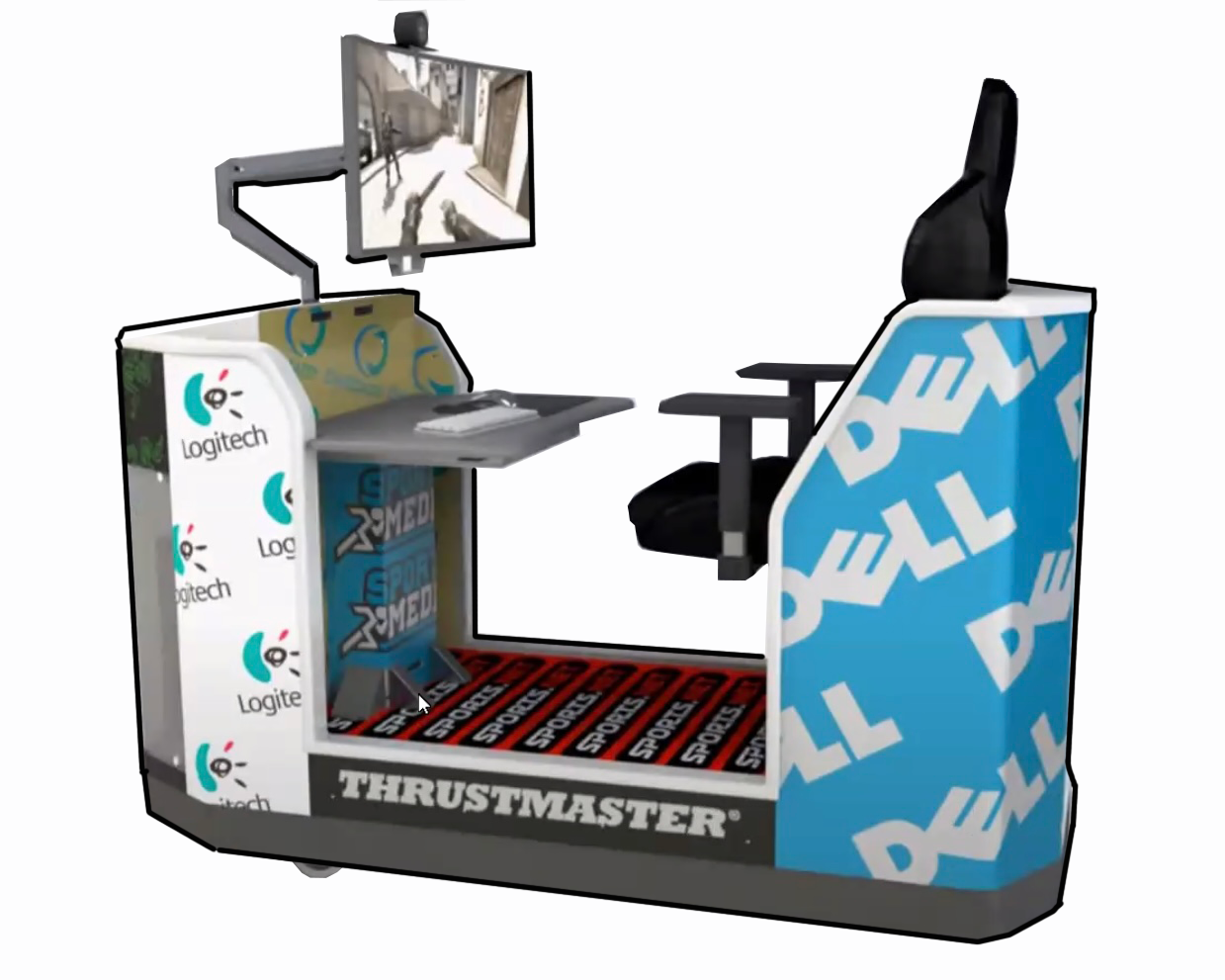
Dakdan's esports pods represent this philosophy in action. These custom-designed environments bring professional-grade media production capabilities into educational settings. Students learn content creation, asset management, live production, and distribution in hands-on environments that mirror professional operations.
For brands seeking to reach high school students while driving educational growth, sponsorship opportunities within these programs offer unique value. Unlike traditional advertising, which interrupts the experience, integrated sponsorships within educational esports environments become part of the learning process. Students engage with brand technology, brand messaging, and brand values in meaningful contexts that create lasting impressions.

The sports media solutions that power professional leagues can scale down to serve educational institutions. The same principles of metadata organization, rapid distribution, and multi-platform content strategy apply. Students who master these skills in high school arrive at college and professional opportunities ready to contribute from day one.
The Creator Economy and Sports Content
Progressive sports organizations are building direct relationships with content creators and individual athletes who are emerging as powerful media brands in their own right. League-backed creator programs grant storytellers specialized archive access, positioning influencers as media platforms. Asset management systems that facilitate creator access have become competitive necessities.
This shift has profound implications for how sports content gets produced and consumed. Athletes with millions of social media followers need access to high-quality footage for their personal channels. Third-party creators who cover sports want official clips for analysis videos and highlight compilations. The organizations that make this access easy, while maintaining brand control and monetization rights, position themselves as preferred partners in the creator economy.
For brands, this opens new sponsorship pathways. Instead of simply placing logos on broadcasts, sponsors can integrate with creator content, athlete channels, and fan communities. The organizations with superior asset management can facilitate these partnerships more effectively, offering brands access to content ecosystems rather than just advertising inventory.
Omnichannel Strategy and Personalization
Leading sports organizations are launching their own OTT apps and channels that offer original content, personalization, and real-time updates. These direct-to-consumer platforms give leagues control over the fan experience while generating valuable first-party data. Asset management systems enable the organization of vast content libraries to tell the right story to the right fans at the right time across any device.
Personalization at scale requires the ability to bundle live games with curated highlights, behind-the-scenes content, and tailored archives that connect to fantasy features, betting integrations, and ecommerce opportunities. Fans who follow specific teams want content relevant to their interests. Fans who follow specific players want to see every available clip featuring their favorites. Delivering these personalized experiences demands sophisticated content organization and delivery systems.
The transformation underway in sports media signals that leagues are no longer simply sellers of premium content. They have become co-owners of how that content lives, how it gets distributed, and how it engages fans. Organizations that implement comprehensive asset management solutions position themselves to thrive in this creator-driven, data-enabled future.
Building Your Sports Media Strategy
Whether you represent a professional sports property, a college athletics program, an emerging esports organization, or a brand seeking meaningful sports partnerships, media asset management should sit at the center of your strategy. The ability to organize, find, and distribute content at speed and scale determines your competitive position in an industry that moves faster every year.
The investment in proper systems and workflows pays dividends across every aspect of operations. Marketing teams work more efficiently. Partnership deliverables improve. Fan engagement increases. Revenue opportunities multiply. The organizations that recognize media asset management as strategic infrastructure, rather than back-office technology, consistently outperform those that do not.
Ready to elevate your sports media strategy? Dakdan Worldwide offers consulting, media production, and sponsorship solutions for organizations across sports, entertainment, and education. From professional leagues to high school esports programs, we help brands connect with audiences through smart content strategies.
Contact us today:
- Website: dakdan.com
- Press: press.dakdan.com
- Email: info@dakdan.com
- Phone: +1 (970) 578-4652
#AskDakdan | #SportsMedia | #MediaAssetManagement | #EsportsEducation | #SportsMarketing