
Brand partnerships have become one of the most powerful tools in modern marketing. But here is the reality most companies face: a significant number of sponsorships fail to deliver measurable returns. The difference between partnerships that generate real revenue and those that fall flat comes down to one thing. Both sides stayed committed to a structured framework from day one.
At Dakdan Worldwide, our media and consulting solutions are built on this principle. Whether you are activating sponsorships in professional sports venues or integrating brand experiences into educational esports programs, the framework remains the same. Let us break down the proven four-phase approach that consistently drives sponsorship ROI.
Understanding the Four-Phase Partnership Framework
Successful brand partnerships follow a predictable path. This is not about luck or hoping the right opportunity falls into your lap. It is about executing a systematic process that eliminates guesswork and keeps both parties accountable.
The framework consists of four distinct phases:
- Discover – Mapping opportunities and evaluating potential partners
- Design – Defining value exchange and establishing clear roles
- Deliver – Launching joint initiatives with shared KPIs
- Develop – Measuring results and optimizing performance
Each phase builds on the previous one. Skip a step, and you risk building your partnership on a shaky foundation.

Phase One: Discover Your Ideal Partnership Opportunities
The discovery phase is where most partnerships either set themselves up for success or plant the seeds of future failure. This is not about finding partners with the biggest audience or the flashiest brand. It is about identifying where your brand and a potential partner meaningfully intersect.
Strategic Alignment Matters More Than Size
Look beyond surface-level metrics. The real questions you need to answer include:
- Do your customer pain points and aspirations overlap?
- Does the partner's brand positioning complement yours authentically?
- What do their customer reviews and marketing campaigns reveal about their values?
- Is there genuine alignment in how both brands approach customer experience?
Research thoroughly. Examine their marketing campaigns, customer feedback, and how they interact with their audience. A partnership with a smaller, aligned brand will outperform a mismatched deal with a household name every time.
Use a Fit Score System
Evaluate potential partners across five dimensions:
- Strategic alignment – Do your long-term goals complement each other?
- Complementary capabilities – What unique value does each party bring?
- Access to the right customers – Will this partnership reach your target audience?
- Operating readiness – Can both organizations execute effectively?
- Executive sponsorship – Is there leadership buy-in on both sides?
Before scaling any partnership, validate your assumptions through a short pilot program. This protects both parties and reveals potential friction points early.
Phase Two: Design a Clear Value Exchange
Once you have identified the right partner, the design phase establishes exactly how the partnership will function. Vague promises lead to vague results. Specificity is your best friend here.
Define One Primary Objective Per Segment
Partnerships that try to accomplish everything accomplish nothing. Choose your focus:
- Are you entering new markets?
- Accelerating product development?
- Growing your sales pipeline?
- Building brand awareness with a specific demographic?
For each focus area, establish objectives using the SMART framework. Your goals must be specific, measurable, attainable, relevant, and timely. Document these objectives clearly so every stakeholder understands why the partnership exists and how success will be measured.
Specify Concrete Contributions
This is where partnerships often fall apart. Both parties make enthusiastic but vague commitments, then wonder why results never materialize.
Instead, state what each party contributes in specific, measurable terms:
- Your partner commits to 50,000 email sends on launch day
- You commit to three social media posts per week across designated platforms
- Your partner will deliver 40,000 qualified leads by a specific milestone
- You will allocate a defined monthly budget toward paid amplification
Map decision-making authority clearly. Identify one primary contact from each organization who holds power to approve budget changes, resolve conflicts, and make strategic pivots.
Phase Three: Deliver With Shared Accountability
Execution is where strategy meets reality. The delivery phase requires both parties to operate with transparency, regular communication, and a shared commitment to the numbers defined during design.

Establish Performance-Based KPIs
Set measurable targets that include:
- Initial baseline measure
- Target measure
- Specific unit of measurement
- Checkpoint timeline
Include three to five core metrics with a 30-day checkpoint to assess whether the partnership is tracking toward goals. This is not about micromanaging. It is about catching potential issues before they become partnership-ending problems.
Build in Accountability Mechanisms
If results lag by more than 20 percent from targets, both parties agree to a strategy call within 48 hours. Use this time to adjust messaging, targeting, or resource allocation. This approach prevents slow-motion failure and keeps everyone focused on outcomes.
Phase Four: Develop Through Continuous Optimization
The final phase is where good partnerships become great ones. Development is not a one-time event. It is an ongoing process of measurement, learning, and refinement.
Include Flexibility Clauses
Smart partnership agreements include provisions allowing either party to pause or scale the partnership based on performance data:
- Strong performance triggers accelerated investment
- Underperformance creates grounds for strategic pivots without penalty
- Clear exit conditions prevent resentment and keep both sides focused on results
This flexibility is not about having one foot out the door. It is about creating space for honest conversations and data-driven decisions.
Measure What Matters
Track the metrics you established during the design phase religiously. Review them at your scheduled checkpoints. Celebrate wins together, and address shortfalls collaboratively.
Applying the Framework: Educational Esports Sponsorships
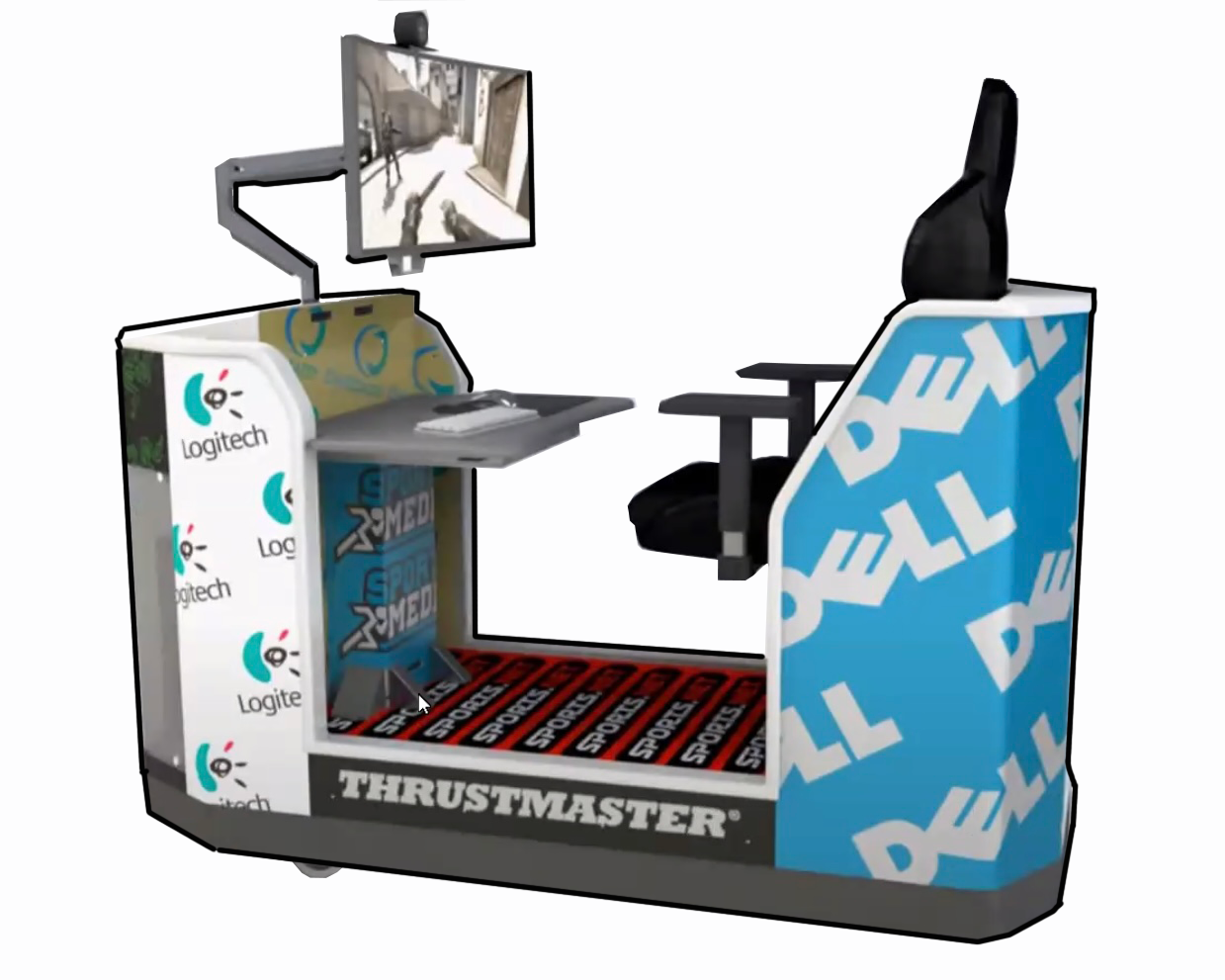
One area where this framework delivers exceptional results is educational esports sponsorships. Brands looking to reach high school students through authentic experiences find tremendous value in partnering with schools and organizations that operate esports programs.
![[#askdakdan] Interactive brand engagement](https://cdn.marblism.com/tP_Ruasoo3x.png)
Why Educational Esports Works
Esports in high schools creates a unique environment where students engage deeply with technology, teamwork, and strategic thinking. For brands, this represents an opportunity to:
- Connect with young audiences in a genuinely meaningful context
- Associate their brand with educational growth and skill development
- Integrate products naturally into learning environments
- Build long-term brand loyalty with the next generation of consumers
The framework applies perfectly here. Discover schools and programs aligned with your brand values. Design specific activation plans with measurable objectives. Deliver experiences that benefit students while achieving marketing goals. Develop the relationship based on real results.
Key Takeaways for Sponsorship Success
Partnerships that generate measurable revenue share common traits:
- Alignment over size – Choose partners whose values and audiences genuinely complement yours
- Specificity over promises – Document exact contributions from both parties
- Accountability over hope – Build in checkpoints and communication protocols
- Flexibility over rigidity – Allow for data-driven pivots without penalty
The difference between partnerships that work and those that waste resources comes down to discipline. Invest time in alignment. Document everything clearly. Hold each other accountable to specific results.
Partner With Dakdan Worldwide
Ready to build brand partnerships that deliver real sponsorship ROI? Dakdan Worldwide offers comprehensive media and consulting solutions designed to help brands connect with audiences through sports, entertainment, and educational initiatives.
Whether you are exploring sponsorship opportunities in professional venues or looking to reach high school students through esports programs, our team brings the strategic framework and execution expertise to make partnerships succeed.
Get in touch:
- Website: dakdan.com
- Contact: info@dakdan.com
- Phone: +1 (970) 578-4652
- Press: press.dakdan.com
Have questions about partnership strategy? Use #askdakdan on social media, and our team will connect with you directly.