
FOR IMMEDIATE RELEASE
Colorado, USA – Digital signage has evolved from static screens displaying simple advertisements into dynamic, data-driven platforms that transform how brands connect with sports fans. For advertisers looking to maximize their reach across sports venues, educational institutions, and entertainment districts, integrating digital signage marketing with a comprehensive sports advertising network creates unprecedented opportunities for engagement and measurable results.
This guide breaks down the essential strategies for building a seamless integration between your digital signage assets and sports advertising infrastructure.
Understanding the Modern Sports Advertising Ecosystem
The sports advertising landscape now spans far beyond traditional stadium billboards and broadcast commercials. Today's networks encompass venue displays, transit hubs, fan zones, mobile applications, and increasingly, educational environments where the next generation of sports enthusiasts develops their brand preferences.
Successful integration requires thinking about the complete fan journey. From the moment someone plans to attend an event through post-game celebrations, every touchpoint represents an opportunity to deliver relevant, timely messaging that resonates with your target audience.
Planning Your Multi-Screen Strategy
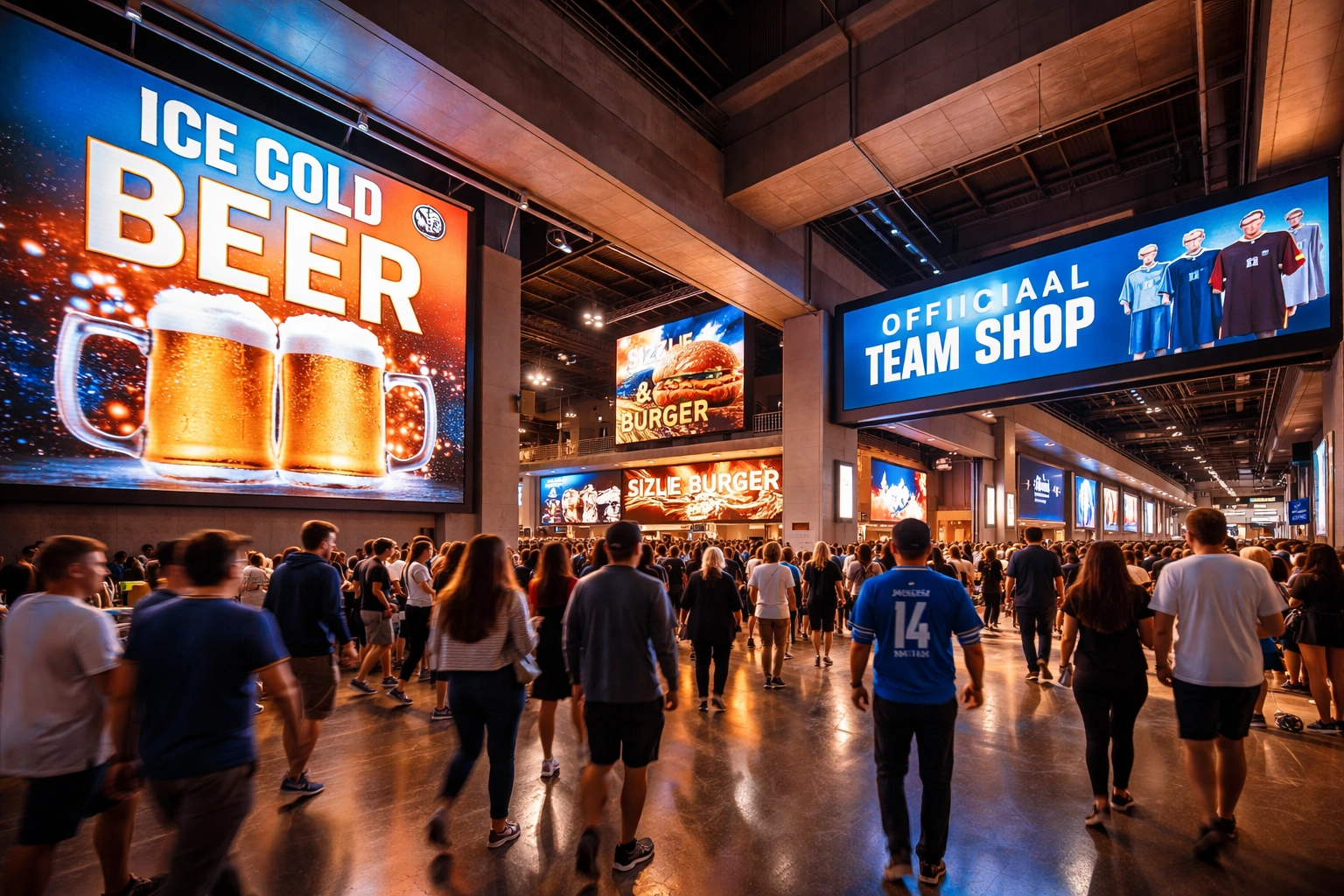
The foundation of effective digital signage integration starts with mapping high-intent zones where fans naturally congregate. These include:
- Stadium concourses and seating areas
- Airports and transit hubs serving event venues
- Entertainment districts and fan zones
- Educational facilities with esports programs
- Sports bars and community gathering spaces
Rather than selecting screen locations arbitrarily, align your placement strategy with actual fan movement patterns. Understanding how audiences flow through spaces before, during, and after events allows you to position content where engagement peaks.
Modern stadium technology offers remarkable synchronization capabilities. Main videoboards can coordinate with concourse displays, digital kiosks, and mobile notifications to deliver unified messaging at critical moments. When a major play happens on the field, your advertising can appear across all connected screens simultaneously, creating immersive brand experiences that capture attention.
Leveraging Programmatic Digital Out-of-Home Advertising
Programmatic digital out-of-home (pDOOH) technology adds flexibility that traditional media buying cannot match. Instead of committing to static content weeks in advance, programmatic systems enable:
- Real-time ad activation timed to game kickoffs or key moments
- Dynamic messaging updates at halftime or following major plays
- Instant reactions to weather changes, crowd movement, or breaking news
- Audience-based targeting that adjusts based on who is actually present
Dynamic Creative Optimization (DCO) takes this further by automatically generating ad variations based on contextual triggers. Your creative can adapt to game scores, local weather conditions, time of day, or even the current emotional state of the crowd.
Integrating Geofencing and Behavioral Targeting
Geofencing technology combined with device data transforms digital signage from broadcast advertising into precision targeting. By understanding actual movement patterns, you can reach audiences based on their behavior rather than assumptions about who might see a particular screen.
This approach proves particularly valuable around stadiums, fan zones, transit hubs, and entertainment venues. Your ads display when engagement potential peaks, aligned with how fans actually navigate through host cities and event spaces.
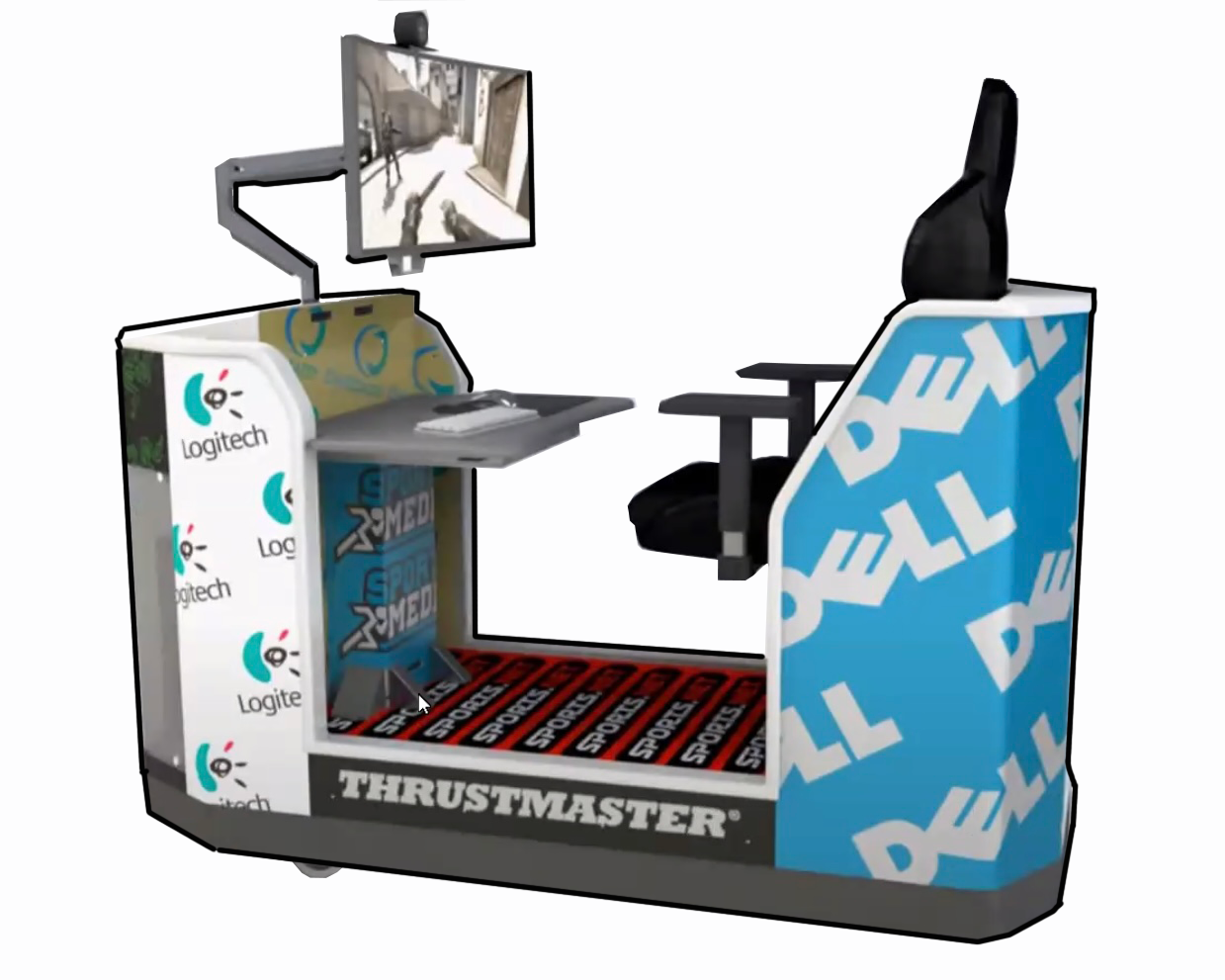
For brands seeking to connect with younger demographics, educational environments with esports programs offer compelling geofencing opportunities. Schools implementing gaming and simulation-based learning attract engaged students who represent valuable future consumers for technology, sports apparel, and entertainment brands.
Connecting Digital Signage to Mobile and AR Experiences
Static viewing has given way to interactive engagement. Modern digital signage strategies incorporate mobile integration and augmented reality to deepen audience connections:
QR Codes and Mobile Prompts – Physical displays featuring scannable codes transform passive viewers into active participants. Fans can access exclusive content, enter promotions, or join loyalty programs directly from their smartphones.
Augmented Reality Overlays – Attendees pointing their devices at screens or playing fields can see player statistics, instant replays, and personalized content layered over their real-world view.
Live Polls and Interactive Features – Real-time audience participation generates first-party data while creating memorable experiences that fans share across social platforms.
These integrations prove especially effective in educational esports environments. Students naturally gravitate toward interactive technology, making schools with dedicated gaming pods ideal testing grounds for innovative engagement strategies.

Implementing Privacy-Safe Analytics and Attribution
Measuring digital signage effectiveness requires sophisticated analytics that respect user privacy while delivering actionable insights. Best practices include:
- Linking exposure data to real-world outcomes like purchases, venue attendance, and foot traffic
- Building attribution pipelines that prove campaign impact across multiple touchpoints
- Deploying IoT sensors to track how signage influences behavior without capturing personally identifiable information
- Establishing standardized measurement frameworks that allow cross-platform comparison
The shift toward privacy-safe analytics benefits brands building long-term audience relationships. By demonstrating respect for consumer data, advertisers strengthen trust while still gathering the intelligence needed to optimize campaigns.
Using AI to Localize and Optimize Performance
Artificial intelligence transforms digital signage operations from manual processes into automated, continuously improving systems. Key applications include:
Content Localization – AI automatically adapts creative based on regional preferences, language requirements, and cultural context. A single campaign can serve diverse markets without requiring separate production for each location.
Scheduling Automation – Machine learning optimizes when and where content appears across your signage network. The system learns from performance data, continuously refining scheduling decisions to maximize engagement.
Cross-Platform Optimization – AI coordinates content performance across digital signage, mobile applications, and interactive kiosks, ensuring consistent messaging while adapting format for each channel.
Creating Shareable Moments and Social Amplification
Digital signage that encourages user-generated content extends your reach far beyond physical venue walls. Eye-catching digital backdrops, AR photo filters, and interactive installations turn attendees into brand ambassadors who share their experiences across social platforms.
Some venues now explicitly design "Instagrammable" moments into their signage networks. These installations combine striking visuals with easy sharing mechanics, generating organic social exposure that supplements paid advertising investment.

Educational Environments as Emerging Advertising Frontiers
High schools implementing esports programs and simulation-based learning represent one of the most exciting opportunities in sports advertising. These environments combine engaged young audiences with technology-forward infrastructure that supports sophisticated digital signage integration.
Brands sponsoring educational esports pods gain access to students during formative years when brand preferences develop. Unlike traditional advertising that interrupts entertainment, sponsorships supporting educational initiatives create positive associations that build lasting loyalty.
Dakdan Worldwide has pioneered approaches connecting sponsors with educational gaming environments. These partnerships fund equipment, curriculum development, and competitive programs while providing brands authentic connections with young consumers.
Synchronizing Broadcast and In-Venue Content
Bridging the experience gap between television viewers and in-stadium attendees creates cohesive brand impressions regardless of how fans consume sports content. Mobile applications can deliver augmented overlays to stadium attendees that replicate broadcast graphics, while digital signage can reference moments happening on television coverage.
This synchronization ensures your advertising message reaches audiences consistently whether they watch from home, attend in person, or follow along through social media. The unified approach multiplies effective frequency without increasing creative production costs.
Building Your Integration Roadmap
Successful digital signage integration with sports advertising networks requires strategic planning across technology, creative, and measurement dimensions. Start by auditing your current signage assets and advertising inventory, then identify gaps where additional screens or capabilities would strengthen your network.
Prioritize programmatic capabilities that add flexibility to your buying approach. Invest in analytics infrastructure that demonstrates campaign value to stakeholders. And explore emerging opportunities in educational esports environments where early movers establish lasting competitive advantages.
About Dakdan Worldwide
Dakdan Worldwide operates at the intersection of media, sports, entertainment, and advertising. Our family of companies delivers integrated solutions spanning consulting, content production, and venue technology. Learn more about our sports media capabilities and esports initiatives.
Contact Information:
Dan Kost, CEO
Email: info@dakdan.com
Phone: +1 (970) 578-4652
Website: https://dakdan.com
Press Inquiries: https://press.dakdan.com
#DigitalSignage #SportsAdvertising #EsportsEducation #pDOOH #SportsTech #AskDakdan #FanEngagement #StadiumMarketing #ARSports #ProgrammaticAdvertising