
Brand partnerships have become one of the most effective ways for companies to expand their reach, connect with new audiences, and drive meaningful business results. When executed correctly, these strategic alliances can generate significant revenue growth and position both partners as leaders in their respective markets.
But here's the thing: successful brand partnerships don't happen by accident. They require careful planning, clear communication, and a commitment to mutual benefit. Whether you're looking to break into new markets, connect with younger demographics through esports and educational initiatives, or amplify your media presence, this guide will walk you through everything you need to build partnerships that deliver real results.
Start With Crystal-Clear Goals
The foundation of any successful brand partnership begins with defining exactly what you want to achieve. Vague objectives like "increase brand awareness" won't cut it. Instead, get specific with measurable targets.
Ask yourself these questions:
- Are you trying to reach a new customer segment?
- Do you want to boost revenue by a specific percentage?
- Are you looking to enter a new geographic market or industry vertical?
Your goals should be measurable and time-bound. For example, "reach 50,000 new potential customers through strategic partnerships" gives you something concrete to track and evaluate. This clarity keeps both partners accountable and ensures everyone is working toward the same outcomes.
Balance your short-term wins with long-term relationship building. Some partnerships deliver immediate results, while others build valuable relationships that pay dividends over years of collaboration.

Find Partners That Truly Align With Your Brand
One of the biggest opportunities in brand partnerships comes from looking beyond audience size to find genuine compatibility. The best partnerships happen between companies that serve the same customers at different points in their journey, or with different but related needs.
When evaluating potential partners, consider these key dimensions:
Market Positioning: Understand how the potential partner is perceived in their market. Does their reputation align with yours? If they operate in a completely different price bracket or quality tier, the partnership may feel forced to your shared audience.
Customer Base: Evaluate audience demographics to verify alignment with your target market. This is especially important when targeting specific demographics like high school students, young professionals, or sports enthusiasts.
Complementary Strengths: Identify what unique value each partner brings to the table. The goal is to enhance each other's offerings, not compete.
Growth Potential: Consider whether the partnership has room to scale and evolve as both brands grow.
Social listening tools can help identify brands that your target audience already engages with and trusts. These natural partnership opportunities often yield the strongest results because the audience connection already exists.
Structure Your Partnership for Success
Once you've identified the right partner, it's time to create a compelling proposal that focuses on mutual benefit. Research their current challenges, goals, and recent initiatives so you can position your partnership as a solution to their problems.
Your proposal should clearly outline:
- What each brand contributes
- What both brands gain
- How success will be measured
- Specific ideas for collaboration
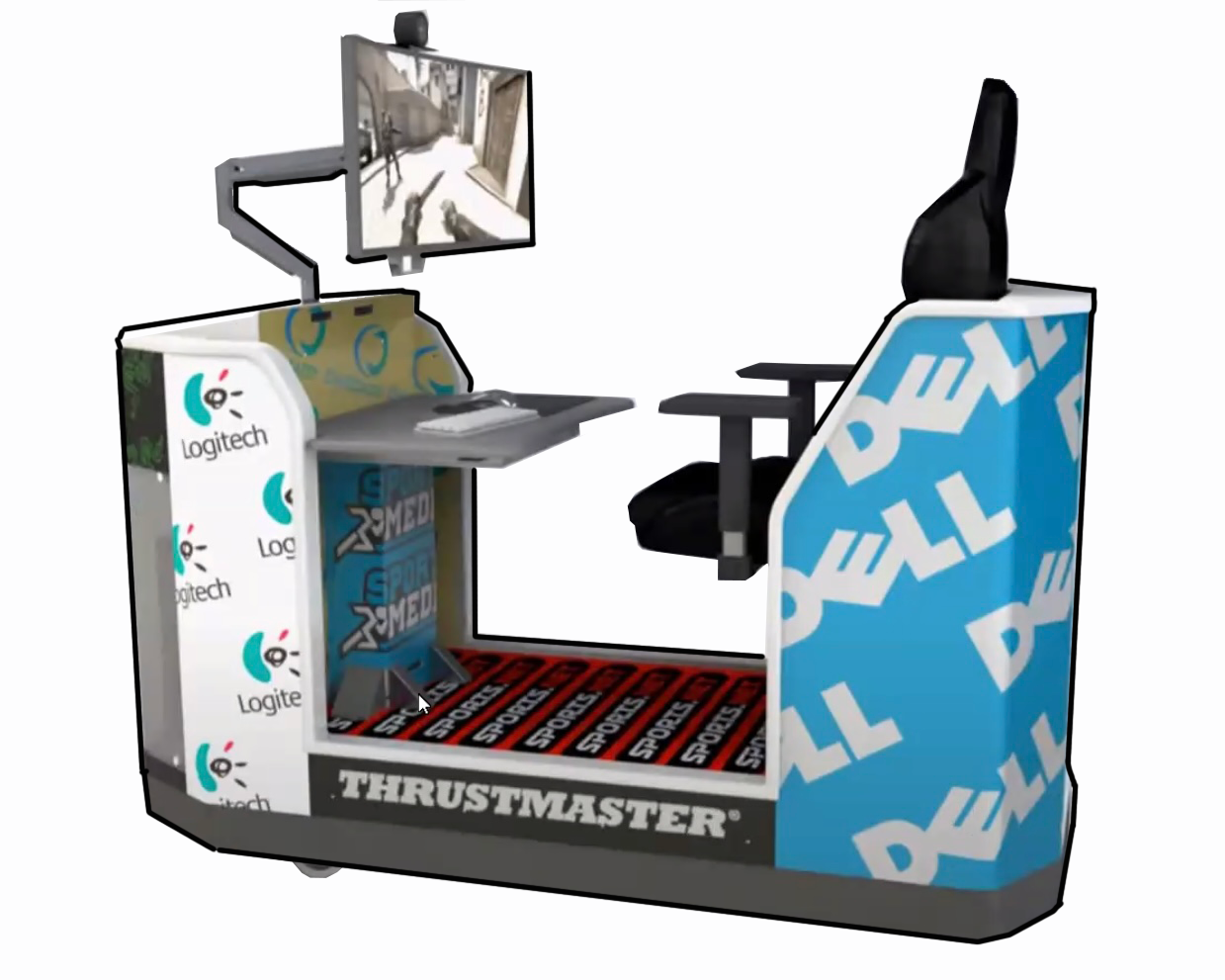
Consider how brands like Dell, Logitech, and Thrustmaster have leveraged esports partnerships to reach younger audiences through gaming pods and tournament sponsorships. These integrated media and sponsorship opportunities create authentic touchpoints with engaged communities.
Map Decision-Making Authority
Identify one primary contact from each organization who holds the power to approve budget changes, adjust timelines, and resolve conflicts. Specify whether major decisions require consensus or if each partner retains veto power over certain categories. Without this structure, partnerships stall because no one can make decisions efficiently.
Define Concrete Deliverables
State what each party contributes in specific, measurable terms. Use the SMART framework to define objectives and include specific timelines for deliverables, payment schedules, and performance reviews.
For example: your partner commits to 50,000 email sends on launch day while you commit to three social media posts per week across Instagram and LinkedIn. This level of specificity eliminates ambiguity and sets clear expectations.
Execute and Monitor Performance
Successful partnerships require project management discipline with defined roles, responsibilities, and communication protocols. Set regular checkpoints to assess whether the partnership is tracking toward your defined metrics.

Establish these monitoring practices:
Regular Check-ins: Schedule consistent communication touchpoints to share progress updates and address any challenges before they become problems.
Brand Health Tracking: Monitor how the collaboration affects your brand perception among both existing customers and your partner's audience. Partnerships should enhance, not dilute, your brand equity.
Performance Adjustments: If results lag behind expectations, agree in advance to strategy calls where both parties can adjust messaging, targeting, or resource allocation.
The partnerships that generate the strongest returns share one thing in common: both sides stay committed to the numbers they defined at the start while remaining flexible in their approach to achieving them.
Unlock Sponsorship Opportunities in Education and Esports
One of the most exciting frontiers in brand partnership strategy involves connecting with younger audiences through educational initiatives and esports programs. High schools across the country are integrating esports and simulation-based learning into their curricula, creating unique sponsorship opportunities for forward-thinking brands.
Custom esports gaming pods, like those being deployed in educational settings, offer integrated media and sponsorship placements that reach students in authentic, engaging environments. These setups highlight opportunities for digital events, tournaments, and venue installations that create meaningful brand connections.
For brands looking to reach high school students and support educational growth, these partnerships deliver:
- Authentic engagement with Gen Z audiences
- Association with educational advancement and technology
- Long-term brand loyalty building during formative years
- Community goodwill through supporting student programs

How Dakdan Worldwide Supports Your Partnership Strategy
At Dakdan Worldwide, we specialize in helping brands develop and execute strategic partnerships across media, sports, entertainment, and advertising. Our consulting solutions guide you through every phase of the partnership lifecycle, from identifying the right partners to measuring campaign performance.
Our expertise spans:
- Media Production and Consulting: Strategic guidance on partnership development and campaign execution
- Sports and Entertainment: Connecting brands with audiences through sports media and live event opportunities
- Educational Initiatives: Supporting brands in reaching younger demographics through esports and simulation-based learning programs
Whether you're looking to launch your first brand partnership or scale an existing program, our team brings the strategic insight and industry connections to make it happen.
Getting Started
The most practical approach to brand partnerships is to start focused and build from there. Identify one potential partner who genuinely complements your strengths and serves an audience that overlaps meaningfully with yours.
Run a 30-day test with a single initiative, whether that's a co-hosted webinar, bundled offer, or joint content campaign. Measure three key metrics religiously and adjust your strategy based on what the data tells you.
Partnerships built on clear goals, genuine alignment, and mutual accountability consistently outperform those thrown together without strategic foundation. Take the time to build it right, and your brand partnerships will become one of your most valuable growth channels.
Ready to develop a brand partnership strategy that delivers results?
Contact Dakdan Worldwide to explore how our media and consulting solutions can help you connect with the right partners and audiences.
📧 Email: info@dakdan.com
📞 Phone: +1 (970) 578-4652
🌐 Website: dakdan.com
📰 Press: press.dakdan.com
📬 Contact Us: dakdan.com/contact