
Digital signage has become a cornerstone of modern venue management. Whether you operate a zoo, stadium, concert hall, or entertainment complex, integrating digital displays into your overall strategy creates opportunities for real-time communication, enhanced sponsor visibility, and deeper audience engagement.
This guide walks you through everything you need to know about building a cohesive digital signage marketing strategy that works seamlessly with your venue operations.
Why Digital Signage Belongs in Your Venue Strategy
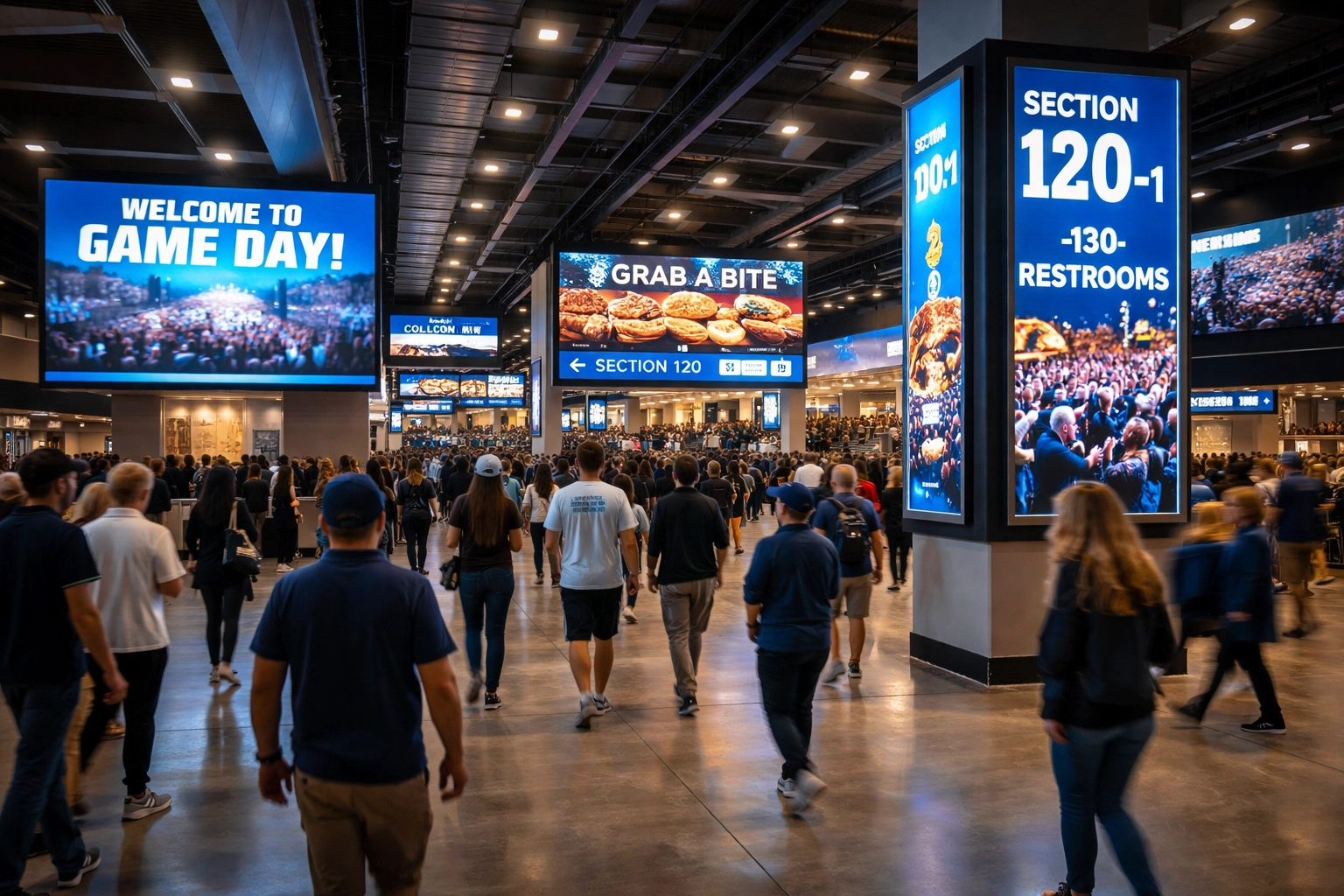
Static signage served its purpose for decades, but modern venues demand flexibility. Digital signage delivers real-time updates without reprinting costs, interactive engagement with visitors, measurable analytics, and enhanced brand perception across every touchpoint.
For stadiums, this means changing promotions instantly during a game. For zoos, it means guiding guests to exhibits while showcasing conservation messages. For entertainment spaces, it means creating immersive experiences that keep visitors engaged from the moment they arrive until they leave.
The shift from static to digital is not just about aesthetics. It is about creating a connected ecosystem where every screen serves a strategic purpose.
Core Components You Need for Successful Integration
Before diving into content strategy, you need the right infrastructure in place. Here are the foundational elements every venue should consider.
Display Hardware
Commercial-grade LCD or LED panels are essential. Brightness levels between 500 and 2,500 nits work best, depending on whether your displays are indoors or outdoors. Stadiums and concert venues typically benefit from large LED walls that can show live scores, instant replays, or behind-the-scenes content that keeps fans engaged.
Media Players
Your displays need something to power them. ChromeOS boxes, Windows mini PCs, or Android devices that host your signage software are the most common options. Standardizing your media players across all locations makes updates and troubleshooting significantly easier.
Cloud-Based Content Management System
A robust CMS is the backbone of your digital signage strategy. Look for software that enables remote scheduling, drag-and-drop uploads, and app integration across multiple locations. The ability to manage content from anywhere, at any time, transforms how quickly you can respond to changing circumstances.
Network Infrastructure
Stable Ethernet or Wi-Fi connections ensure real-time updates and multi-site synchronization. For venues with multiple buildings or outdoor areas, fiber connections may be necessary. Before installation, verify your venue can accommodate power drops and network drops in the locations where you plan to place displays.
Key Integration Features That Drive Results
Once your infrastructure is in place, these features will help you maximize the impact of your digital signage investment.
Real-Time Content Updates
The ability to change promotions, schedules, or sponsor messages instantly through your CMS is invaluable. When events run behind schedule or last-minute changes occur, you can communicate with your entire audience in seconds rather than hours.
Interactive Displays
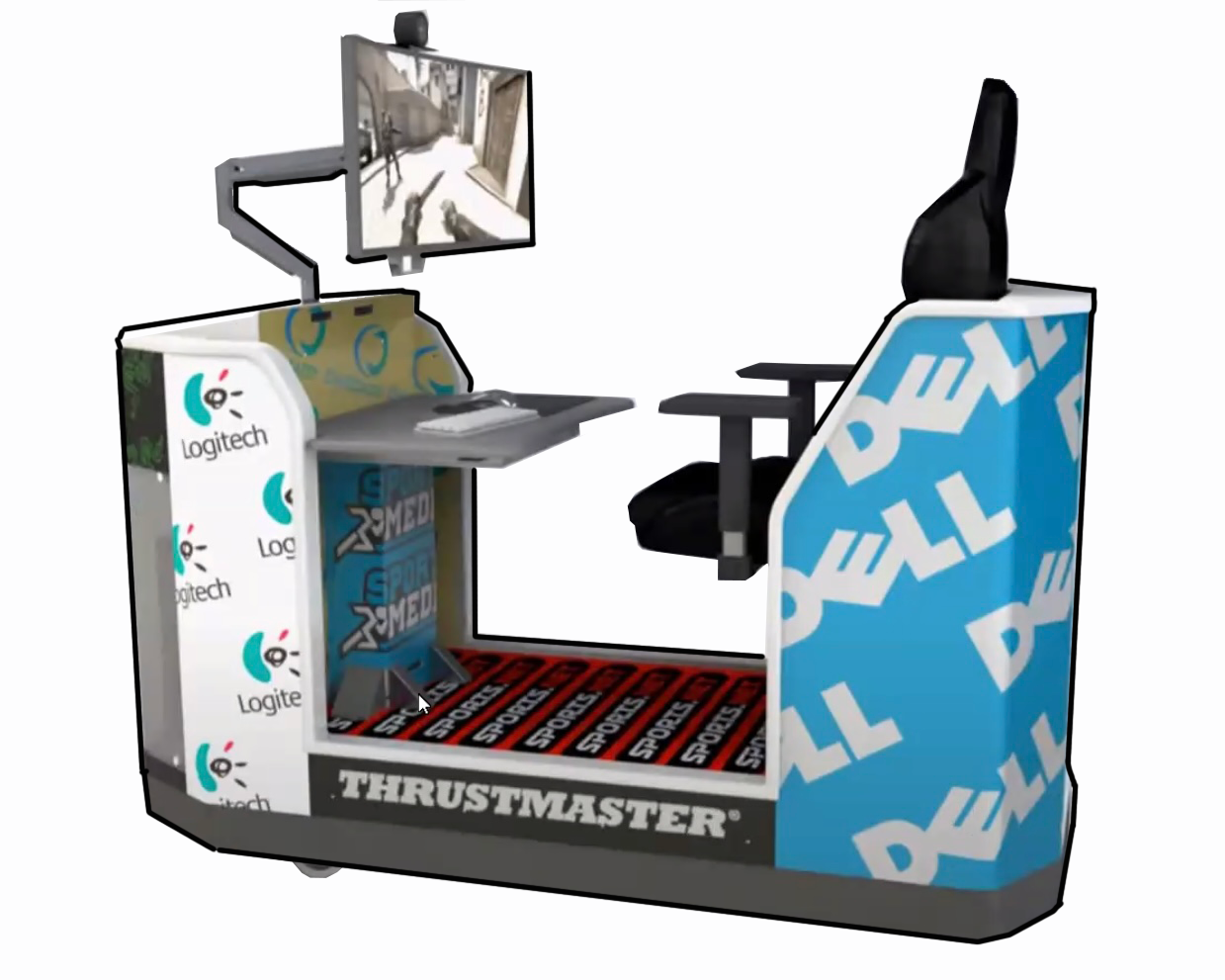
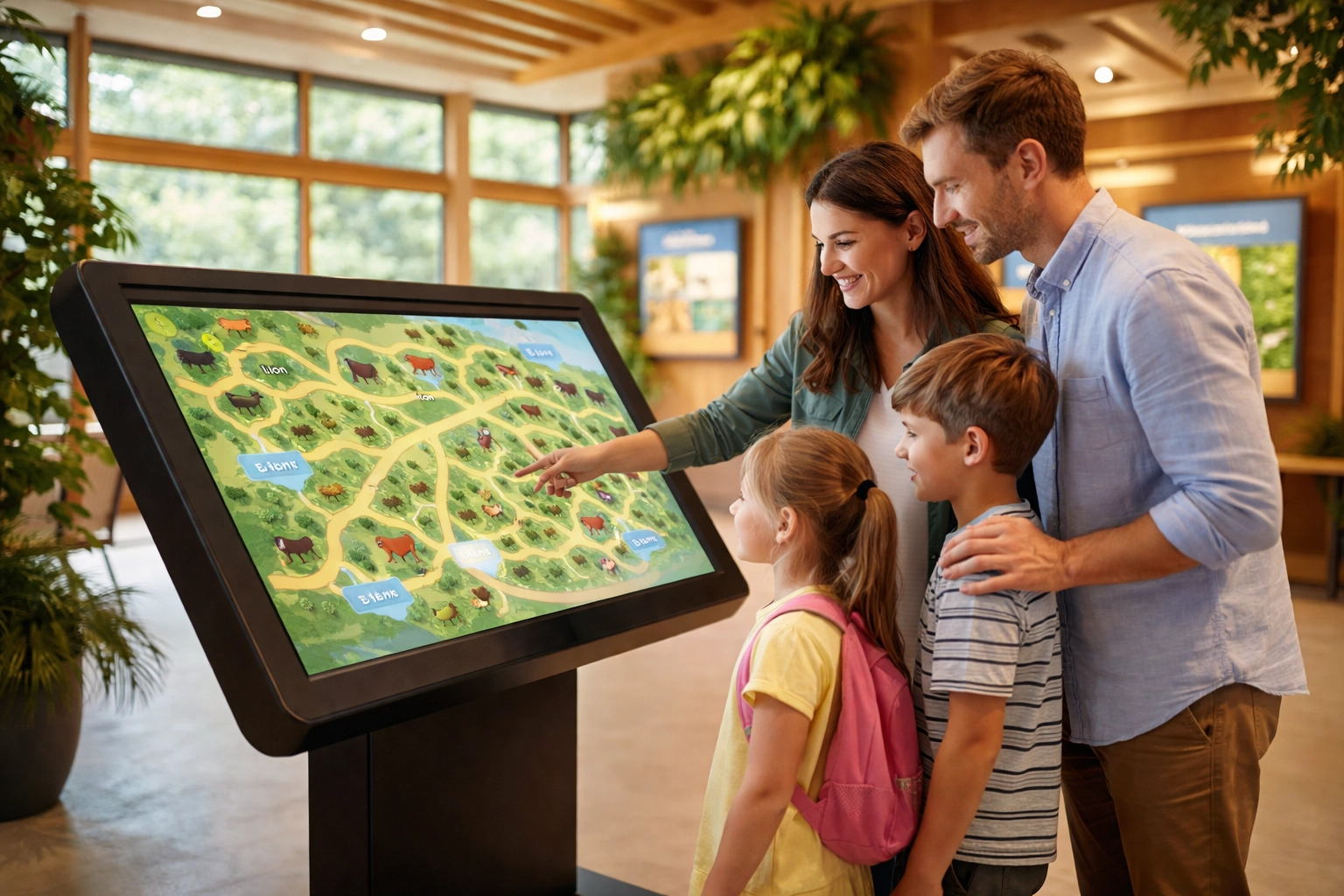
Deploy kiosks where visitors can browse menus, product information, or event schedules. For zoos, this could mean wayfinding to exhibits with animal facts and feeding times. For stadiums, interactive sponsor activations create memorable experiences that drive brand recall.
System Integration
Link your signage with point-of-sale systems, ticketing platforms, or inventory management tools for accurate, dynamic content. Menu boards can update automatically when items sell out. Ticket availability can display in real time. Promotions can shift based on actual sales data.
Analytics and Data Collection
Track which advertisements, schedules, or updates capture visitor attention. This data helps you optimize future content placement, understand traffic patterns, and demonstrate ROI to sponsors and stakeholders.
Scalability
One cloud-based system can manage displays from a small café to a massive stadium. This scalability allows you to grow your digital signage network without redesigning your entire infrastructure.
Content Customization
Tailor messaging by time of day, location within the venue, or audience type. A zoo might show different messages during peak versus off-peak hours. A stadium could highlight different sponsors in different seating sections. An entertainment venue might adjust content based on the demographic attending a specific event.
Practical Applications by Venue Type
Different venues have different needs. Here is how digital signage integration looks across various settings.
Stadiums and Concert Venues
Large LED walls serve multiple purposes in these high-energy environments. Live scores keep fans informed. Instant replays enhance the viewing experience. Behind-the-scenes footage creates exclusive content that makes attending in person more valuable than watching from home. Sponsor highlights provide premium exposure that justifies partnership investments.
The key is balancing entertainment value with commercial messaging. Fans should feel like the signage enhances their experience rather than interrupting it.
Zoos and Aquariums
Educational content thrives on digital displays. Animal facts, conservation messages, and feeding schedules keep guests engaged while supporting your mission. Wayfinding displays help visitors navigate large properties without getting lost or missing key exhibits.
Sponsor integration in these settings works best when aligned with conservation messaging. A beverage company sponsoring a water conservation display at an aquarium creates a natural connection that resonates with visitors.
Event and Conference Spaces
Welcome walls create professional first impressions. Live agenda boards keep attendees informed. Real-time social media feeds pulling attendee posts build community and encourage engagement. Sponsor activation displays provide value to partners while enhancing the event atmosphere.
The ability to mix sponsor messages seamlessly with dynamic event elements like live streaming of sessions and schedule updates makes digital signage essential for modern event management.
Entertainment Spaces
Theme parks, museums, and entertainment complexes benefit from blending interactive kiosks with directional wayfinding. Visitors can explore options, plan their visits, and discover promotional content all in one interaction. This approach guides people through the venue while maximizing exposure to revenue-generating opportunities.
Implementation Checklist for Your Venue
Follow these steps to ensure a smooth integration process.
Assess your venue infrastructure. Confirm you have adequate power, network connectivity, and space for displays in your target locations.
Select a cloud CMS platform. Choose software that supports multi-device management, multi-user permissions, and remote monitoring with offline fallback playback.
Standardize your media players. Use consistent hardware across all locations for easier updates and troubleshooting.
Enable health monitoring. Configure automated alerts for offline screens or playback errors so issues are caught immediately.
Design content workflows. Establish how marketing teams, IT staff, and local managers contribute content while maintaining brand consistency.
Train multiple administrators. Avoid dependency on a single person managing all signage. This ensures continuity when staff changes occur.
Start with high-traffic areas. Prioritize entryways, concession stands, and wayfinding zones where visitors spend the most time looking for information.

Sponsorship Opportunities and Revenue Generation
Digital signage creates premium sponsorship inventory that static signage simply cannot match. The ability to rotate multiple sponsors, measure impressions, and adjust messaging in real time makes digital displays more valuable to partners.
For venues looking to maximize sponsorship revenue, consider tiered packages that include prime placement during peak hours, integration with interactive elements, and detailed analytics reporting. Sponsors increasingly expect data-driven insights, and digital signage delivers exactly that.
Dakdan Worldwide specializes in helping venues develop comprehensive media and sponsorship strategies that leverage digital signage alongside other marketing channels. From sports media solutions to entertainment venue consulting, the right partner can help you unlock the full potential of your digital infrastructure.
Moving Forward With Your Digital Signage Strategy
Integration success depends on treating digital signage not as isolated screens but as connected endpoints that extend your existing workflows. Whether you are displaying live event information, integrating sponsor content, or pushing real-time updates across hundreds of displays simultaneously, the technology should feel like a natural extension of your venue operations.
The venues that thrive in the coming years will be those that embrace digital signage as a strategic asset rather than a simple upgrade from static signs.
Ready to explore how digital signage can transform your venue strategy? Dakdan Worldwide provides media consulting and advertising solutions tailored to stadiums, entertainment spaces, zoos, aquariums, and more.
Contact us today:
- Website: https://dakdan.com
- Email: info@dakdan.com
- Phone: +1 (970) 578-4652
Visit our contact page to start the conversation.