

FOR IMMEDIATE RELEASE
Colorado, USA
The sports industry is evolving faster than ever. Between streaming wars, AI integration, and the explosive growth of esports, brands and organizations need to know where to place their bets. Not every trend translates into measurable returns, but the ones that do are reshaping how we think about fan engagement, sponsorship value, and long-term revenue.
Whether you are a brand looking to connect with younger audiences or a sports organization seeking smarter ways to monetize your platform, these ten trends are worth your attention. They are backed by data, driven by technology, and already delivering results for forward-thinking players in the market.
Let us break them down.
1. AI Integration Is No Longer Optional
Artificial intelligence has moved well beyond the pilot phase. According to recent industry surveys, 81% of sports executives expanded their AI usage in the past year alone. The applications are everywhere: ticketing optimization, marketing automation, fan engagement personalization, and athlete performance analysis.
The ROI case is simple. AI reduces manual overhead, accelerates decision-making, and helps organizations respond to fan behavior in real time. If you are still treating AI as a future consideration, you are already behind.

2. Local Media Streaming Is the New Battleground
The NBA's recent pivot toward local media rights signals a broader industry shift. Local broadcasts generate higher viewer engagement, longer watch times, and more valuable advertising inventory compared to national deals. The numbers are approaching a 50/50 split between streaming and traditional viewership.
For brands, this means rethinking where ad dollars go. Local streaming platforms offer hyper-targeted opportunities to reach dedicated fan bases without the premium pricing of national broadcasts.
3. Omnichannel Personalization Drives Revenue
Sporting goods brands are already proving the value of unified marketing ecosystems. By connecting email, RCS messaging, mobile apps, and web experiences through AI-led personalization, these companies are seeing meaningful engagement and revenue lifts within months of implementation.
The key is understanding athletic intent and lifecycle moments. A runner training for a marathon has different needs than a casual gym-goer. Brands that recognize these distinctions and deliver relevant content at the right time are winning the personalization game.
4. Direct-to-Fan Ecosystems Eliminate the Middleman
Leagues and broadcasters are building their own streaming subscriptions and distribution channels. By 2030, owned apps and social video platforms are expected to overtake websites as the primary fan engagement channels. This shift eliminates intermediaries and creates direct revenue streams.
For sponsors, direct-to-fan ecosystems offer cleaner data, better attribution, and more authentic touchpoints. The middleman markup is disappearing, and smart brands are following the audience.
5. Sports Analytics Is a Multi-Billion Dollar Opportunity
The sports analytics market is projected to grow from $4.47 billion in 2024 to $14.48 billion by 2030. That is a 20.6% compound annual growth rate. The demand spans ticketing optimization, sponsorship measurement, player scouting, and operational efficiency.
Organizations investing in data infrastructure now are positioning themselves to capture disproportionate value as the market matures. Analytics is not just a competitive advantage anymore. It is becoming table stakes.
6. Private Equity Is Transforming Talent Representation
Private equity capital has moved from novelty to operating reality in sports agencies. Firms with institutional backing are leveraging wealth and connections to attract top talent and expand service offerings. This trend is reshaping the competitive landscape for athlete representation.
For brands seeking partnership opportunities with athletes, understanding the evolving agency ecosystem matters. The players with PE backing often have more sophisticated marketing capabilities and broader reach.

7. Real-Time Personalized Fan Engagement Removes Friction
Teams using APIs to automatically update event pages with personalized content are seeing measurable improvements in conversion rates. By responding to fan behavior and location data in real time, these organizations remove sales friction during peak moments.
Imagine a fan checking ticket availability on their phone. Instead of a generic page, they see recommendations based on their past purchases, current location, and preferred seating sections. That level of personalization closes deals faster.
8. Women's Sports Investment Is Accelerating
Over half of sports executives are increasing investment in women's sport sponsorships. This is not just a feel-good trend. It represents a new valuation phase for women's athletics, driven by growing audiences, media coverage, and commercial viability.
Brands entering this space now are building equity with passionate fan bases while competition for premium placements remains relatively low. The window for early-mover advantage is closing fast.
9. Esports Is Creating Massive Commercial Opportunities
The esports industry is projected to grow from $2.0 billion in 2023 to $5.18 billion by 2029. That 17.5% CAGR reflects demand for event producers, partnership managers, and commercial operators who understand this unique ecosystem.
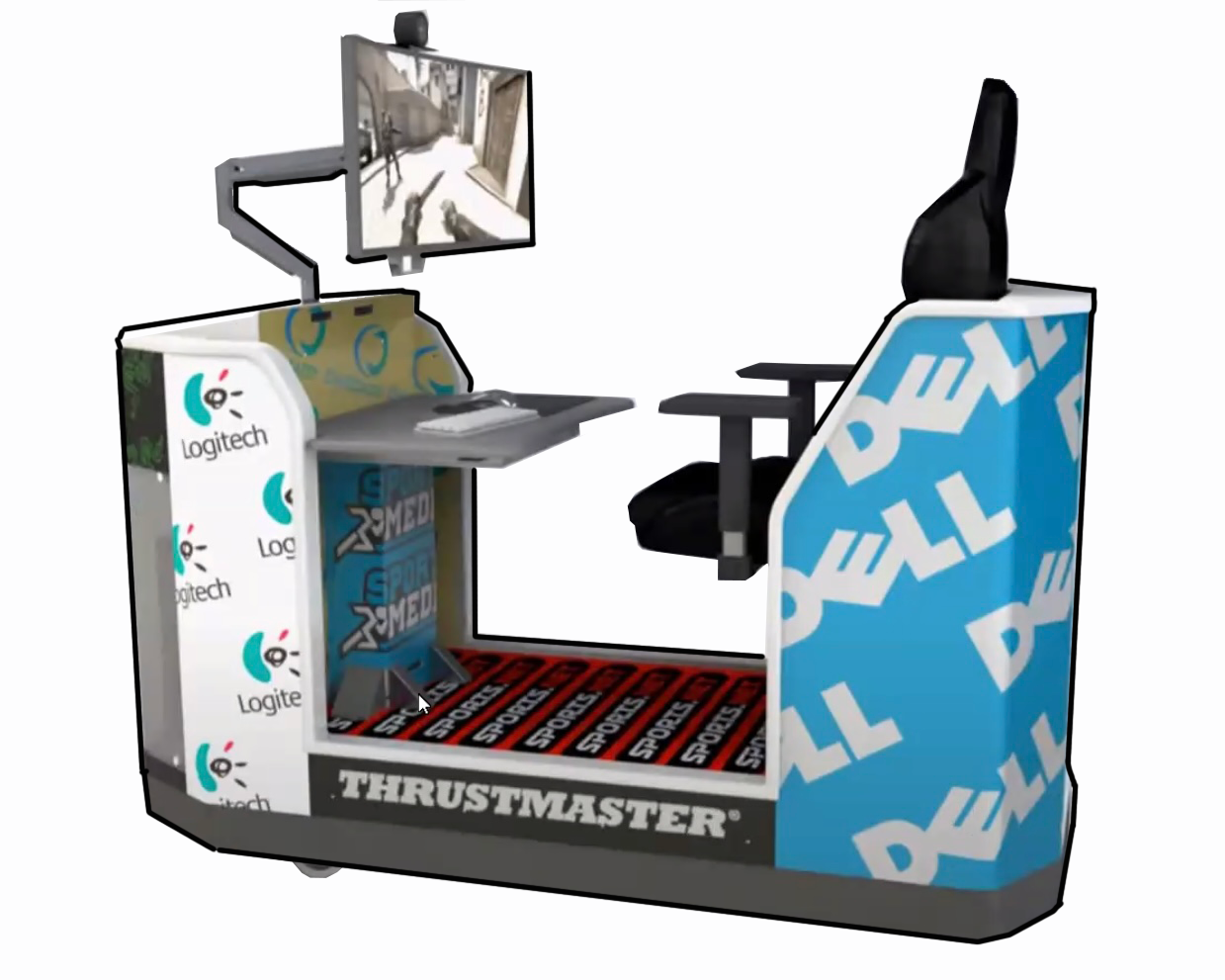
At Dakdan Worldwide, we are particularly focused on bringing esports infrastructure to educational environments. Our esports pod program creates sponsorship opportunities for brands looking to reach high school students while supporting educational growth through simulation-based learning. The combination of gaming, technology, and education creates authentic engagement that traditional advertising cannot replicate.

10. International Sponsorship Diversification Expands Revenue Streams
Nearly 50% of sports executives plan to grow their international sponsor portfolio. This diversification strategy reduces dependence on domestic markets and taps into emerging fan bases around the world.
For organizations with global reach, international sponsorship is not just about revenue. It is about building brand equity in markets that will drive growth for decades to come. The sports industry is inherently global, and sponsorship strategies need to reflect that reality.
Putting These Trends Into Action
Understanding trends is one thing. Translating them into ROI requires strategy, execution, and the right partnerships. Whether you are looking to integrate AI into your operations, build direct-to-fan ecosystems, or explore sponsorship opportunities in esports and emerging markets, the path forward starts with clear objectives and measurable outcomes.
At Dakdan Worldwide, we work with brands and organizations across sports, entertainment, and media to turn industry trends into tangible results. Our sports media solutions help clients navigate the evolving landscape while maximizing sponsorship value and fan engagement.
The sports industry rewards those who move decisively. These ten trends represent real opportunities for brands and organizations ready to invest in their future.
Ready to explore how these trends can drive ROI for your organization?
Visit dakdan.com to learn more about our consulting, media, and sponsorship solutions. For partnership inquiries or to discuss your next project, reach out directly.
Contact:
Dan Kost
Email: info@dakdan.com
Phone: +1 (970) 578-4652