
Live events have evolved far beyond their one-day shelf life. In today's media landscape, a single event can become a content engine that drives engagement, generates leads, and builds brand equity for months or even years afterward. The secret? Integrated event production that treats your live experience as a strategic business asset from day one.
At Dakdan Worldwide, we've spent years helping organizations across sports, entertainment, education, and corporate sectors transform their events from isolated moments into sustained revenue generators. Here's everything you need to know about making that shift.
What Makes Event Production "Integrated"?
Traditional event planning treats production as a checklist: book the venue, hire the AV team, order catering, and hope everything comes together. Integrated production flips this approach entirely.
Instead of thinking about your event as a single day on the calendar, integrated production views it as a multi-phase business initiative with three distinct stages that each deliver measurable value. This approach ensures every decision, from your initial venue selection to your post-event content strategy, aligns with broader organizational objectives.
The difference shows up in your results. While traditional events disappear the moment attendees walk out the door, integrated events generate ongoing engagement through recorded content, repurposed media assets, and data-driven insights that inform future strategies.

The Three-Stage Framework That Maximizes Event ROI
Stage One: Strategic Pre-Event Planning (6-12 Months Out)
This phase establishes your foundation. Start by defining clear objectives that go beyond attendance numbers. What business outcomes are you targeting? Lead generation? Brand awareness in a new market? Relationship building with key stakeholders?
Your answers shape everything that follows. Venue selection becomes about more than square footage and availability. You're evaluating camera angles, acoustics for recording, lighting conditions for broadcast-quality video, and accessibility for both physical and virtual attendees.
Budget development at this stage accounts for content creation and distribution costs that extend far beyond the live event. You're not just paying for a one-day experience but investing in assets that will work for your business for months afterward.
Partnership development takes on new dimensions. Vendors become collaborators in content creation. Sponsors receive integrated media packages that include event-day activation plus ongoing digital presence. This is where organizations discover opportunities they never knew existed, like branded content series, educational partnerships, and cross-platform media campaigns.
Stage Two: Flawless Event Execution
The live event represents your core content capture opportunity. Every presentation becomes future video content. Every panel discussion transforms into podcast episodes. Every networking moment creates social media gold.
This requires military-grade coordination across multiple teams. Your audiovisual crew isn't just running the live show but capturing broadcast-quality content for post-production. Your social media team operates in real-time, creating shareable moments as they happen. Your registration system feeds data into your CRM for immediate follow-up workflows.
Clear role assignments prevent chaos. One person owns the live experience. Another focuses entirely on content capture. A third monitors virtual attendee experience and technical performance. Overlap creates confusion and gaps in coverage.
Communication protocols make or break this stage. Establish dedicated channels for different teams, implement check-in schedules that catch problems before they escalate, and create escalation procedures that everyone understands.
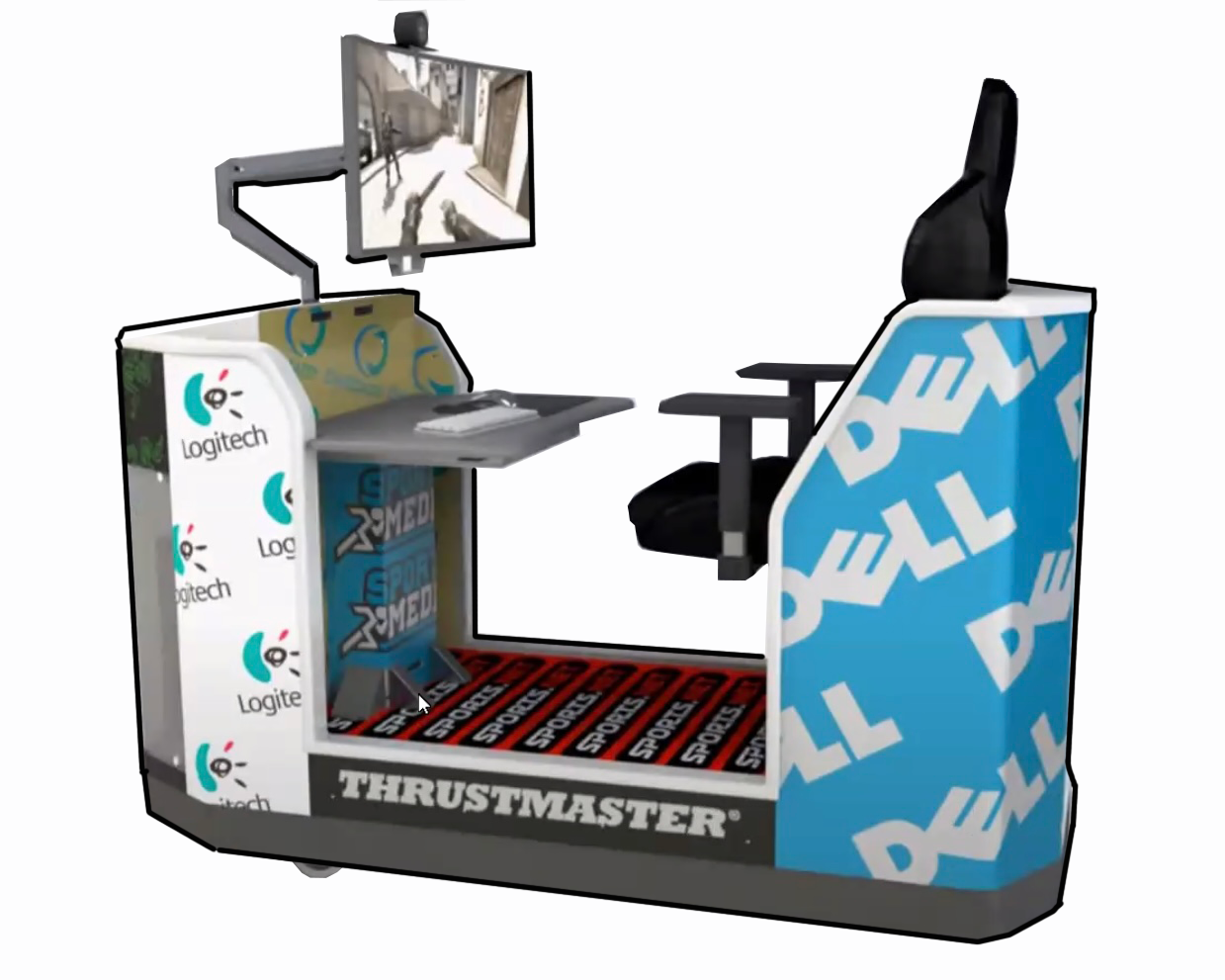
Consider how this applies to emerging opportunities in spaces like esports and educational technology. A branded esports pod at a high school event isn't just a gaming station. It's a content creation hub, a brand activation point, and a student engagement tool that generates footage, social content, and relationship-building opportunities with educational institutions. These installations become permanent fixtures that deliver value long after the initial event concludes.
Stage Three: Post-Event Asset Development
Most organizations treat post-event activities as an afterthought. Send a thank-you email, share a few photos, maybe post a highlight reel. Integrated production treats this phase as where the real business value begins.
Your raw event footage becomes a content library. Keynote presentations transform into thought leadership video series. Panel discussions become podcast episodes. Networking moments become social proof for future events. Workshop sessions turn into educational resources or lead magnets.
This content gets distributed across multiple platforms, each optimized for its specific audience. LinkedIn gets professional insights and business outcomes. Instagram receives behind-the-scenes moments and attendee testimonials. YouTube hosts full sessions for on-demand viewing. Your website features case studies and success stories.
The data collected during your event feeds continuous improvement. Which sessions drew the largest audiences? What content generated the most engagement? Which sponsor activations drove measurable results? These insights inform your next event while the current one continues working for your business.
Essential Components That Drive Success
Technical Excellence as a Business Strategy
Audio and visual production quality directly impacts your content's shelf life. Poor lighting or muddy audio might work for a live audience that values the in-person experience, but that same content becomes unusable for post-event distribution.
Invest in broadcast-quality capture from the start. Multiple camera angles provide editing flexibility. Professional audio mixing ensures every word remains clear. Proper lighting makes your speakers look professional on screen rather than washed out or shadowy.
Technical teams should run complete dress rehearsals that stress-test every system under real-world conditions. Test not just the equipment but the full workflow from capture through post-production delivery. Identify bottlenecks before they impact your timeline.

Adaptive Content for Multiple Audiences
Your in-person attendees experience your event one way. Virtual participants need a completely different approach. Post-event content consumers represent a third distinct audience with unique needs and preferences.
Design your presentations to work across all three contexts. Slides should remain readable on phone screens, not just projection screens. Speakers should avoid references that only make sense to people physically present in the room. Interactive elements need digital equivalents for remote participants.
This multi-audience thinking extends beyond the live moment. When repurposing content afterward, consider how each platform's users consume information. A 45-minute keynote might work as-is on YouTube but needs breaking into 3-minute segments for social media. Presentation slides might need redesigning for infographics or carousel posts.
Real-Time Monitoring and Contingency Planning
Hope isn't a strategy when technical issues can derail months of planning. Integrated production builds redundancy into every critical system. Backup internet connections, duplicate recording setups, alternative audio sources, and replacement equipment standing ready.
Real-time monitoring catches problems before they escalate. Someone watches audio levels constantly. Another person monitors video feeds from all cameras. A third tracks virtual attendee experience and connection quality. When issues arise, pre-established escalation procedures kick in immediately.
Turning Your Events Into Business Assets
The integrated approach transforms how you think about event ROI. Instead of measuring success solely by attendance and immediate revenue, you track ongoing engagement metrics, content performance across platforms, lead generation from recorded sessions, and relationship development that extends for months.
Educational institutions discover that a single event creates semester-long engagement opportunities with students and sponsors. Corporate organizations find that event content drives qualified leads at a fraction of typical marketing costs. Entertainment and sports properties build year-round fan engagement from seasonal events.
These outcomes don't happen accidentally. They result from strategic planning that views every event element through the lens of long-term value creation.
Getting Started
Transforming your event production approach starts with asking different questions. Instead of "What venue can hold our expected attendance?" ask "What space gives us the best content creation opportunities?" Rather than "How do we fill seats?" consider "How do we create an experience worth sharing?"
Partner with teams that understand integrated production as a business strategy, not just a technical service. Look for expertise across media production, strategic consulting, and post-event content development. The right partners help you identify opportunities you didn't know existed while executing flawlessly on the fundamentals.
Your next event represents far more potential than a single day on the calendar. With integrated production, it becomes a strategic asset that delivers value long into the future.
Ready to transform your events into long-term business assets? The team at Dakdan Worldwide brings strategic media production, consulting expertise, and technical excellence to organizations across entertainment, sports, education, and corporate sectors. Contact Dan Kost directly at info@dakdan.com or call +1 (970) 578-4652 to discuss how integrated event production can drive measurable results for your organization. Learn more about our comprehensive solutions at dakdan.com.