
FOR IMMEDIATE RELEASE
Colorado, USA – The sports marketing landscape is experiencing a fundamental shift. While traditional agencies continue offering fragmented services across disconnected teams, forward-thinking organizations are proving that integration isn't just a buzzword – it's the competitive advantage brands need to survive.
The Problem With Traditional Sports Marketing
Traditional sports marketing agencies operate in silos. You hire one firm for sponsorship activation, another for media buying, a third for content production, and maybe a fourth for digital strategy. Each team works independently, reports to different stakeholders, and measures success using different metrics.
The result? Disjointed campaigns with unclear ROI, duplicated efforts, and brands spending more time managing vendors than actually growing their business.
This fragmented approach made sense two decades ago when specialization was the answer to complexity. But in an era where technology connects everything, where consumer behavior shifts overnight, and where data drives every decision, the old model is breaking down.
How Integration Changes Everything
Dakdan Worldwide operates 97+ companies organized into 14 integrated divisions spanning sports marketing, entertainment, media production, technology development, and workforce training. Rather than offering disconnected services, the entire ecosystem works together under unified infrastructure and shared objectives.

Here's what that looks like in practice. When a brand partners with Dakdan for sports marketing, they're not just getting access to stadium signage or sponsorship deals. They're tapping into a complete system that includes media production capabilities, technology platforms, educational partnerships, and workforce development programs – all working toward the same revenue goals.
Sportrons handles implied sponsorship strategies, associating brands with sports properties at significantly lower costs than traditional naming rights. AAAA Sports manages partnerships across 175+ minor league baseball ballparks nationwide. Sports Media Inc. provides consulting and licensing services. But these aren't separate companies competing for attention – they're integrated components of a larger growth system.
The Technology Advantage
Integration only works when it's powered by the right technology. Dakdan's approach combines physical assets with digital infrastructure to create sponsorship opportunities that traditional agencies can't match.
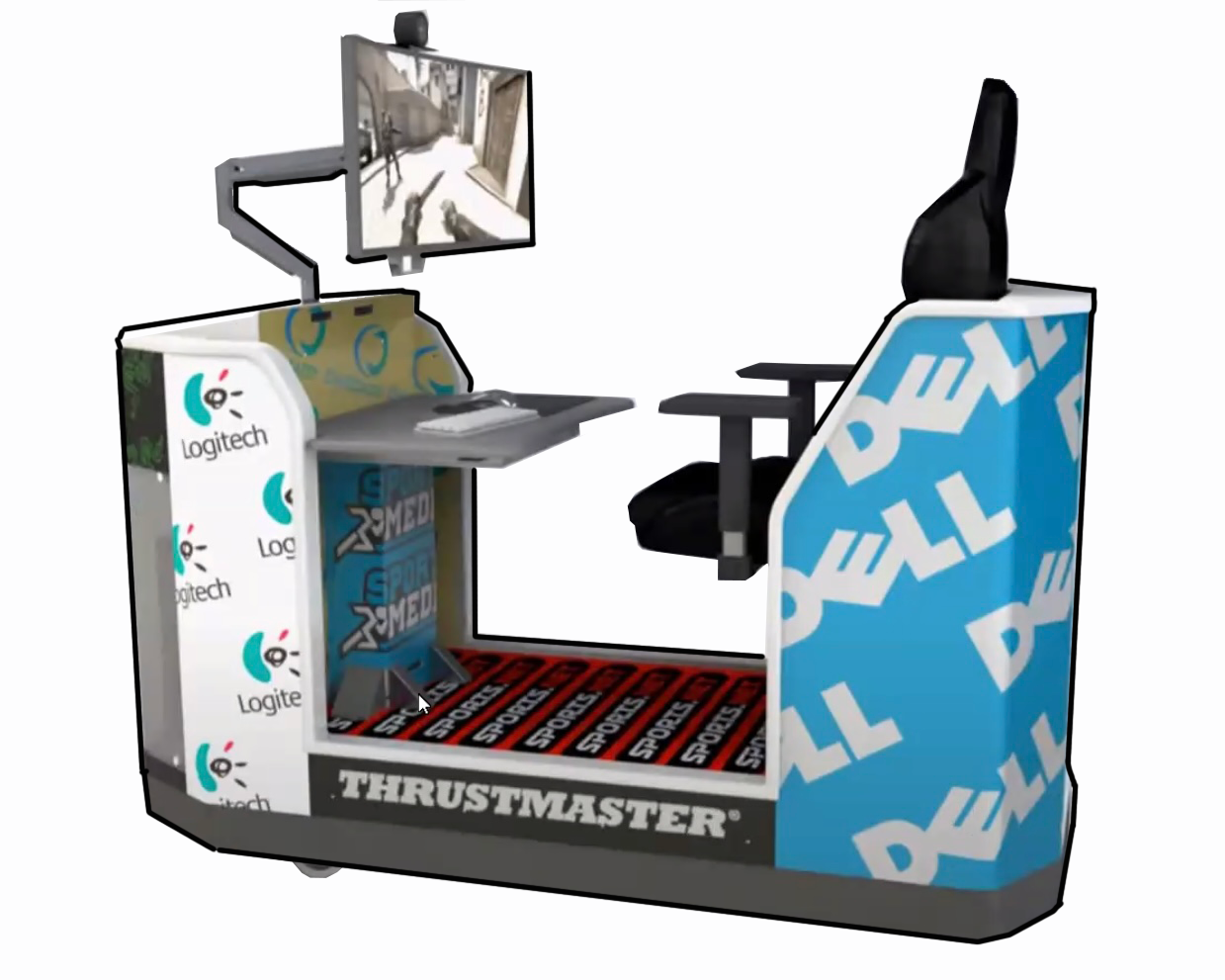
Consider the esports gaming pods being deployed in high schools across the country. These aren't just gaming setups – they're integrated brand environments combining education, entertainment, and sponsorship activation. Students learn competitive gaming skills, digital media production, and technology fundamentals while brands gain authentic access to highly engaged audiences.
The pods feature prominent brand placements for technology partners like Dell, Logitech, and Thrustmaster, creating natural touchpoints between students and sponsor products. But the integration goes deeper. The same technology platform powering these educational experiences also generates data, creates content opportunities, and opens pathways for workforce development partnerships.
Traditional agencies would separate these elements: education goes to one department, sponsorship to another, content production to a third. Integration means they work together from day one.
Real Solutions for Real Challenges
Brands working with traditional sports marketing agencies face predictable problems. Campaigns launch without clear connections to business outcomes. Creative teams don't talk to analytics teams. Sponsorship dollars flow out while actual impact remains unclear.

Dakdan's integrated model addresses these challenges through unified growth systems tied directly to revenue metrics. Every campaign, partnership, and activation connects to measurable business objectives. Teams share infrastructure, data, and insights rather than working in isolated departments.
This approach transforms how brands think about sports marketing investment. Instead of buying individual services, they're accessing an ecosystem designed to drive growth. The sponsorship deal includes media production. The content strategy connects to technology platforms. The educational partnerships create workforce pipelines. Everything reinforces everything else.
The Educational Innovation Opportunity
One of the most powerful applications of integrated sports marketing lives at the intersection of education and technology. High schools need modern resources to prepare students for digital careers. Brands need authentic ways to reach younger demographics. Traditional approaches treat these as separate challenges requiring separate solutions.

Integration reveals the opportunity. By placing esports pods in educational environments, schools gain access to cutting-edge technology and curriculum support. Students develop valuable skills in gaming, media production, and digital communication. Sponsors build genuine relationships with engaged audiences in trusted settings.
The same integrated approach extends across Dakdan's family of companies. Media production capabilities support educational content. Technology platforms enable remote learning and competition. Consulting services help schools maximize program value. Workforce development initiatives create career pathways for graduates.
Traditional agencies would struggle to coordinate these moving parts across multiple vendors. Integration makes it systematic.
Why This Model Works Now
Several trends make integrated sports marketing more viable today than ever before:
Technology maturity – Cloud platforms, data analytics, and digital infrastructure make it possible to coordinate complex operations across multiple divisions without losing efficiency.
Consumer expectations – Audiences expect seamless brand experiences across channels. Fragmented campaigns feel disjointed and unprofessional.
Attribution demands – CFOs want clear connections between marketing spend and business results. Integration makes measurement and attribution significantly easier.
Speed requirements – Markets move fast. Brands need partners who can execute quickly without endless coordination meetings between disconnected vendors.
Integration addresses all these factors simultaneously. When teams share infrastructure and objectives, they move faster, measure better, and deliver more cohesive experiences.
The Future Is Already Here
The question isn't whether traditional sports marketing agencies are dead – it's whether they're willing to evolve. Some will successfully transition to integrated models. Others will continue offering specialized services for specific needs. But the competitive advantage belongs to organizations that can deliver complete solutions through unified systems.

Dakdan's family of companies demonstrates what's possible when integration drives strategy from the ground up. From esports pods in classrooms to sponsorship deals in minor league stadiums, from media production to technology development, the ecosystem creates value traditional approaches can't match.
For brands exploring sports marketing partnerships, the choice is increasingly clear. Work with fragmented specialists and spend valuable time coordinating vendors, or partner with integrated systems designed to drive measurable growth from day one.
The future of sports marketing isn't about choosing between specialization and integration. It's about recognizing that in a connected world, integration is specialization's next evolution.
Ready to explore how integrated sports marketing can drive growth for your brand? Connect with Dakdan Worldwide to discover partnership opportunities across our family of companies.
Contact: Dan Kost
Email: Dan@dakdan.com | info@dakdan.com
Phone: (970) 436-0580 | +1 (970) 578-4652
Web: dakdan.com
Learn more about our esports pods, explore our press room, or contact our team to start the conversation.