

FOR IMMEDIATE RELEASE
Colorado, USA – The sports marketing landscape is shifting faster than most agencies can pivot. While traditional playbooks still focus on static sponsorships and broad demographic targeting, the winning strategies now revolve around AI-enabled experiences, real-time engagement, and fluid fan journeys that blend digital and physical touchpoints seamlessly.
Dakdan Worldwide, a strategic media holding and consulting firm specializing in sports, entertainment, and digital innovation, has identified seven critical digital media strategies that forward-thinking sports organizations are leveraging to stay ahead.
1. Agentic AI Shopping Intelligence: Beyond Static Recommendations
The era of basic product recommendation engines is over. Leading sports marketing agencies are deploying AI shopping agents that function as trusted advisors, understanding athlete and fan intent at a contextual level that was impossible just a year ago.
These intelligent assistants decode patterns across gait analysis, injury history, workout goals, and brand preferences to deliver personalized guidance available 24/7 across web and mobile platforms. Rather than scrolling through endless product catalogs, fans and athletes engage in conversation-led shopping experiences that reduce returns and increase conversions, particularly in technical footwear and performance gear categories.
For sports organizations and brands, this represents a fundamental shift from pushing products to facilitating intelligent discovery. The technology is here. The question is whether your marketing strategy has caught up.

2. True Omnichannel Integration: Unifying the Fragmented Fan Journey
Nearly one-third of sporting goods purchases now begin or end digitally, but the real opportunity lies in understanding and supporting the complex hybrid behaviors fans exhibit throughout their buying journey.
The modern sports fan might research equipment on TikTok, test it in-store, compare pricing on mobile, order via app, and choose curbside pickup – all within a single transaction cycle. Winning agencies unify email, RCS messaging, mobile apps, and web experiences into one continuous journey, tracking and optimizing each touchpoint.
This integration extends beyond retail. Sports venues, ticketing platforms, merchandise sales, and fan engagement programs all benefit from treating digital and physical interactions as parts of a single, fluid experience rather than separate channels competing for attention.
3. Social-First Viewing as the Primary Distribution Channel
Seventy-four percent of sports fans now use social media to follow or watch sports content. This isn't supplementary viewing – it's often the first and primary way fans engage with their favorite teams, athletes, and sporting events.
Sports fandom erupts first on TikTok, Instagram Reels, and YouTube Shorts through training content, behind-the-scenes moments, highlight packages, and lifestyle posts. For brands and agencies, this requires a fundamental strategic shift from placement-based campaigns to participation-based strategies rooted in shareability and authentic athlete moments.
The content that performs best isn't highly produced highlight reels. It's raw, authentic, and shareable moments that fans want to participate in, not just consume. Smart agencies are building content strategies around this reality rather than treating social platforms as secondary distribution channels for broadcast content.

4. Real-Time Impulse Commerce Integration: Capitalizing on Emotional Peaks
Brands are learning to time offers to match emotional peaks during live competition. A last-minute goal, a game-winning shot, or a championship victory can trigger impulse purchases as quickly as it sparks social media reactions.
This requires infrastructure that links real-time game moments to themed merchandise drops, limited-time offers, food and beverage promotions, and influencer-led product launches. The technology exists. The challenge is organizational – breaking down silos between marketing, e-commerce, and event operations to activate opportunities in real time.
Sports venues and teams that master this approach create new revenue streams while deepening fan engagement at the exact moments when emotional connection peaks.
5. Local Streaming and Regional Media Rights Strategy
While national media deals capture headlines, viewing audiences demonstrate deeper engagement with local broadcasts, showing longer watch times and higher cognitive connection to regional content.
The NBA's strategic shift toward local media rights signals a broader trend. Industry projections suggest that nearly half of fans may soon stream local games via digital platforms rather than traditional cable, creating personalized regional opportunities that agencies must learn to activate.
This localization trend extends beyond broadcast rights. Regional sponsorships, geo-targeted digital campaigns, and community-focused content strategies are becoming more valuable as national audiences fragment into highly engaged local viewing communities.
6. AI Optimization for Ticketing and Event Discovery
The transition from search engine optimization to AI optimization is reshaping how fans discover and purchase tickets. Rather than searching and filtering through thousands of options, fans increasingly want to prompt their way to the perfect seats through conversational AI experiences.
Agencies building AI-enabled ticketing workflows allow fans to describe their preferences, budget, and priorities in natural language, then receive curated recommendations that match their specific needs. This ChatGPT-style checkout experience represents the emerging infrastructure for event discovery and ticketing commerce.
Major platforms are already partnering with AI providers to enable these experiences. The early movers in sports marketing who build strategies around AI-optimized discovery will gain significant advantages in ticket sales and fan acquisition.
7. Digital Fitness Competition Ecosystems: Performance Tracking Meets Community Engagement
Fitness competitions like HYROX are exploding with digital referees tracking performance metrics in real-time. This creates entirely new brand activation opportunities through integrated challenges, performance tracking leaderboards, and community-driven engagement that transcends traditional event sponsorship.
These digital fitness ecosystems blur the lines between competition, training, social engagement, and commerce. Athletes track progress, share achievements, compete virtually with peers worldwide, and discover products that enhance performance – all within integrated digital experiences.
For sports marketing agencies, this represents a shift from event-based sponsorships to ecosystem partnerships that engage audiences year-round through technology-enabled competition and community building.

The Strategic Imperative: Behavioral Signals Over Predetermined Campaigns
The common thread connecting these seven strategies is simple: agencies operating with legacy playbooks miss that modern sports marketing demands fluid, AI-enabled experiences where athletes, fans, and creators shape journeys through their behavioral signals rather than responding to predetermined campaigns pushed by brands.
This shift requires different technology infrastructure, different organizational structures, and fundamentally different strategic thinking. It requires treating digital innovation not as a channel or tactic, but as the foundation of how sports marketing operates.
How Dakdan Worldwide Helps Organizations Navigate Digital Innovation
At Dakdan Worldwide, we specialize in helping sports organizations, venues, teams, and brands navigate these complex digital transformations. Our integrated approach combines strategic consulting, media production, technology implementation, and ongoing optimization to ensure your organization doesn't just adopt new technologies but leverages them for measurable competitive advantage.
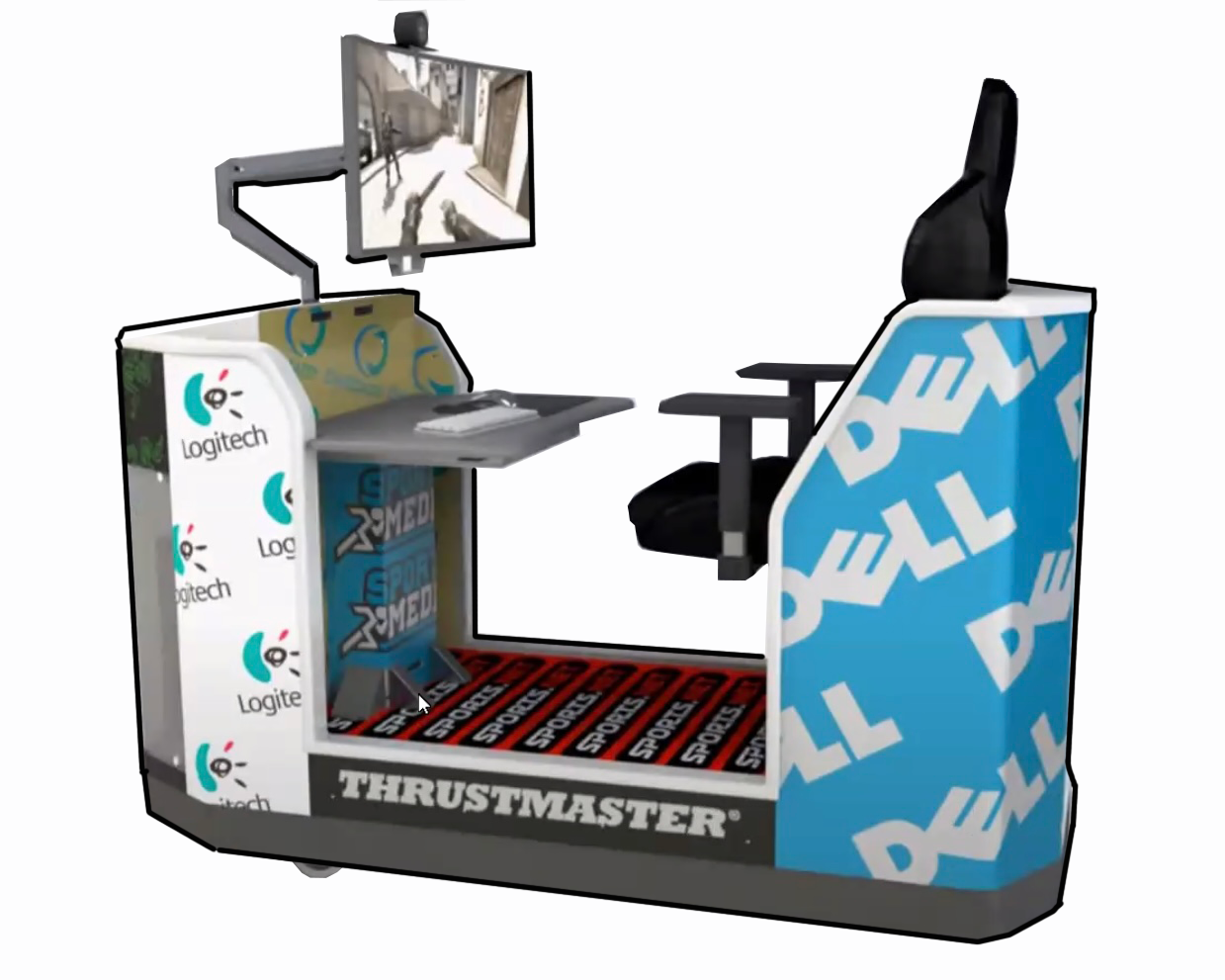
From esports pods in high schools creating sponsorship opportunities to reach next-generation athletes, to comprehensive digital media strategies that unify fan experiences across every touchpoint, we help forward-thinking organizations turn emerging trends into sustainable growth strategies.
Ready to discuss how these digital media innovations apply to your organization?
Contact Dakdan Worldwide:
Dan Kost, CEO
Email: info@dakdan.com
Phone: +1 (970) 578-4652
Website: https://dakdan.com
Explore our latest insights at press.dakdan.com or learn more about career opportunities at dakdan.com/career.
Connect with us on social media to stay updated on the latest sports marketing innovations and digital transformation strategies shaping the industry.
About Dakdan Worldwide:
Dakdan Worldwide is a strategic media holding and consulting firm operating across sports, entertainment, advertising, esports, transportation, and experiential marketing. Based in Colorado, USA, Dakdan specializes in digital innovation, brand partnerships, content production, and technology-enabled fan experiences that drive measurable results for forward-thinking organizations.