
Managing media assets in today's fast-paced digital world is a lot like coaching a professional sports team. You can have the most talented players in the league, but if they are sitting on the bench without a clear strategy, they are not going to win any championships. In the world of media, those players are your videos, your data, and your intellectual property. At Dakdan Worldwide, we have spent decades refining how we manage over $6.7 billion in media assets. We have learned that the difference between a cost center and a revenue engine is a structured framework.
The goal is simple. You want to take your existing content, whether it is live sports footage, educational simulations, or advertising placements, and turn it into a consistent stream of revenue. This framework is designed to help you organize, monetize, and scale your media presence effectively.
Pillar 1: The Business and Rights Foundation
Every successful media asset management (MAM) strategy starts with a clear understanding of what you own. You cannot sell what you do not have the rights to. This is where many companies get stuck. They have massive libraries of content but lack the legal clarity to distribute it across different platforms.
Start by defining your revenue objectives. Are you looking to license your footage to other broadcasters? Do you want to build a branded content series for sponsors? Or are you focused on using your assets to drive ticket and merchandise sales? Once you know the "why," you can map out your territorial and platform rights. This foundation ensures that every asset is ready to be put to work without legal hurdles slowing you down.
Pillar 2: Asset Readiness and Educational Integration
Once you have your rights in order, the next step is making your assets findable. A library you cannot search is just a digital graveyard. This is where rich metadata and AI tagging come into play. By tagging your content by player, event, sponsor, and even emotion, you create a searchable catalog of inventory.
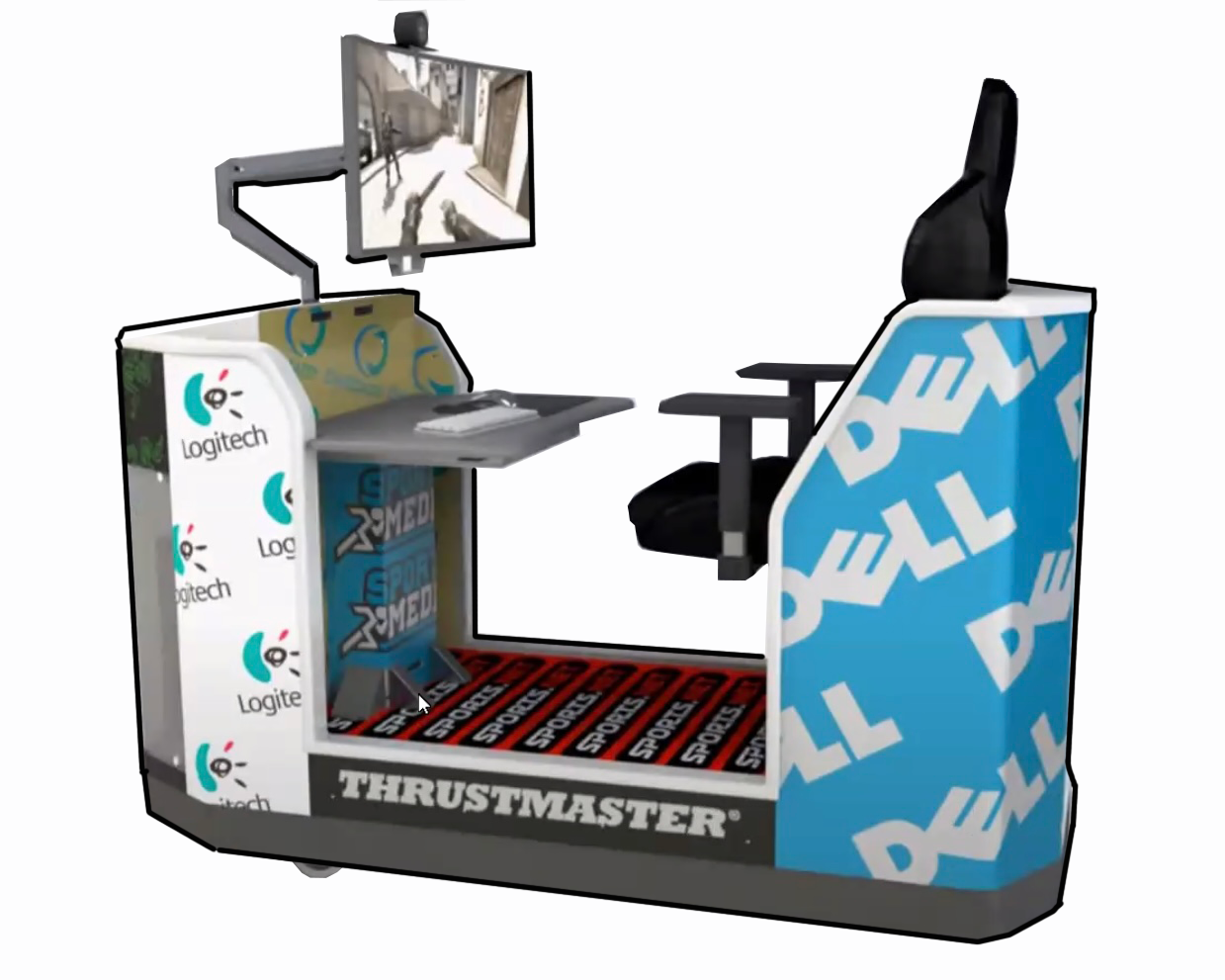
At Dakdan Worldwide, we take this a step further by integrating educational assets. We believe that simulation is the future of education. Our esports pods in high schools are a perfect example of this. These pods are not just for gaming. They are high-tech learning environments where students engage with complex systems. By managing these educational simulations as high-value media assets, we create unique opportunities for students to learn while providing brands with a direct way to support educational growth.
Pillar 3: Monetization Channels and Sponsorship Opportunities
Now that your assets are organized, it is time to connect them to revenue-bearing channels. There are several ways to do this, but sponsorship remains one of the most powerful.
For brands looking to reach the next generation, high school esports and simulation programs offer an incredible entry point. Sponsors can brand the digital environments within a flight simulator or have their logos prominently displayed on esports pod hardware. This goes beyond traditional advertising. It is about being part of the educational journey.
Beyond sponsorship, you can look at archive-based programming. Compiling "greatest moments" or creating documentaries from your historical footage can breathe new life into old assets. Digital out-of-home advertising, such as stadium placements, also plays a huge role in this pillar. By integrating live event branding with digital asset management, you can offer sponsors a multi-platform reach that is hard to ignore.

Pillar 4: Workflow and Automation
To make your revenue repeatable, you need to industrialize your process. You cannot rely on manual tasks to manage thousands of hours of video or complex simulation data. Standardized workflows ensure that content moves seamlessly from ingestion to distribution.
Automation tools can handle the heavy lifting. They can check rights in real-time, apply sponsor-specific branding to clips, and format content for different platforms like Instagram, LinkedIn, or broadcast TV. This efficiency reduces costs and allows your team to focus on the creative strategy rather than technical bottlenecks. When your workflow is optimized, you can respond to trending moments in minutes, maximizing the reach and revenue of every asset.

Pillar 5: Analytics and Content Intelligence
The final piece of the puzzle is data. You need to know which assets are actually performing. Content intelligence allows you to see which videos are driving engagement, which simulations are most effective for learning, and which sponsorship placements are delivering the best ROI.
By tracking asset-level performance, you can identify high-performers and repurpose them. If a specific clip from an esports tournament goes viral, that is a signal to create more content in that style. This creates a closed-loop system where your data informs your production strategy. You stop guessing and start investing in the content that you know will drive growth.

Building the Future of Media
The transition from a standard media library to a revenue-generating ecosystem does not happen overnight. It requires a commitment to the framework and a willingness to innovate. By focusing on asset readiness, educational integration, and strategic sponsorship, you can unlock the true value of your global assets.
At Dakdan Worldwide, we are proud to be at the forefront of this evolution. Whether we are managing billions in media assets or installing the next generation of esports pods in high schools, our mission is to turn every opportunity into a success story.
If you are ready to transform your media assets and explore the world of educational simulation and sponsorship, we are here to guide you. Our deep industry experience since 1980 and our global reach make us the ideal partner for your next big project.
Contact Dakdan Worldwide today to learn more about our media and consulting solutions.
Website: dakdan.com
Email: info@dakdan.com
Phone: +1 (970) 578-4652
Social Media: LinkedIn | Facebook | Instagram